
 Worksheets
T7- T8 cell organization and transport review
Total questions: 56
Worksheet time: 29mins
What kind of transport does not require energy?
Active
Vacuole
Passive
Which of the following terms refers to a cell membrane that allows some molecules to pass through while blocking other molecules?
diffusion
Selectively permeable
osmosis
Passively permeable

What type of transport moves molecules from areas of lower concentration to areas of higher concentration?
Passive
Active
Which term refers to the movement of water through cell membranes?
Diffusion
vacuole
Active transport
Osmosis
The diffusion of water through a permeable membrane is called
diffusion
active transport
osmosis
science
The movement of molecules from a high concentration area to low concentration area.
Diffusion
Osmosis
Active Transport
Passive Transport
Some molecules can move through the membrane while others cannot.
Fully Permeable
Selective Permeable
Impermeable
Partially Permeable
If a cell has 10 water molecules inside itself and 10 in the fluid surrounding it, a state of ______________ have been reached
equilibrium
osmosis
active transport
diffusion
Veggies usually gain water weight in __________ water
fresh
salt
which of the following is osmosis
dew forming on the grass
a raisin swelling up in fresh water
perfume spreading out around a room
Which of the following is an example of diffusion?
perfume spreading out around a room
food coloring spreading out in water
oxygen going from the blood into cells
all of these are diffusion examples
Osmosis and diffusion naturally happen without the use of energy. They are both example of ___________.
passive transport
active transport

Type of cell that carries messages around the body
nerve cell
white blood cell
red blood cell

this picture shows molecules moving from where there are less of them to where there are more using energy. This is
active transport
passive transport

this organism is
unicellular
multicellular

a group of the same cells makes a(n) _______
organ
organ system
tissue

This organism does not have a nucleus or other membrane bound organelles. It is _________________
bacteria
unicellular
prokaryotic (has DNA but no nuclear memebrane)
all are correct

These are _____________________ cells
red blood cells
white blood cells
muscle cells

In the second picture what state has been reached?
equilibrium
osmosis
diffusion

If the red dots are oxygen molecules, what process is at play here?
osmosis
diffusion
active transport

Type of cell
muscle
red blood cell
white blood cell
fat cell

which term is missing cell, tissue, organ, _________ ,organism
organ system
organ organization

These unicellular organisms have to do all jobs by themselves. What advantage is there to being multicellular?
multicellular organisms have cells that do specific jobs
multicellular organisms are made of unicellular organisms
there is not an advantage to being multicellular

Osmosis is the diffusion of ___________ into and out of cells.
water
knowledge
Sugar
salt
Cell membranes are said to be selectively permeable. This means they
allow all molecules to enter/leave cells
only let certain molecules enter/leave cells
allow no molecules to enter/leave the cell

This cell shown eating bacteria is a(n)
red blood cell
white blood cell

Group of the same cells make a(n) _________
cell
tissue
organ
organ system

red blood cells
carry oxygen
eat invading bacteria
transmit messages
store excess glucose
which order is correct?
cell, organ, organ system, tissue, organism
cell , organ, tissue, organ system, organism
cell, tissue ,organ, organ system, organism

The structure of a cell is usually related to the ________ of a cell
function (job)
color
size

active or passive transport?
active
passive

These leaf cells, in which the cytoplasm has shrunk and pulled away from the cell walls is probably in ________.
salt water
fresh water

What level of organization is this?
cell
tissue
organ
organ system

Level or organization
cell
tissue
organ
organ system

Level of organization?
cell
tissue
organ
organ system
If I use a play sand stainer and I put sand and rocks in it, how is this like the cell memrane?
it is semi-permeable
sand will go through but rocks will not
the cell membrane only lets certain things through
all of these are correct
If I use a play sand strainer and run sand and rock through it, I notice that sand goes through but rocks do not. This is most like?
metabolism
passive transport
osmosis
cell reprduction
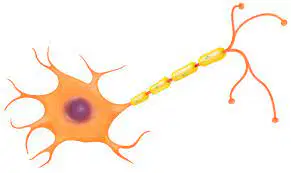
This nerve cell shows that ______________
form fits function (its shape is related to what it does)
these cells carry oxygen
these cells produce energy
These cells asre only in plants
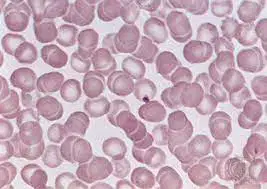
These red blood cells are small flexible dics that lack a nucleus in mammals. This helps show ____________
These cells are only present in plants
form fits function (the way the look is related to what they do)
these cells contract to help us move
these cells are some of the largest in the human body

This protist (paramecium) is _________
has tissues and organs
multicellular
unicellular
is made of organ systems
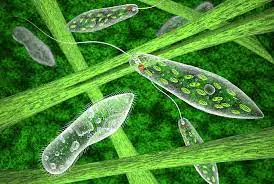
These euglena are __________
they move with flagella (whip like tails)
unicellular
photosynthetic
all of these are corrrect
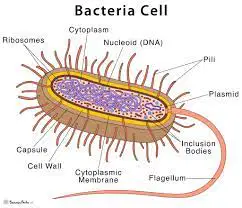
This cell is ___________
a bacterium
unicellular
prokaryotic (has DNA but no nuclear membrane)
all of these are correct
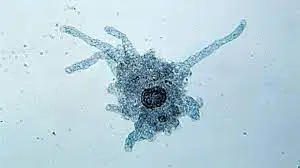
This amoeba is ___________
unicellular
multicellular
composed of tissues
composed or organs

This diagram illustrates ___________
molecules move from areas of low concentration to high concentration
Molecules do not move in liquids and gasses
molecules spread out in order to reach equilibrium
if molecules need energy to move then we call it passive transport
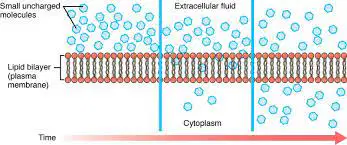
This diagram shows water moving into a cell. Which of these is true?
this is an example of osmosis
this shows passive transport
the cell membrane is semi-permeable
all of these are true
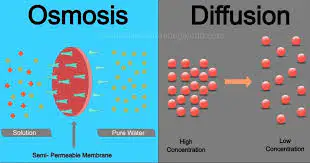
The major difference between osmosis and diffusion is that ______
diffusion only occurs with water molecules
diffusion is passive transport while osmosis is a type of active transport
there is no difference between osmosis and diffusion
diffusion can be any molecules while osmosis is the diffusion of water
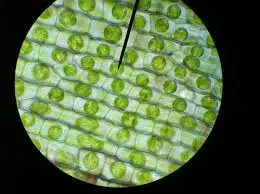
These freshwater leaf cells are most likely __________
in salt water
in freshwater
are normal healthy cells
The green bubble in the cells is the nucleus
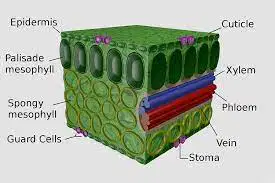
This diagram shows part of a leaf. This level of organization shows multiple ____________
tissues
organs
organ systems
organisms
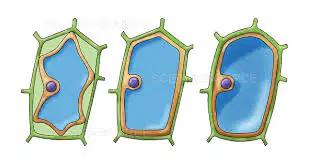
This diagram illustrates _________
osmosis
passive transport
cell membranes allow water in and out of cells
all of these are correct
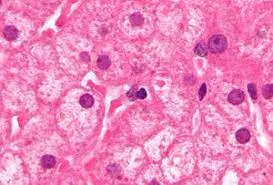
This diagram shows several liver cells. This level of organization is ____
cell
tissue
organ
organ system
In general which of these describe unicellular organisms?
typically a short lifespan
reproduce asexually (without a mate)
are microscopic
all of these are correct
Which lists contains only unicellular organisms?
bacteria, protists (like amoeba), mushrooms
bacteria, protists (like amoeba) and worms
bacteria, protists (like amoeba) and trees
protists (like amoeba) and bacteria
After we eat food, we break it down during the process of digestion. The nutrients are delivered around the body by your blood. This demonstrates _____
many systems work together within an organism
the digestive system moves nutrients to all parts of the body
All organs in humans are part of the digestive system
Many organs work together to form a system

