
 Worksheets
Food and Nutrition
Total questions: 59
Worksheet time: 43mins
Which vitamin helps to maintain good eyesight including night vision and colour recognition?
a. vitamin A
b. vitamin B
c. vitamin C
d. all of the above
This vitamin is important for keeping body tissues, such as gums and muscles in good shape. It also helps heal cuts and grazes. This vitamin also helps your body resist infections such as colds and flu.
a. vitamin A
b.vitamin C
c. vitamin D
d. vitamin B
Which if the following foods are rich in Vitamin A?
a. milk fortified with vitamin A
b. liver
c. orange fruits and vegetables (e.g. carrots, sweet potatoes)
d. all of the above
Which of the following foods are a good source of Vitamin B?
a. whole grains, such as wheat and oats
b. fish and seafood
c. eggs , dairy products, like milk and yogurt
d.all the above
Can you identify this Vitamin? This vitamin maintains a lot of your body's tissues, like the ones in your eyes, skin and liver. It protects your lungs from becoming damaged by polluted air and is important for the formation of red blood cells.
a. vitamin K
b. vitamin E
c. vitamin C
d. vitamin A
I am a fruit.
I am very sour.
I am yellow.
I grow on a tree.
(a)
I am a vegetable.
I grow in the ground.
I can be brown, white or red.
I might make you cry.
(a)
Which vitamin is required for strong bone health?
a. vitamin B
b. vitamin C
c. vitamin D
d. vitamin K
Vitamin C is present in:
a. tomatoes
b. papaya
c. guava
d. all of the above
Why are vitamins important for the human body?
They help to maintain healthy teeth, bones and tissues.
They help increase the amount of exercise needed
They help the body gain weight and become overweight
They help increase the amount of sleep needed
Organic compounds that control several body functions are known as (e.g. A, B, C)
Carbohydrates
Metabolism
Vitamins
Digestion

True or False
The skin/peel of the fruit/vegetable contains the most amount of fibre, which is needed for a healthy digestive system.
True
False
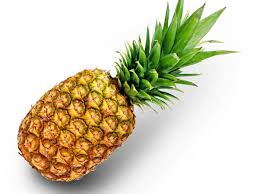
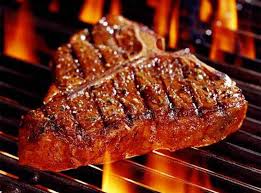
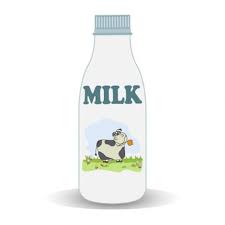
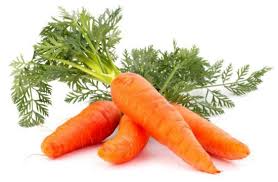
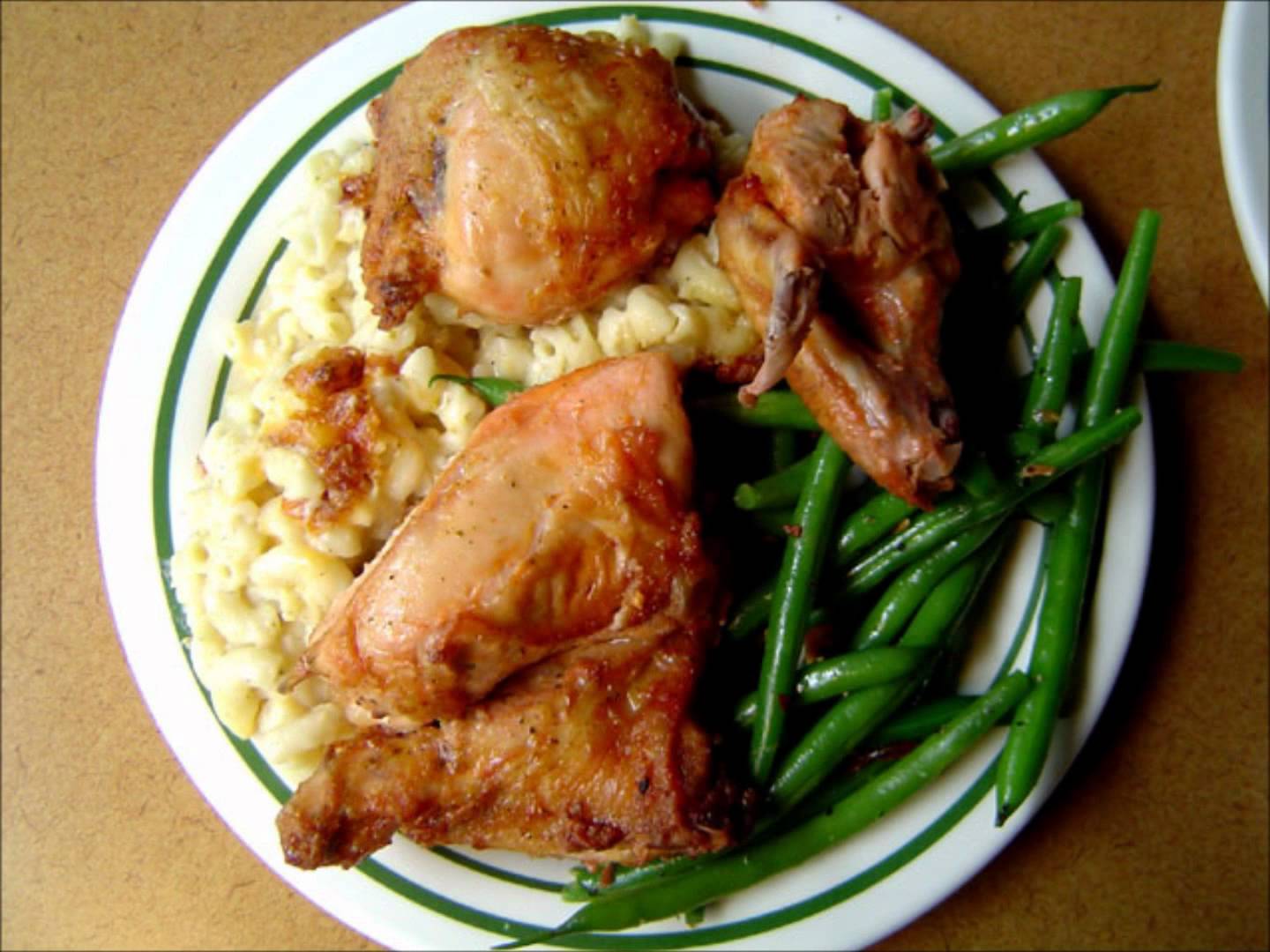
What food group is missing from this plate?
Grains
Fruits
Dairy
Protein
We need _____________ for our body to grow well and stay healthy.
teeth
nutrients
food
sleep
Our body uses _____________ to carry out daily activities.
energy
hands
nutrients
protein
What nutrients do different types of food have?
carbohydrates and vitamins
protein and carbohydrates
fats, vitamins and minerals
fats, vitamins and minerals, protein, carbohydrates
__________________ are energy giving foods.
minerals
fats
carbohydrates
protein
What nutrient keeps our body warm?
fat
protein
fruits and vegetables
carbohydrates
Tick all foods that belong to the Protein Food Group.


Water makes up more than half of our body.
True
False
How much water does our body have?
50%
90%
75%
100%
Tick all the foods that belong to the Carbohydrates Food Group.


A _________________ has all the nutrients that our body needs, in the right amounts.
balanced diet
meal
diet
breakfast
What are the 4 C's of food hygiene?
Cooking, cleaning, camping, coughing
Cooking, camping, chilling, chetflix
Cooking, chilling, cleaning, cross contamination
Cooking, cross contaminate, coughing, concrete
If you spill raw meat or eggs, you have to clean it straight away.
True
False
Areas that we need to pay attention to when cleaning include ...
chopping boards, utensils, cupboard doors, fridge doors
floors, bins, knives, kettles
ovens, chopping boards, bins, cake stands
knives, chopping boards, bins, plates
When should we clean our hands?
Before we start cooking and when we finish.
Before we start cooking and that's it.
Before we start cooking and when we use raw food.
Before we start cooking, after touching raw meat and eggs, after going to the toilet.
It's ok to have dirty clothes in the kitchen, they don't touch the food so it's alright.
True
False
It's ok to use a chopping board for meat and then for other food, without cleaning the chopping board.
True
False
Cross contamination is when ...
Bacteria from one source is transferred to food.
Fungus from bread mould is put in your mouth.
Microbiobials from raw meat are ingested by people.
People handle raw meat and then handle other foods after washing their hands.
Most diet-related diseases can be linked to: (Choose 3)
Too much saturated fat
Not eating enough sugar
Too much salt
Not eating enough fibre
Leading an active lifestyle
What does CHD stand for?
Cardiovascular disease
Coronary heart disease
Carbohydrate health disorder

________ ________ is when energy input (calories consumed through food and drink) is equal to energy output (calories used by the body for our energy requirements).
Portion control
Energy balance
Balanced diet
Exercise
Which dinner would you recommend for someone who is obese and trying to reach a healthy weight?
Chinese sweet and sour chicken, egg fried rice and prawn crackers.
Homemade chicken and vegetable stirfry served with wholegrain rice.
The organ responsible for producing insulin is the...
Liver
Heart
Pancreas
Gallbladder

Which of these guidelines would you not recommend to someone who is trying to increase fibre intake in their diet.
Add nuts & seeds to home baking & breakfast cereals, e.g. chopped nuts added to crumble topping
Choose wholegrain cereals over white, refined cereals.
Add pulse vegetables to dishes, e.g. adding beans, peas & lentils to soups, stews & casseroles.
Remove the skins from fruit and vegetables before eating.

True or False: It is important to drink plenty of water if increasing your fibre intake.
True
False
Which on of these is not a common food allergy?
Nuts
Dairy
Broccoli
Eggs
True or False: People with allergies can share food.
False
True
If someone is allergic to milk, which item can they eat?
Juice
Ice cream
Cheese
Milk chocolate
What should you do if someone doesn't feel well after eating something?
Get an adult
Don't do anything
Ask them if they want to play
Tell them they are fine
How can we help our friends with food allergies?
Share our food with them.
Be kind and supportive.
Tease them for not being able to eat certain things.
Tell them their allergies aren't real.
Reactions to food vary from person to person.
True
False
Reactions to food vary from person to person.
True
False
Which are signs of an allergic reaction?
Swollen lips, tongue, or mouth
Red rash
Hard time breathing
All of the above
Which 4 foods are people most commonly allergic to?
Dairy, marshmallows, corn, and meat.
Mango, hot dogs, nuts, and potatoes.
Dairy, eggs, nuts, and fish.
Avocados, corn, apples, and coffee.

