
 Worksheets
Self-Study Ch 10-11
Total questions: 53
Worksheet time: 2hrs 46mins
Which of the following is NOT a characteristic of seed plants?
They have highly developed vascular tissue.
They can only survive in moist environments.
They use pollen to reproduce.
They use seeds to reproduce.
They have true roots, stems and leaves.
Pollen grains are tiny structures that contain cells that will become sperm cells.
True
False
A structure that contains a young plant in a protective coating is called _____________.
Spore
Seed
Sperm
Ovary

What is the name of the process shown in the picture?
Germation
Vegetation
Germisation
Germination
A seed will germinate ONLY when...
... it has absorbed enough water.
... it has produced enough food.
... it is put in some soil.
--- it is warmed enough.

The fruit in the picture is adapted for...
Dispersal by wind
Dispersal by animals
Dispersal by water
Mechanical dispersal
What is the function of stomata?
Stomata allow gases to enter and exit the leaf.
Stomata absorb water and minerals from the ground.
Stomata anchor the plant in the ground.
Stomata absorb sunlight for photosynthesis.
Which characteristics do all seed plants have in common? Check all that apply.
phloem
pollen
spores
xylem
seeds
Seedless vascular plants reproduce by...
Seeds
Spores
Pollen
Rhyzoid
Select all plant groups that are seedless vascular.
mosses
horsetails
hornworts
club mosses
ferns
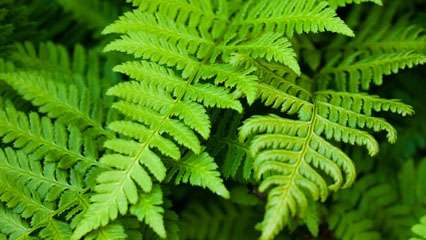
This is a...
fern
liverwort
hornwort
club moss
horsetail
Ferns produce spores in specialized structures called ______________.
fruiting bodies
seeds
spore cases
capsules
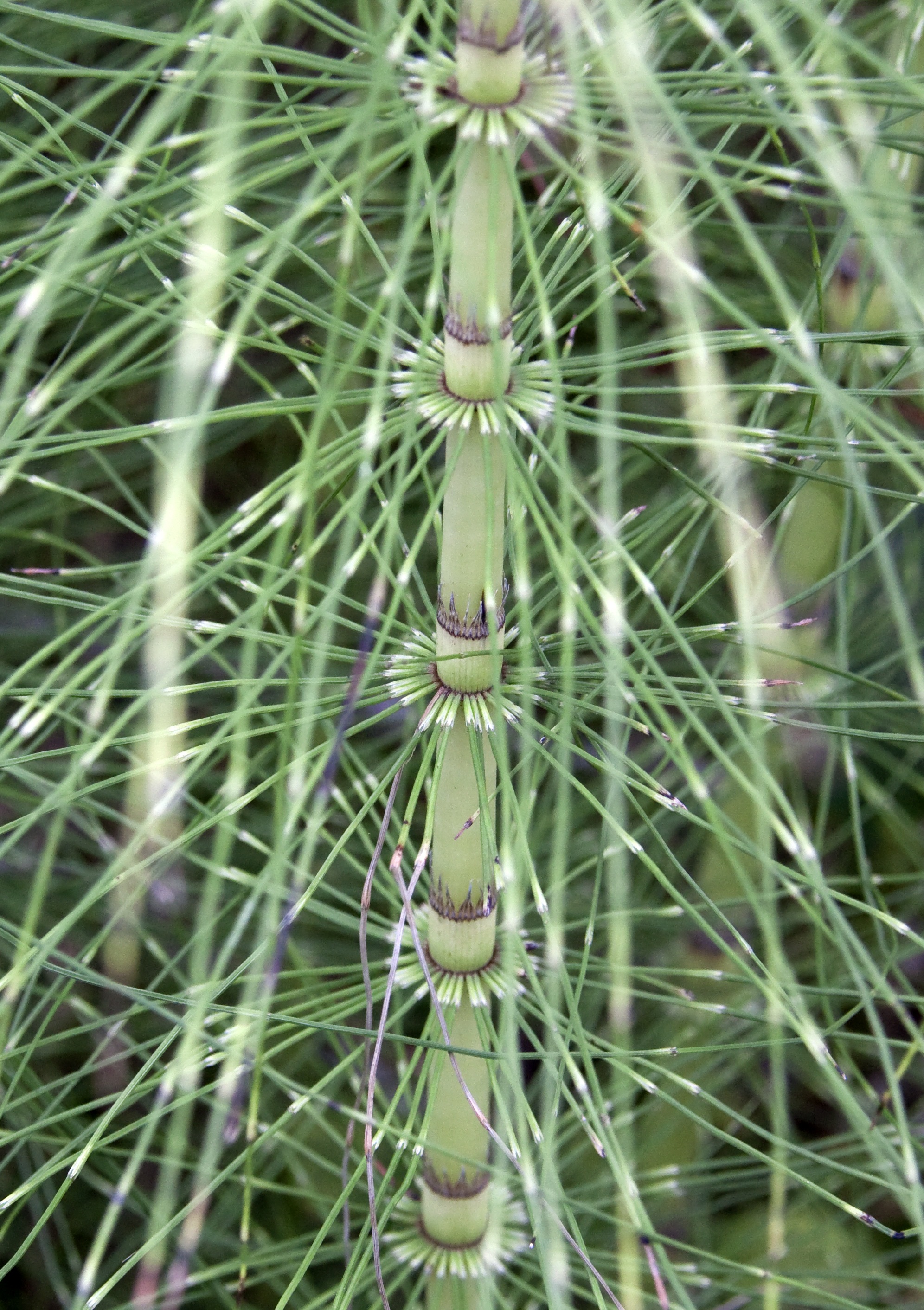
This is a...
fern
liverwort
hornwort
club moss
horsetail
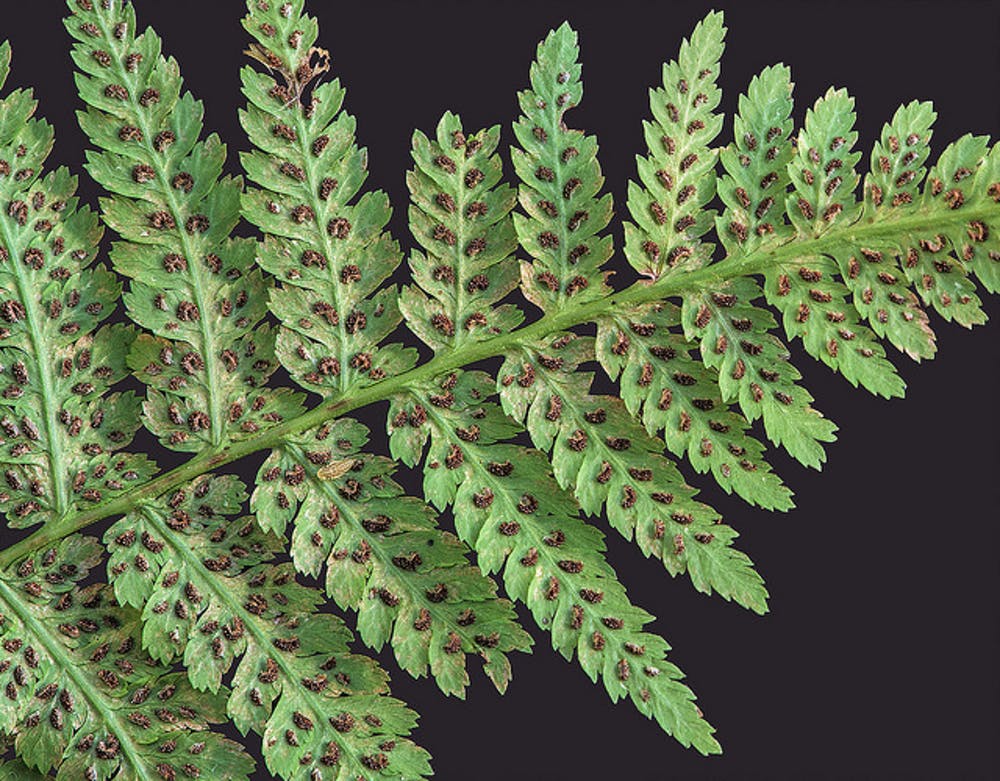
How do we call the brown spots you can see on the fern plant?
Spore seeds
Spore cases
Seed cases
Pollen cases
Why do seedless vascular plants need moist surroundings to survive?
Because they transport materials slowly.
Because they do not have real roots.
Because they reproduce by spores.
Because they do not have cuticle.

An aminal that can be divided into equal parts through its central axis has
vertabrates
asymmetry
radial symmetry
bilateral symmetry
A vertebrate is defined as having
a brain
nervous system
anterior end
backbone

All arthrodods have an external covering called
gills
endoskeleton
exoskeleton
mantle
A sponge is an example of an animal with (a) symmetry
A dog has (a) symmetry
Which animal has radial symmetry
dog
sponge
ant
jellyfish
Which is a specialized function of an animal cell ?
photosynthesis
digestion
symmetry
prokaryotic
Where do Echinoderms live?
in salt water
in fresh water
in salt water nd fresh water
on land
How many legs does a Sea star have?
2
5
7
8
True or false. Every arthropod has an exoskeleton.
true
false
What are the three body parts of a mollusk?
the foot, mantle and toe
the foot, mantle and radula
the mantle, sleeve and toe
the mantle, sleeve and toe
What two systems do mollusks have?
Digestive and respiratory systems
respiratory and endocrine systems
endocrine and circulatory systems
digestive and circulatory systems
What type of worm has a circulatory system?
Flatworms
Roundworms
Nematodes
Segmented worms
What type of worm is a tapeworm?
Flatworm
Roundworm
Segmented worm
Annelid
What type of worm is considered the simplest organism to have an entire digestive system
Flatworms
Roundworms
Segmented Worms
Annelids
What makes cnidarians different from sponges?
Cnidarians are multicellular
Sponges are multicellular
Sponges are not mobile
Cnidarians have cells that are organized into tissues
What does porifera mean?
sponge
having holes
water flows through
dead animal

Invertebrate are animals
Without a backbone
Have a spine
Has a backbone made of cartilage
That look like plants

Sponges
Are plants
Are plankton
Are found in cold waters
Are filter feeders

Which of these animals is not a crustacean?
lobster
crayfish
crabs
clam

A squid is a member of what family that have soft bodies.
Sponges
Crustaceans
Molluscs
Coelenterates

Common characteristics of Echinoderms are
Tubed feet, no shell
spiky skin, have an exoskeloton
symmetrical body usually 5 sided, are plants
tubed feet, symmetrical body usually 5 sided

Jellyfish, sea anemone, coral, are part of what invertebrate group
Molluscs
Coelenterates
Sponges
Stingers

Animals and plants differ because
Animals are found on land and the water while plants are only on land.
Plants only need water to survive.
Animals can survive without the sun and water
Animals give off CO2 and plants need to make food by photosynthesis.

What percent of animals in the sea do invertebrates make up?
5%
90%
97%
75%

Which group are all the same classification?
lobster, coral, hermit crab
Shrimp, jellyfish , bluebottle
mussel, octopus, scallop
Sea cucumbers, starfish, pipi

What animal would have an exoskeleton?
sponge
crab
bluebottle
shark

