wayground logo

Free Printable Worksheets

NEW

Font size

S
M
L
XL
Worksheets

Chapter 5 and 7 Test Review

Total questions: 36

Worksheet time: 23mins

Name
Class
Date
1.
Bobby observed that a metal trash can was covered with rust.  What type of weathering caused the rust on the trash can?
a)
Mechanical weathering 
b)
Wind weathering
c)
Chemical weathering
d)
Erosion weathering
2.
A student hiking in a rock area on a mountain notices that wide, deep cracks have formed in some of the large rocks. Some of the cracks are so large that the rocks have broken apart. Which process most likely caused these rocks to crack and creak? 
a)

Erosion by wind

b)

Water freezing and thawing

c)

Erosion by fast-moving water

d)

Sediments being deposited.

3.

Which type of climate would cause the greatest rate of chemical weathering?

a)

Cold and dry

b)

Cold and humid (wet)

c)

Warm and humid (wet)

d)

Warm and dry

4.
The surfaces of old concrete statues are often covered with small holes or pits. Which of these MOST LIKELY causes these holes or pits?
a)
The concrete becomes pitted as water freezes in small cracks in the statue.
b)
The concrete is chipped away by sand particles blown by strong winds
c)
The concrete is chemically weathered by acid rain.
d)
Long exposure to sunlight causes the pits to form.
5.
What is the weathering process in which rocks are broken down into smaller pieces (sediments) and do not change the rock composition?
a)
Acid weathering 
b)
Gravity weathering
c)
Chemical weathering
d)
Mechanical weathering
6.

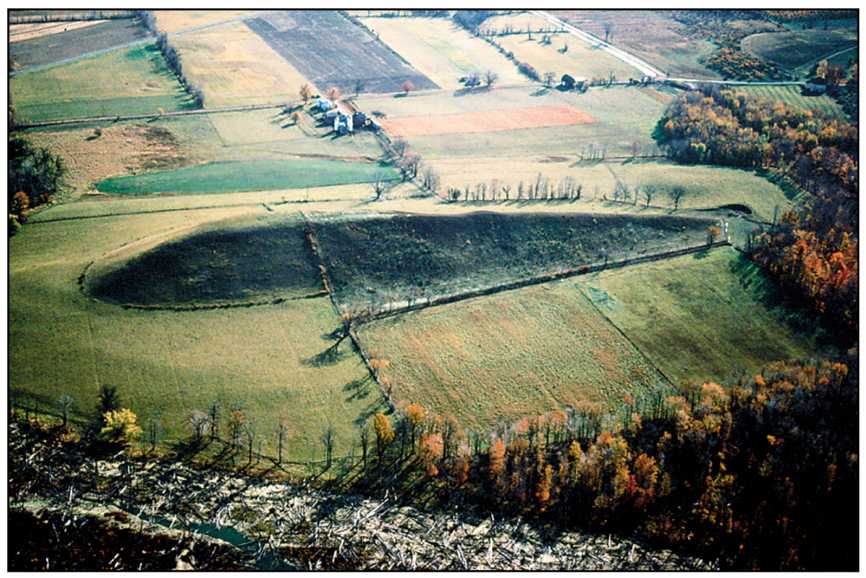
What are elongated landforms made of older moraines over which glaciers have moved?

a)

eskers

b)

drumlins

c)

outwash plains

d)

kettle lake

7.

These rocks were broken apart from the continuous freeze/thaw of water in the cracks of the rocks. This is an example of:

a)

frost wedging

b)

acid rain

c)

permeability

d)

abrasion

8.
Which is NOT a type of mass movement?
a)
landslide
b)
slump
c)
mudflow
d)
windstorm
9.
These are called _______________________.
a)
slumps
b)
mudflows
c)
creeps
d)
landslides
10.
This is a picture of 
a)
slumps
b)
creeps
c)
mudflows
d)
landslides
11.

A creep is

a)

a slow, gradual movement of earth

b)

a quick movement of earth that behaves like a fluid

c)

a quick movement of rocks

d)

a slow, gradual movement of water

12.

Which of the following does NOT usually trigger mass movements?

a)

growth of native vegetation on slopes

b)

formation of oversteepened slopes

c)

saturation of surface materials with water

d)

vibration of the ground during an earthquake

13.

In which mass movement do rock fragments fall freely through the air?

a)

rockslide

b)

rockfall

c)

slump

d)

earthflow

14.

Rock features such as the sculpted pinnacles seen in Bryce Canyon National Park are the result of

a)

exfoliation

b)

differential weathering

c)

chemical weathering

d)

uploading

15.
What is the relationship between surface area and the rate of weathering?
a)
As surface area increases, the rate of weathering decreases
b)
As surface area increases, the rate of weathering increases
c)
As surface area decreases, the rate of weathering increases
d)
There is no relationship
16.

The three types of soil are _____.

a)

humus, gravel, pebbles

b)

sand, silt, clay

c)

sand, rock, pebbles

d)

sand, clay, topsoil

17.
Which of the following is the largest particle in soil?
a)
sand
b)
silt
c)
humus
d)
clay
18.
A _____ is a mass of ice that moves downhill due to its weight.
a)
glacier
b)
erratic
c)
fjiord
d)
moraine
19.

_____ is the removal of large chunks of rock debris by glaciers.

a)

Plucking

b)

Abrasion

c)

Accumulation

d)

Snowline

20.
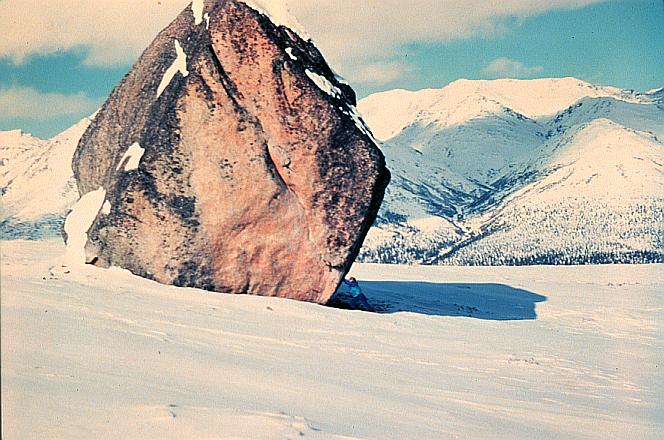
_____ are enormous boulders transported and deposited by glaciers, often far from their source region.
a)
Till
b)
Erratics
c)
Moraines
d)
Fjords
21.
A _____ is a meandering narrow ridge formed when water, flowing in a tunnel underneath a melting glacier, deposited sediment
a)
erratic
b)
moraine
c)
esker
d)
fjords
22.
A _____ is a tear-drop-shaped hill created by ice flow over and around till deposit.
a)
drumlin
b)
esker
c)
moraine
d)
erratic
23.
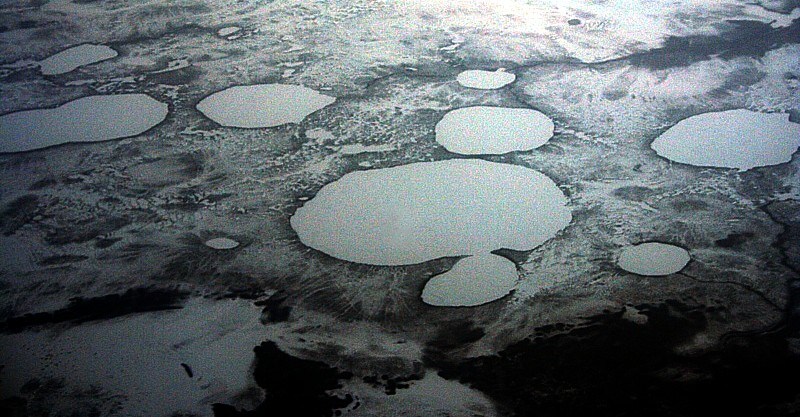
A _____ are depressions formed as stranded ice blocks melt in outwash.
a)
erratics
b)
eskers
c)
kettles
d)
drumlin
24.
What letter of the alphabet does a glacial valley most closely resemble?
a)
U
b)
V
c)
W
d)
X
25.
Icebergs form when a glacier flows into a body of water and cracks apart. This process is known as _____.
a)
drifting
b)
cracking
c)
calving
d)
crevassing
26.

What are sharp pyramid shaped peaks formed by valley glaciers in mountain regions called?

a)

U-shaped valleys

b)

cirques

c)

aretes

d)

horns

27.

_____ are are lines of till deposited at the bottom or end of glaciers.

a)

Eskers

b)

Medial moraines

c)

Erratics

d)

Terminal moraines

28.

The lifting and removal of loose particles such as clay and silt.

a)

loess

b)

deflation

c)

desert pavement

d)

dunes

29.

The creation of a stony surface layer when all the sand and silt are removed and only coarse particles remain.

a)

delfation

b)

desert pavement

c)

loess

d)

dunes

30.

Windblown silt that blankets the landscape.

a)

dunes

b)

desert pavement

c)

deflation

d)

loess

31.

When wind deposits sand in mounds or ridges.

a)

desert pavement

b)

dunes

c)

deflation

d)

loess

32.

Streams that only carry water when it rains are known as ____________.

a)

Arroyos

b)

Alluvial fans

c)

Ephemeral streams

d)

Saltation

33.

Most of the weathered debris in deserts is due to...

a)

Wind

b)

Water

c)

Frost wedging

d)

Biological activity

34.
What agent is responsible for creating sand dunes?
a)
wind
b)
water
c)
ice
d)
deposition
35.

What type of dune is shown in the image?

a)

Parabolic

b)

Crescent

c)

Longitudinal/Linear

d)

Star

36.

What type of dune is shown in the image?

a)

Crescent

b)

Dome

c)

Star

d)

Parabolic