
 Worksheets
Test #1 Review (Units 0-2)
Total questions: 40
Worksheet time: 42mins
All living things...
...Grow and develop.
...have cells.
...reproduce.
...use energy.
All of the above
True or false, Most cells can perform all the functions necessary for life.
true
false
neither
Why is reproduction necessary for life?
photosynthesis
All living things eventually die.
A larger population competes better.
None of the above
What is the term for the cycle of growth living things go through?
development
photosynthesis
quadrilateral
deployment
The total sum of chemical processes living things use is called?
Anabolism
Catabolism
Metabolism
respiration
The name for maintaining suitable living conditions inside an organism is?
Homeostasis
Goldilocks Zone
Photosynthesis
none of the above
What is the name we give to people who study living things?
Forensic Scientist
Philosopher
Biologist
none of the above
Which of the below names is not a type of biologist?
paleontologist
botanist
zoologist
astrophysicist
Which is not a tool biologists use to study life?
graduated cylinder
balance
computer
Biologist use all tools listed.
Which is not a type of microscope we discussed in class
Compound
Electron
Probing
Quantum
Which cell structure contains the cell's genetic material and controls the cell's activities?
Organelle.
Nucleus.
Cell envelope.
Cytoplasm.
Eukaryotes usually contain
a nucleus.
specialised organelles
genetic material
all of the above
Unlike the cell membrane, the cell wall is
found in all organisms.
composed of a lipid bilayer.
a flexible barrier.
made of tough cellulose fibers.
Which of the following is NOT found in the nucleus
lysosomes
nucleolus
nuclear envelope
DNA
Which structures carry out cell movement?
cytoplasm and ribosomes
nucleolus and nucleus
microtubules and microfilaments
chromosomes
Which organelle breaks down food into particles the cell can use?
Golgi apparatus
endoplasmic reticulum
mitochondrion
lysosome
Which organelle makes proteins using coded instructions that come from the nucleus?
Golgi apparatus
vacuole
mitochondrion
ribosome
Which of the following is a function of the cell membrane?
breaks down lipids, carbohydrates, and proteins from foods
stores water, salt, proteins, and carbohydrates
keeps the cell wall in place
regulates which materials enter and leave the cell
Diffusion occurs because
molecules constantly move and collide with one another.
the concentration of a solution is never the same throughout a solution.
the concentration of a solution is always the same throughout a solution.
molecules never move or collide with one another.
An animal cell that is surrounded by fresh water will burst because the osmotic pressure causes
water to move into the cell.
water to move out of the cell.
solutes to move into the cell.
solutes to move out of the cell.
Which of the following is not a part of Cell Theory
All cells come from other cells.
Cells are the basic unit of structure and function of living things.
All living things are composed of cells.
Cells were discovered because of the invention of microscopes.
Who first used the term "cell" to describe what he saw while examining cork with a microscope?
Mattias Schleiden
Robert Hooke
Theordor Schwann
Anton van Leeuwenhoek

Name structure #6.
rough ER
Golgi apparatus
ribosome
cytoplasm
Which of the following organisms are LEAST closely related?
organisms that share a kingdom
organisms that share a family
organisms that share a genus
organisms that share a species
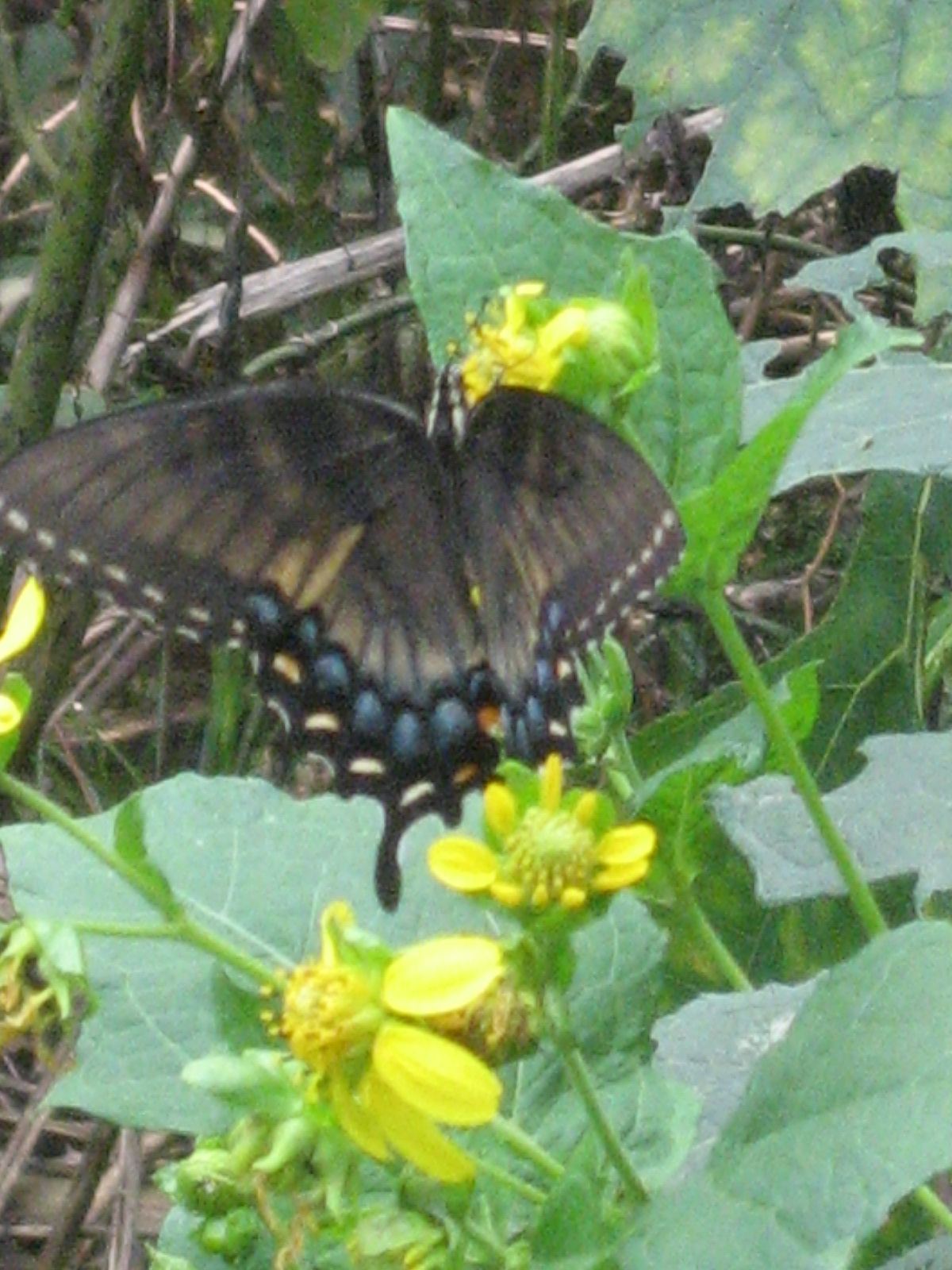
The 7 levels of classification, most broad to most specific.
Genus, Family, Order, Class, Phylum, Kingdom, Species
Species, Kingdom, Genus, Phylum, Family, Class, Order
Kingdom, Phylum, Class, Order, Family, Genus, Species
Order, Kingdom, Species, Phylum, Family, Class, Genus
Who first proposed our current two-name system as a way of classifying organisms?
Carl Linnaeus
Carl's Jr.
Charles Darwin
Henry Groseclose
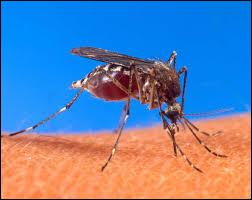
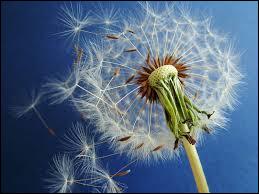
Ctenodiscus crispatus (Mud Starfish)
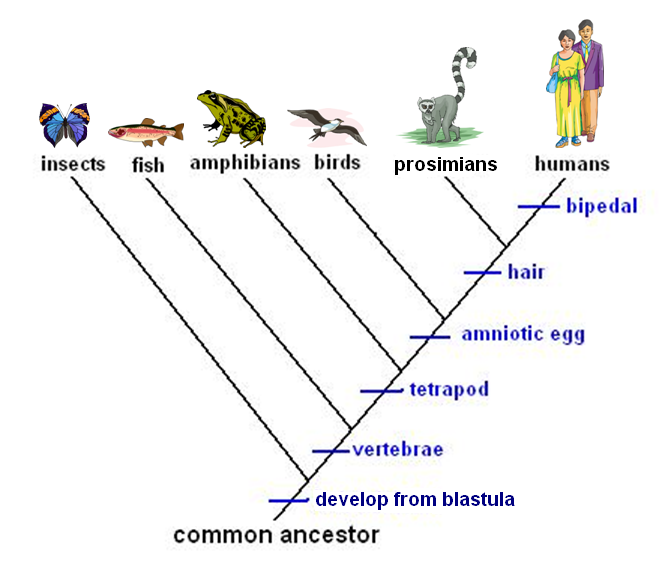
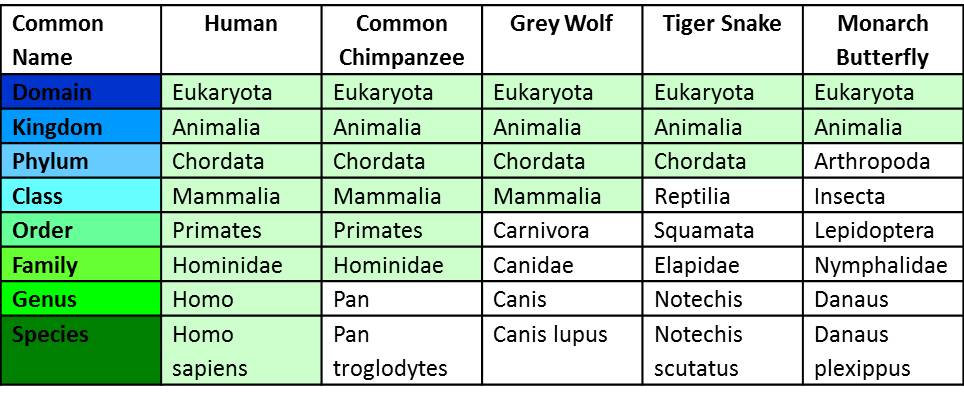


Which 2 organisms would be able to reproduce and produce fertile offspring?
2 organisms in the same class
2 organisms in the same family
2 organisms in the same genus
2 organisms in the same species

