
 Worksheets
Punnett Squares & Meiosis
Total questions: 42
Worksheet time: 1hrs 19mins
Why do scientist use Punnett Squares?
A tool scientist use to to see alleles
A tool scientist use to see which alleles are dominant
A tool scientist use to determine possible genotypes for offspring
Which of the following is a homozygous recessive genotype?
HH
dd
Aa
Which of the following is a heterozygous genotype?
Gg
UU
pp
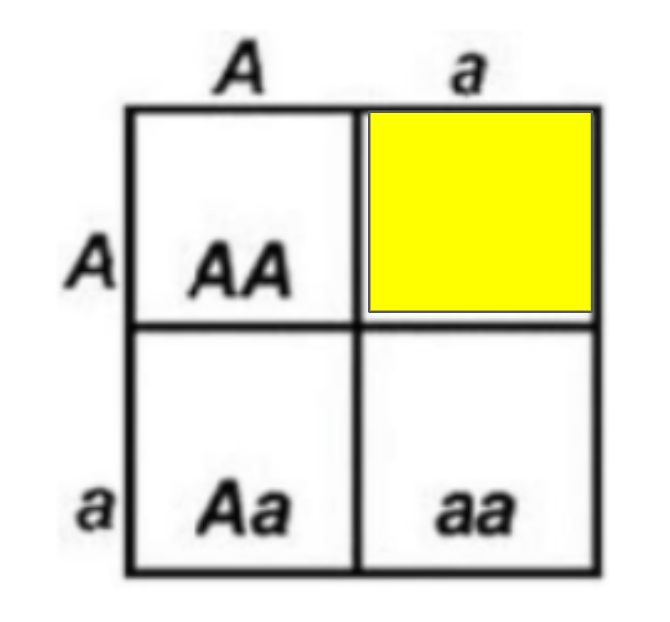
Fill in the Yellow Box
AA
Aa
aa
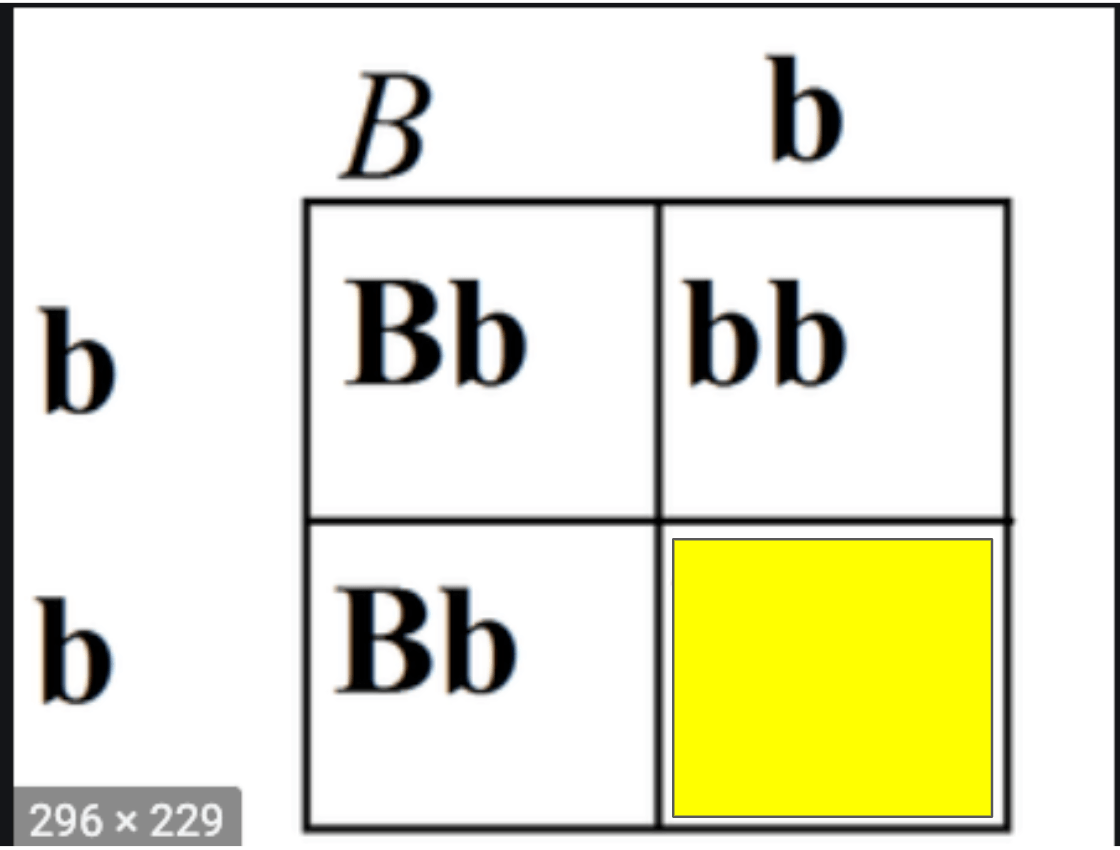
Fill in the Yellow Box
Bb
BB
bb
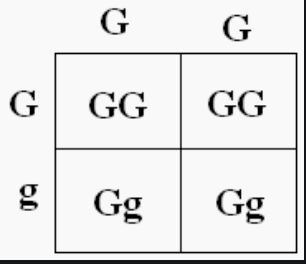
What is the chance the offspring born from this cross will have a homozygous dominant genotype?
25%
50%
75%
100%
The Punnett square is used to tell the color of a frog's skin. "G" means green skin and "g" means brown skin. What is the chance the baby frogs will have brown skin?
0%
25%
50%
100%
In a heterozygous genotype, the ___________ allele takes over in the phenotype.
recessive
dominant
both
G = green, g = yellow
The genotype for a yellow plant is...
GG
Gg
gg
all of the choices result in yellow
In plants, tall (T) is dominant to short (t). Perform the following cross: Tt x Tt. What is the probability of producing a short plant?
0%
25%
50%
75%

What is the probability of a hybrid offspring?
B = brown eyes
b = blue eyes
One boy has genotype BB and his brother is Bb. Which statement is true?
they have same phenotype and genotype
they have different genotypes and phenotypes
they have same phenotype but different genotypes
they have same genotype but different phenotypes

B = brown fur b = white fur
In the Punnett square, what is the missing genotype for the male parent?
BB
Bb
bb
brown fur
B - black, b - brown. Two black mice mate and have some black and some brown mice. What are the genotypes of the parents?
BB x Bb
BB x bb
Bb x Bb
Bb x bb


Which of the following is purebred recessive?
Which of the following is purebred dominant?
Meiosis produces ... (select 2)
gametes
haploid cells
diploid cells
zygotes

Crossing over usually occurs between:
Sister Chromatids
Homologous Chromosomes
Alleles
Non-Homologous Chromosomes
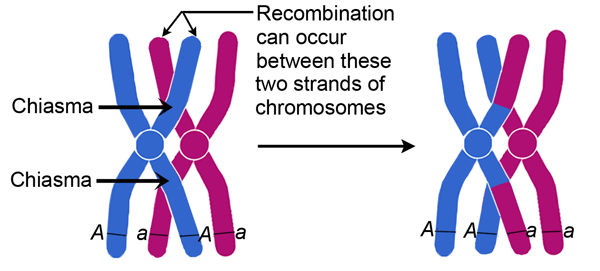
separation of sister chromatids
condensation and separation of alleles
independent assortment of homologous chromosomes

Name this phase of Meiosis
Anaphase II
Anaphase I
Metaphase I
Metaphase II

In which stage of MEIOSIS does crossing over occur? (The exchange of genetic material between chromosomes in a tetrad.)
Anaphase I
Metaphase I
Prophase I
Telophase I

Which terms apply to this karyotype?
diploid
somatic cell
gamete
haplpoid

At the end of meiosis, the gametes produced are all genetic identical.
TRUE
FALSE

Which of the following terms apply to this karyotype?
haploid
diploid
gamete
somatic (body) cell

What is the scientific term that refers to sex cells?
autosome
gamete
karyotype
chromosome

What process is being represented in this diagram?
asexual reproduction
mitosis
meiosis
DNA replication

What process is being represented in this diagram?
sexual reproduction
mitosis
meiosis
DNA replication
If an egg cell of an organism contains 12 chromosomes, how many chromosomes should be present in a heart cell of the same organism?
12
24
6
48
How many chromosomes does a sex cell have compared to a body cell?
twice as many
the same amount
the same, but replicated
half as many
The matching pair of chromosomes you inherit from your genetic parents are called
sister chromatids
autosomes
homologous chromosomes
sex chromosomes

Which letter(s) in the diagram correspond to cells that are haploid?
A and B
A and C
B and C
A only
What is the purpose of meiosis?
growth
repair
reproduction
to create identical cells
What is the purpose of mitosis?
growth and repair
reproduction
genetic diversity
to create unique cells
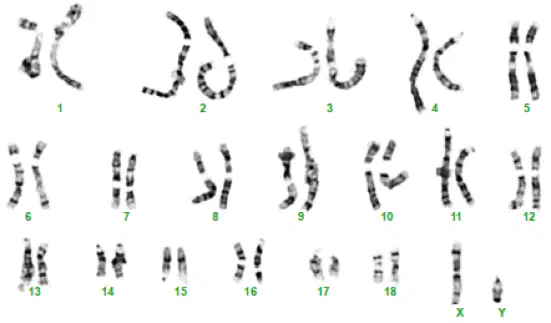
Is the following karyotype from a male or female?
male
female

What caused the differences in gametes between the 2 scenarios? (Select more than 1)
crossing over
independent assortment
how the chromosomes pairs lined up in metaphase I
fertilization - combines DNA from 2 parents

What is the genotype ratio for the cross shown?
0:2:2
2:2
2:2:0
2:0:2
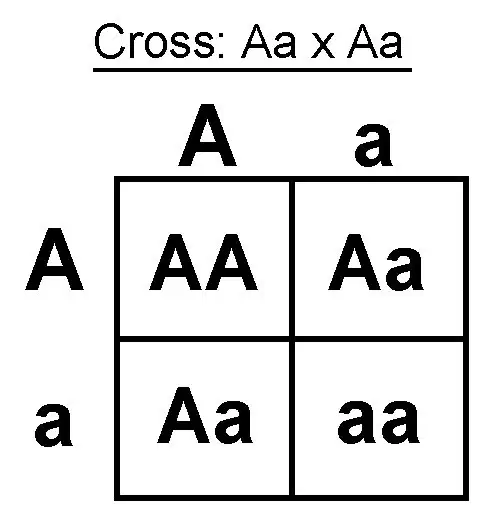
What is the genotype ratio?
1:2:1
3:1
1:3
2:1:1

