
 Worksheets
Ch. 6 Test- Photosynthesis, Cellular Respiration, Mitosis
Total questions: 38
Worksheet time: 22mins
1. What is chlorophyll and how does it help plants?
A.Chlorophyll is a pigment that absorbs light energy and makes glucose.
B.Chlorophyll is a protein that changes shape in the presence of sunlight.
C.Chlorophyll is a receptor that binds carbon dioxide when energized by light
D.Chlorophyll is an enzyme that catalyzes the production of glucose when exposed to light.
Which type of organism would MOST likely benefit directly from increased levels of CO2?
mushroom
tree
bird
fish
7. How does a human body get energy?
Sunlight on the skin produces energy.
Water provides the majority of energy.
Food and oxygen combine to deliver energy
Sleep provides energy stored at night for the next day.
Which two things are produced when a plant breaks down sugar to release energy?
oxygen and food
carbon dioxide and food
oxygen and carbon dioxide
carbon dioxide and water
If a single-celled organism that uses photosynthesis has its source of light removed, it will
divide repeatedly.
produce less energy.
grow in size.
generate more waste.
How will clear-cutting of forests affect the level of carbon dioxide in the atmosphere?
It will decrease because of increased respiration.
It will increase because of decreased photosynthesis.
It will decrease because of decreased photosynthesis.
It will remain constant as respiring animals remove the carbon dioxide.
Which statement accurately describes an interaction between plants and animals?
Animals release CO2, required for photosynthesis.
Animals release O2, required for plant survival.
Plants provide humans with atmospheric nitrogen.
Plants provide humans with CO2 for respiration.
6. Which of the following represents the process of photosynthesis?
C6H12O6+6O2→6CO2+6H2O
6CO2+6H2O→C6H12O6+6O2
2H2O→2H2+O2
2H2+O2→2H2O
Which of the following BEST describes the flow of energy in a cabbage plant?
Chemical energy is absorbed by mitochondria, stored in sugars, and released in chloroplasts.
Chemical energy is absorbed by chloroplasts, stored in sugars, and released in mitochondria.
Solar energy is absorbed by chloroplasts, converted and stored in sugars, and released in mitochondria.
Solar energy is absorbed by mitochondria, converted and stored in sugars, and released in chloroplasts.
People take in and release gases from the air when they breathe. Which exhaled gas is a waste product of respiration?
helium
oxygen
carbon dioxide
hydrogen
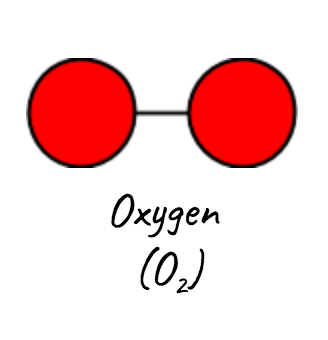
Oxygen is...
A product of photosynthesis and cellular respiration
A raw material of photosynthesis and cellular respiration
A product of photosynthesis and a raw material of cellular respiration
A raw material of photosynthesis and a product of cellular respiration
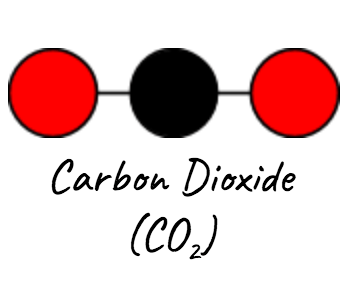
C6H1206 +6O2--> 6H20 + 6CO2 + Energy (ATP)
This equation represents ___________________.
Human Respiration
Cellular Respiration
DNA Replication
Photosynthesis
Which two body systems function in coordination to deliver oxygen to our cells?
Respiratory system and Circulatory system
Circulatory system and Immune system
Digestive system and Nervous system
Muscular system and Skeletal system
Which of the following statements is true
The products of photosynthesis are the raw materials of cellular respiration.
The products of photosynthesis are not necessary for respiration to occur.
The raw materials of photosynthesis are also the raw materials of cellular respiration.
The products of photosynthesis are also the products of cellular respiration.

During what phase of Mitosis do the chromosomes line up in the Middle
Metaphase
Prophase
Telophase
Anaphase

What are the "X" shaped things in the drawing.
PMATs
Chromosomes
Ribosomes
Telophase

Which stage of the Life Cycle of the cell is this cell in (look close-the DNA hasn't formed Chromosomes (X) yet)
Interphase
Prophase
Anaphase
Telophase
PMAT helps us remember the correct order of the phases of Mitosis. Which of the following has the phases of Mitosis in the correct Order
Interphase, Mitosis, Cytokinesis
Prophase, Metaphase, Anaphase, Prophase
Anaphase, Telophase, Prophase, Telophase
Prophase, Metaphase, Anaphase, Telophase
Which of the following is the correct order of the Cell Cycle?
Interphase, Mitosis, Cytokinesis
Mitosis, Cytokinesis, Mitosis, Interphase
Prophase, Metaphase, Anaphase, Telophase
Interphase, Prohase, Cytokinesis
In which phase of Mitosis are the Chromatid pairs pulled apart by the spindle fibers?
Metaphase
Prophase
Anaphase
Telophase
What is the purpose of Mitosis?
Growth of an organism, Repair of damaged tissue, and Reproduce new cells.
To help the body get rid of extra cells
To increase the amount of classwork you have to do
To get rid of the nucleus


In this plant cell, what is forming during Teleophase?
Spindle Fibers
Cell Plate
Chromatid pairs
Cell Wall

