wayground logo

Free Printable Worksheets

Font size

S
M
L
XL
Worksheets

Estudiar para examen Unit 4”The Hydrosphere”

Total questions: 80

Worksheet time: 1hrs 4mins

Name
Class
Date
1.

When water is heated in the ocean by the sun and turns into water vapor

a)

Condensation

b)

Evaporation

c)

Transpiration

2.

When plants give off drops of water it is called

a)

Transpiration

b)

Evaporation

c)

Condensation

3.

When water flows back into the ocean it is called

a)

run-off

b)

transpiration

c)

precipitation

4.
What word describes when water is attracted to other substances?
a)
cohesion
b)
adhesion
c)
capillary action
d)
surface tension
5.
What two elements make up water?
a)
Helium and oxygen
b)
Hydrogen and oxygen
c)
helium and carbon
d)
oxygen and carbon
6.
Water is a universal solvent because it...
a)
It can be found anywhere
b)
It freezes when it gets cold
c)
floats when frozen
d)
Dissolves most substances
7.
What percent of earth is covered with water?
a)
3
b)
29
c)
71
d)
97
8.
What percent of Earth's water is fresh?
a)
3
b)
29
c)
71
d)
97
9.
What percent of Earth's water is salty?
a)
3
b)
29
c)
71
d)
97
10.
Where is most of earth's freshwater found?
a)
in lakes and rivers
b)
in the ground
c)
in the clouds
d)
in polar ice caps and glaciers
11.
What percent of water is available for humans to use?
a)
50
b)
25
c)
3
d)
less than 1
12.

What is the correct definition of a stream?

a)

a small channel of water continuously flowing down a slope

b)

A body of water contained by land

c)

a large channel of water continuously flowing down a slope

13.
An aquifer is a(n)
a)
well in which water rises because of pressure
b)
underground layer of rock or sediment that holds water
c)
type of hot spring from which the water periodically erupts
d)
place where groundwater bubbles or flows out of cracks in the rock
14.
What is it called when smaller streams join together to make a larger river?
a)
Tributaries
b)
Topography
c)
Watershed
d)
Groundwater
15.

Drainage area of a river made up by several watersheds

a)

River basin

b)

Groundwater

c)

Estuary

d)

Watershed

16.

The water under the ground is known as

a)

groundwater

b)

aquifer

c)

water table

d)

water

17.

Which option, among the following, defines an aquifer?

a)

Bed rock and rocks restrict the movement of water

b)

Groundwater is stored between layers of hard rock

c)

Sand or soil, which permits the passage of water

d)

Low rainfall area

18.

Groundwater is replenished by ………………..

a)

rocks

b)

pumping

c)

well

d)

rainwater

19.

A ……………….. is most commonly used to access groundwater.

a)

well

b)

pond

c)

river

d)

tap

20.

Is fresh water from an aquifer or the surface more pure?

a)

The surface if more pure because there is no dirt

b)

The aquifer is more pure because the dirt and rock act as a filter

c)

They are the same

21.

Where is 97% of the Earth's water located?

a)

Rivers and Lakes

b)

Glaciers and Icecaps

c)

oceans

d)

groundwater

22.

Why is MOST of the freshwater on Earth NOT available for our use?

a)

All freshwater on Earth is easily accessible for use.

b)

It is frozen in the icecaps and glaciers.

c)

It is surface water.

d)

It is underground.

23.
Why is freshwater important?
a)
So we can have lakes and Rivers
b)
There is no such thing as freshwater.
c)
We need it to survive.
24.
What is NOT an example of freshwater?
a)
Rivers
b)
Lakes
c)
Oceans
d)
Groundwater
25.
When water goes from being a liquid to a gas (water vapor), that process is called
a)
Condensation
b)
Evaporation
c)
Precipitation
d)
Transpiration
26.
When water goes from being a gas (water vapor) to a liquid, that process is called 
a)
Condensation
b)
Evaporation
c)
Transpiration
d)
Precipitation
27.
The scientific name for water in its gas phase
a)
Precipitation
b)
Evaporation
c)
Water Vapor
d)
Transpiration
28.
The process that cycles water around Earth and it's atmosphere is called 
a)
The Natural Cycle
b)
The Carbon Cycle
c)
The Water Cycle
29.

An artificial lake that stores water.

a)

aquifer

b)

river

c)

reservoir

d)

groundwater

30.

Compounds made up of Nitrates and Hydrogen. Mainly found in fertilizers that causes high levels of plant growth in water.

a)

Temperature

b)

Nitrates

c)

Biological Indicators

d)

Dissolved oxygen

31.
all the water on or surrounding the surface of the planet
a)
hydrosphere
b)
water cycle
c)
hydrological cycle
d)
precipitation
32.
the process where plants absorb water through the roots and then give off water vapor through pores in their leaves
a)
transpiration
b)
sublimation
c)
evaporation
d)
condensation
33.

water cycle

a)

all the water on or surrounding the surface of the planet

b)

cycling of water on Earth through a variety of processes

c)

the area of land drained by a river and its branches

d)

bodies of water that include lakes and ponds, rivers and streams

34.

precipitation

a)

rain, snow, sleet, or hail that falls to the ground

b)

valuable water resource on Earth; provides drinking water

c)

the area of land drained by a river and its branches

d)

the process of turning from liquid into vapor

35.

evaporation

a)

rain, snow, sleet, or hail that falls to the ground

b)

the process of turning from liquid into vapor

c)

the process where plants absorb water through the roots and then give off water vapor through pores in their leaves

d)

cycling of water on Earth through a variety of processes

36.

All the water contained on Earth is called __________.

a)

the hydrosphere

b)

groundwater

c)

surface water

d)

the atmosphere

37.

The Dead Sea has a high salt content. We call this ___________.

a)

its solution

b)

the water cycle

c)

evaporation

d)

salinity

38.

Currents help to moderate the temperature of the ocean by _____________.

a)

moving warm water toward cold water

b)

being still

c)

absorbing sunlight

d)

melting icebergs

39.

The constant movement of water between the Earth and its atmosphere is called ___________.

a)

transpiration

b)

the water cycle

c)

groundwater

d)

surface water

40.

Currents in the Northern Hemisphere move __________.

a)

counter clockwise

b)

any way they want to

c)

in a zigzag pattern

d)

clockwise

41.

A _____________ is a substance that dissolves other substances.

a)

solution

b)

salinity

c)

solvent

d)

sugar

42.

Thermal energy drives the water cycle.

a)

True

b)

False

43.

The energy from the sun powers the water cycle.

a)

True

b)

False

44.

Continental Shelves are features that are part of the ocean floor.

a)

True

b)

False

45.
Thermal pollution can result when...
a)
DO levels decrease
b)
A factory dumps cooling water directly into a lake
c)
Nitrate levels peak
d)
Turbidity decreases
46.
What is turbidity a measure of?
a)
Photosynthesis in water.
b)
Change in biological activity.
c)
Cloudiness of water.
d)
Solubility of atmospheric gases in water.
47.
If water has e.coli, fecal coliform bacteria, and/or cryptosporidium in it
a)
its ok to drink the water as long as the levels are low
b)
its totally fine to drink the water
c)
the water is not drinkable since these microorganisms make you really sick
d)
you should give the water to kids
48.
What metals are potentially toxic to humans and aquatic life?
a)
lead and mercury and chromium
b)
hydrogen, titanium and gold
c)
silver, cobalt and manganese
d)
zinc, scandium and platinum
49.
The process by which water on the ground enters the soil
a)
Porosity
b)
Infiltration
50.

Which of the following is a way in which water resources are consumed? (select all that apply)

a)

drinking

b)

industry

c)

business

d)

desalination

51.

When the clouds become too heavy and water (in some form) falls back to earth...

a)

Runoff

b)

Condensation

c)

Precipitation

d)

Transpiration

52.

Study the graph below. What is the dissolved solid that is most commonly found in Earth's oceans?

a)

calcium

b)

magnesium

c)

sulfur

d)

sodium chloride (salt)

53.

Which ocean is marked in the image?

a)

Pacific Ocean

b)

Indian Ocean

c)

Atlantic Ocean

d)

Arctic Ocean

54.

Which is a water molecule?

a)
b)
c)
55.

Which things effect how much Oxygen can be dissolved in Water?

a)

Temperature

b)

Wind

c)

Pressure

d)

Amount of O2 in atmosphere

e)

Salinity

56.

True or False: All the oceans are separate from each other. They are not connected at all.

a)

True

b)

False

57.

Evaporation is when a ___________ changes to a ___________.

a)

Solid, Gas

b)

Gas, Solid

c)

Liquid, Solid

d)

Liquid, Gas

58.

Hydro means...

a)

Land

b)

Water

c)

Life

d)

Air

59.

An artificial lake that stores water.

a)

aquifer

b)

river

c)

reservoir

d)

groundwater

60.

What is the process of weathered rock moving from one place to another?

a)

deposition

b)

erosion

c)

wind

d)

wetland

61.
What covers one quarter of planet Earth?
a)
land
b)
water
c)
vegetation
d)
people
62.
What covers three quarters of planet Earth?
a)
land
b)
water
c)
vegetation
d)
people
63.
What is the name of the liquid part of the Earth?
a)
hydrosphere
b)
atmosphere
c)
geosphere
d)
biosphere
64.
How many continents are there on planet Earth?
a)
7
b)
6
c)
5
d)
8
65.
What is the most common state of water?
a)
water vapour
b)
liquid
c)
ice
66.
What are lakes and rivers?
a)
surface water
b)
groundwater
c)
seawater
67.
 What are oceans and seas?
a)
surface water
b)
groundwater
c)
seawater
68.
What type of inland water has very low salt content?
a)
Fresh water
b)
Brackish water
c)
Salt water
69.
What type of inland water has moderate salt content?
a)
Fresh water
b)
Brackish water
c)
Salt water
70.
What type of water has high salt content?
a)
Fresh water
b)
Brackish water
c)
Salt water
71.
At what temperature does water change into a solid?
a)
0ºC
b)
-4ºC
c)
1ºC
d)
100ºC
72.
At what temperature does water change into vapour?
a)
0ºC
b)
10ºC
c)
1000ºC
d)
100ºC
73.
What occurs on the surface of the water caused by the wind and can vary in strength?
a)
Tides
b)
Ocean currents
c)
 Waves
74.
SURFACE WATER
A shallow lake that forms on coastlines with at least one inlet from the sea.
a)
river
b)
lake
c)
delta
d)
lagoon
75.
SURFACE WATER
Triangular shaped build up of sediments at the river mouth.
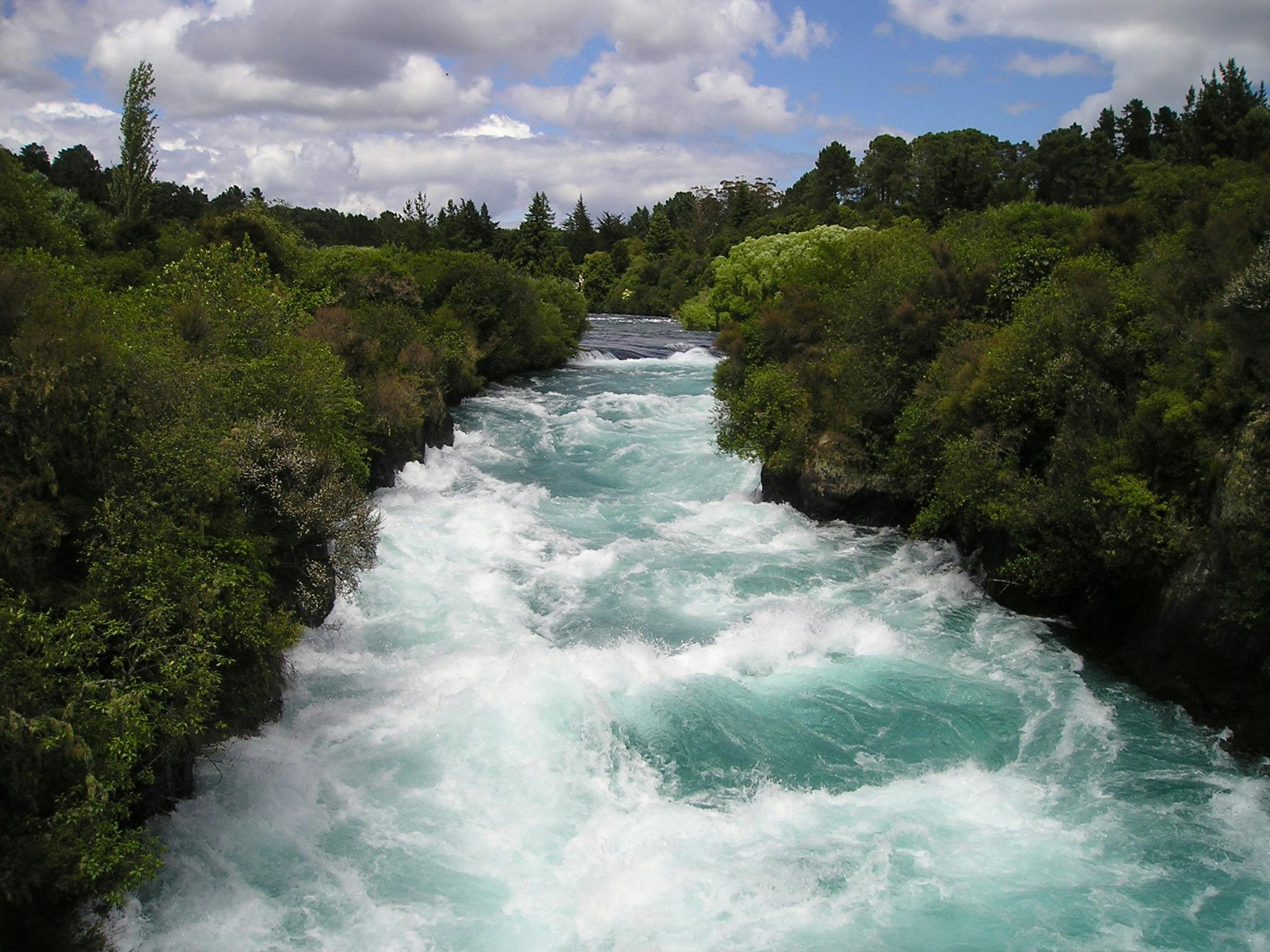
a)
river
b)
lake
c)
delta
d)
lagoon
76.
SURFACE WATER
 A flowing body of fresh water that flows into lakes or seas.
a)
river
b)
lake
c)
delta
d)
lagoon
77.
SURFACE WATER
 Nearby coastal areas that are often heavily populated by humans. Wide are of brackish water that forms from sea currents.
a)
estuary
b)
lake
c)
marsh
d)
wetlands
78.
SURFACE WATER
 A  type of wetland found at the edge of other bodies of water, such as rivers, lakes and the sea.
a)
estuary
b)
lake
c)
marsh
d)
wetlands
79.
GROUNDWATER
 Human construction built to extract water from aquifers.
a)
springs
b)
aquifers
c)
water table
d)
wells
80.
GROUNDWATER
Areas where impermeable rock has cracked and water escapes.

a)
springs
b)
aquifers
c)
water table
d)
wells