
 Worksheets
plant kingdom
Total questions: 36
Worksheet time: 19mins
these plants have a system of tubes to carry water and nutrients from the roots to the leaves
mosses
vascular
non-vascular
tropisms
these plants have a system of tubes to carry water and nutrients from the roots to the leaves (choose all that apply)
mosses
ferns
conifers
flowering plants

these plants are non-vascular and seedless
mosses
ferns
conifers
flowering plants
ALL plants are
eukaryotic
prokaryotic
unicellular
mutlicellular
Mosses are non-vascular, which means they do not have
tissue
blood
chloroplast
tubes
Plants respond to stimuli such as light, touch, water or gravity. This is called a
tropism
dispersal
hormone
photosynthesis

Plants are called __________ because they can make their own food (choose all that apply)
heterotrophs
autotrophs
consumers
producers
Mosses and ferns are seedless so they reproduce by
cones
flowers
spores
pollen

This group of plants is vascular and seedless. They reproduce with spores under their fronds.
mosses
ferns
gymnosperms
angiosperms

This group of plants is vascular and has seeds in cones. The name means "naked seeds."
mosses
ferns
gymnosperms
angiosperms

This group of plants is vascular and has seeds in flowers or fruits.
mosses
ferns
gymnosperms
angiosperms

Flowering plants need pollinators. Pollination is important for what process?
photosynthesis
reproduction
respiration
tropisms
Gymnosperms all have 2 important characteristics that make them very unique. They are:
flowers
cones
needles
seed coats
Which group does NOT have roots?
mosses
ferns
gymnosperms
angiosperms
Tulips, daisies, sunflowers, apple trees, maple trees
mosses
ferns
gymnosperms
angiosperms
spruce, hemlock, fir, and pine trees
mosses
ferns
gymnosperms
angiosperms
Plants NEED these to DO photosynthesis
water
oxygen
carbon dioxide
glucose
Plants MAKE these PRODUCTS from photosynthesis
water
oxygen
carbon dioxide
glucose
Angiosperms have
flowers
naked seeds
cones
seed coats

a plant that comes back year after year is called a(n)
annual
biennial
perennial
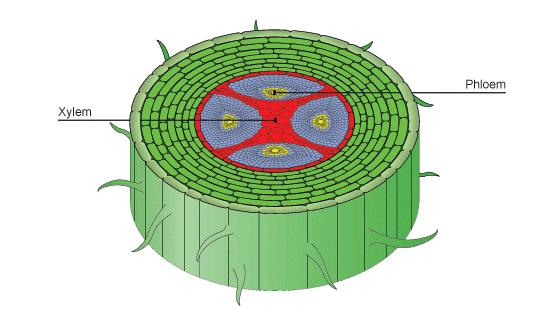
Specific type of plant tissue that transports water and minerals from the roots, through the stems, to leaves
vascular plant
nonvascular plant
xylem
phloem

Specific type of plant tissue that transports food (sugar) made in the leaves to the entire plant
vascular plant
nonvascular plant
xylem
phloem
Examples of these plants include mosses, liverworts, and other plants with no xylem or phloem
dicot
Gymnosperms
Angiosprems
Bryophytes

What is #6 pointing to?
anther
ovary
ovule
petal
What organelle is where photosynthesis takes place? All plants have one
cytoplasm
chloroplast
mitochondria
nucleus

There are two main groups of non-flowering plants:
angiosperms and gymnosperms
fruits and spores
flowering and non-flowering
ferns and mosses

Classify this plant:
(a)

Classify this plant:
(a)

Classify this plant:
(a)

Classify this plant:
(a)

...carries water and minerals to and from the leaves...
(a)

...absorb water and minerals needed for nutrition and hold the plant in the ground...
(a)

...the gas exchange in leaves takes place through them...
stomata
leaves
roots
veins

...contain chlorophyll...
(a)

