
 Worksheets
Acids, bases and salts - Grade 7 ANNUAL EXAMS
Total questions: 55
Worksheet time: 46mins
Choose the odd one out -
China Rose (Hibiscus)
Salt
Methyl Orange
None of the Above
When the soil is too Basic, what do you add to neutralise the effect ?
Basic Quicklime
Phenolphthalein
Organic Matter
Nitric Acid
When neutralization reaction happens, they form -
Salt and Sodium Chloride
Salt, Water and Heat
Heat and Sugar
Indicators are -
Substances which are nor Acidic or Basic
Substances that are used to test the Acidic or Basic nature of a substance
Substances which have both chemical and physical properties
None of the Above
Which of the following Statements are true about Acids ?
They are sour in taste and soapy to touch
They are sour in taste
Acids are present in Oranges, Ant sting, Vinegar etc.
Acids are present in Vinegar, Sugar, Soap etc.
When do you take an Antacid ?
When you are Hungry
When the soil is too Acidic
When you have a Gastric problem in your stomach
When the Factory wastes are disposed in waterbodies
None of the Above
A child got stung by a bee. Some of the Elders suggest to add Baking Soda or Lemon Juice. Which one do you think is Appropriate ?
Lemon Juice
Water
Baking Soda
None of the Above
Before Factory wastes are disposed out to Waterbodies, why do they add basic substances ?
So that the Factory wastes decomposes in Waterbodies
Because they have Respect towards them
So that they do not harm the Aquatic animals and Plants
None of the Above
When the pH Scale is on 5, the Nature of the substance is -
Neutral
Acidic
Basic
None of the Above
When the pH Scale is on 7, the Nature of the substance is -
Acidic
Basic
Soluble
None of the Above
Neutralization is a reaction between
Two acids
Two bases
One Acid and one Base
None of them
What pH range would you get for an Acid ?
0 - 6
7
7 - 14
2 - 10
Acid is?
A substance that reacts to metals and carbonates, and has a Ph of below 7.
Often used in drain cleaner.
Something that can only be found in a lab
A bitter tasting substance
A base is
A substance that feels slippery, has a higher Ph than 7, and is often used in drain cleaner.
Has a Ph of below 7 and can react to metal and carbonates
Is only found in a lab
Something water can never be
Water is?
Always an acd
Always a base
Is the most common base, and acid in the world
Always is neutral that is why it is safe to drink
Do acids and bases conduct electricity?
Only acids conduct electricity
Only bases conduct electricity
Bases and acids conduct electricity
Neither conduct electricity
A substance with a ph of higher that 7.5 is a?
Home dog doggity
Base
Acid
Salt
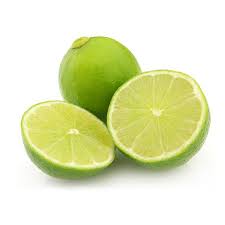
Which of these taste sour?
acids
bases
salts
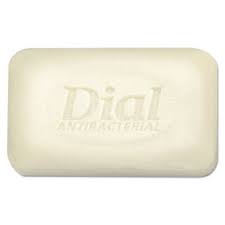
Which of these feel slippery?
bases
acids
salts
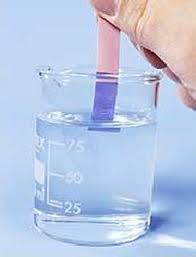
Which of these turn red litmus paper blue?
acids
bases
salts
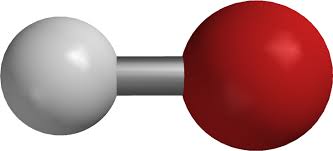
Which type of ions are produced by bases when they are in a water solution?
OH-
H+
H2O
HCl
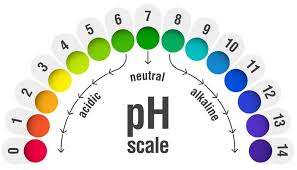
The pH scale is used to determine the strength of
acids and bases
chemical bonds
electrical charges
particles in a solution
A weak base will have a pH close to
8
6
0
14
A very strong acid will have a pH of
0
14
5
9
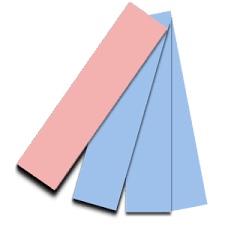
Litmus paper works because it has been treated with
natural dyes
radioactive isotopes
halogens
organic inhibitors
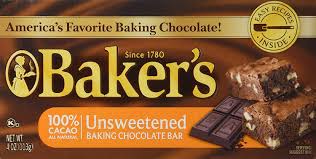
Unsweetened chocolate tastes bitter because chocolate contains a
base
acid
chemical salt
Which of the following is a Mineral Acid?
Citric Acid
Oxalic Acid
Glycolic Acid
Sulphuric Acid
Fruits such as oranges , lemon etc, contain ........................... Acid
Citric
Lactic
Ascorbic
Acetic
Which one of the following is not a neutral substance ?
Glucose
Sodium Hydroxide
Urea
Sugar
Hydrochloric Acid solution affect .......................... litmus paper
Red
Blue
Both of these
None of these
Bases turn yellow turmeric paper to ...........................
Green
Red
Pink
Orange
Methyl Orange is a
Natural
Human-Made
Pink
Colourless
Which method is recommended to dilute an acid
An acid is added to water
Water added to acid
Which of the following is a property of an Acid ?
Sour taste
Sweet Taste
Bitter Taste
Salty Taste
Milk of magnesia contains .............................
Sodium
Potassium
Magnesium
Ammonium

Why is toothpaste alkaline?
It can neutralise strong alkaline in
your mouth
It can neutralise acid in
your mouth
It can refresh your teeth
Toothpaste is not alkaline.
... are used to neutralise acid in the stomach.
Toothpastes
Bacterias
Antacids
More strong acids
Sting of an ant contains
Vinegar
Common salts
Milk of magnesia
Formic acid
From which plant litmus is extracted
Lichens
Roses
neem
China rose
Which among of these is a natural indicator
Mango leaf
China rose
Mint
All of them
Which of the following is not a mineral acid?
Hydrochloric acid
Citric acid
Sulphuric acid
Nitric acid
which of the following is used for dissolution of gold?
Hydrochloric acid
Sulphuric acid
Nitric acid
Aqua regia
The acid obtained from curd is -
Oxalic acid
Tartaric acid
Acetic acid
Lactic acid
Which of the aqueous solutions has highest pH value?
Sodium chloride
Potassium carbonate
Copper sulphate
Ammonium chloride

Milk is a very weak acid. What might its pH value be?
6.5
7.8
4.2
12.2
Which is the correct sequence of steps to make a pure sample of a soluble salt?
Add excess acid to base, filter acid, evaporate half of solution, leave to crystallise, remove crystals and dry them with filter paper.
Mix two soluble solutions and filter off the insoluble salt. Dry the salt.
Add excess base to acid, filter excess base, evaporate half of solution, leave to crystallise, remove crystals and dry them with filter paper.
Add UI to acid and add base until UI turns green. Evaporate half of solution, leave to crystallise, remove crystals and dry them with filter paper.
Complete this equation:
sulfuric acid + potassium hydroxide -->
potassium oxide + hydrogen
potassium chloride + water
potassium sulfate + hydrogen
potassium sulfate + water

