
 Worksheets
Limiting Factors
Total questions: 20
Worksheet time: 20mins

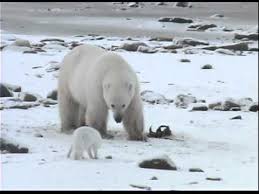
Two arctic fox are fighting with a polar bear for a sea lion carcass. One fox distracts the bear while the other eats. What type of limiting factor is the polar bear?
Predator-Prey Relationships
Competition
Herbivory Effect
Weather

A group of elephants gets stuck in mud at the edge of the river from a recent mud slide. A lion waits for an elephant to get tired before it attacks. What is the limiting factor to the elephant population?
Predator-Prey Relationships
Natural Disaster
Herbivory Effect
Competition

A duck population is breeding at exponential rates. The snakes that hunted them have been collected by fur collectors. They make boots from python snake skin. What is the limiting factor to the snakes?
Ducks
Predator-Prey
Exponential Growth
Humans

A duck population normally begin migrating south right after the last rain of the late summer season. Suddenly, they’re migrating much earlier. The climate has been changing far too often which is altering the effects of their magnetite.
Predator-Prey Relationships
Weather
Herbivory Effect
Competition

Small krill sweep the river bottom rocks for debris and muck. Next, the krill is suddenly swooped up by a small fish. The small fish then gets eaten by a salmon. A week after the bear eats the salmon, it begins to have symptoms. Over time the bear weakens from a botfly infection. What is the limiting factor to all the consumers?
Predator-Prey Relationships
Parasites
Disease
Competition

The wolf population gets reintroduced to the ecosystem. There is enough deer to go around, so they eat comfortably. The wolf population begins to grow out of control with so much food. The different wolf families then begin to compete for the few caves that exist. Not everyone has good shelter so some have to sleep in the forest floors. What is the limiting factor to the wolves?
Overcrowding
Competition
Weather
Shelter

The wolf goes extinct, and the deer population has no predator to worry about. They graze the land. Because there is no more food. Some of the deer begin to bite at each other, while others die of starvation. What is the limiting factor to the deep population?
Competition
Overcrowding
Predator-Prey Relationships
Herbivory Effect

A landslide covers the river’s path. Further downstream, water depletes and fish populations start to go down. In this case the landslide was a limiting factor.
Weather
Natural Disaster
Climate Change
Global Warming

A random cloud forms and fills the rivers with excess water. In one lake biome, the excess rain pulls trees into rivers destroying bird shelters. What is the limiting factor to the biome?
density-dependent limiting factor
Weather
Climate
Natural Disaster
Which of these factors do not respond to the density of a population in an ecosystem?
Density Dependent Limiting Factors
Density Independent Limiting Factors
Herbivory Effect
Competition
Which of these limiting factors has an influence on the growth of a population based on its density?
Natural Disasters
Seasonal Changes
Weather
Overcrowding

