
 Worksheets
Lesson 11 Reading One - When More is Too Much
Total questions: 42
Worksheet time: 29mins

Abiotic factor
worm
water
dog
fish

Temperature, light, air, water, and soil are all _____ parts of the environment
alive
biotic
abiotic
living

Is a deer an abiotic or biotic factor?
abiotic
biotic

Is a fern an abiotic or biotic factor?
abiotic
biotic

Is a weather an abiotic or biotic factor?
abiotic
biotic

Is sunlight an abiotic or biotic factor?
abiotic
biotic

A living or once-living organisms in an ecosystem is a
population
biotic factor
abiotic factor
community

Which of the fallowing has only abiotic factors?
Sunlight, algae, and temperature
Guppy, crab, oxygen
Sunlight, soil, and weather
Algae, temperature, and dog
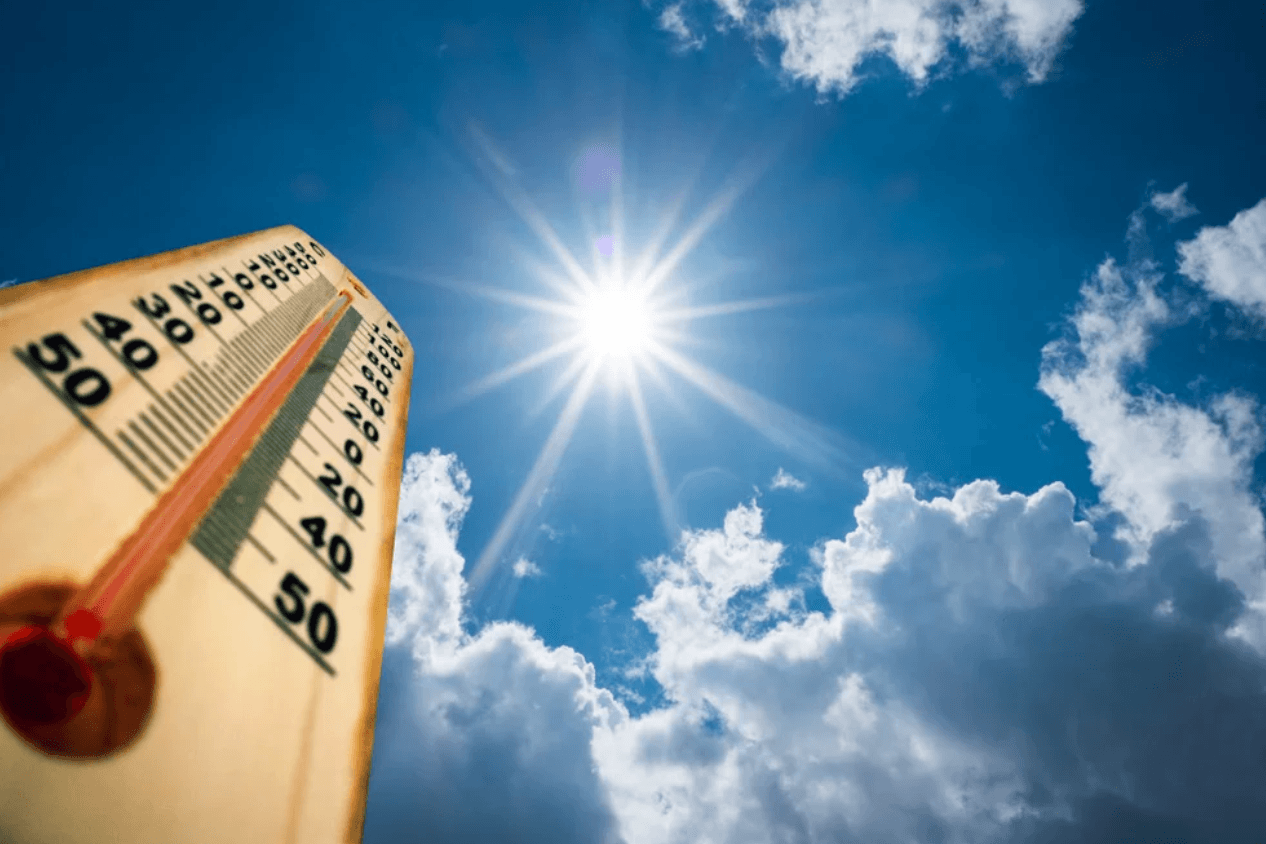
Temperature
Biotic (living)
Abiotic (non-Living)

Starfish
Biotic (living)
Abiotic (non-living)

Sunlight
Biotic (living)
Abiotic (non-living)

_______________ are the living factors in an environment and may include food sources and other populations.
Community
Competition
Biotic factors
Population

Marcus left his candy bar on the counter so he would have a treat after school. When he arrived home, he saw that the candy bar was half eaten. What did Marcus know from the evidence he got by observing the candy bar?
The environment interacted with Marcus’ candy bar.
An organism interacted with Marcus’ candy bar

Identify a statement below that could cause a population to change?
An injured animal is not able to reproduce
No quails have been seen since after the forest fire.
The lightning destroyed the tree with a next of birds in it.

Mary used iodine to test a substance for starch. The color of the iodine placed on the substance was orange. What was the result of Mary’s test?
The substance tested positive for starch.
The substance tested negative for starch.

An animal species move into a new ecosystem. What kinds of factors increase the likelihood that they will survive in the new environment?
Sufficient shelter, a food source, no natural predator
candy, popcorn and language

What is competition?
preying on the chub, the sea lamprey began competing with the trout for food
Competition is a relationship that can exist between organisms. It can occur when an invader enters an ecosystem.

Populations can be stable
even if they fluctuate, as
long as all three organisms
are able to survive.
true
false

In a healthy ecosystem, biotic and abiotic elements interact in a way that keeps the ecosystem stable. That means life goes on in the __________ as usual.
simulation
ecosystem
summary state
system

Bioaccumulation is the term scientists use when they talk about how some pollutants enter and build up, or accumulate, in an organism at the beginning of a __________ chain.
food
water
simple
block

Organisms in an
ecosystem compete for
limited resources like
space, food, and water.
When there is not enough
of a resource, individuals
in the population die.
true
false

All plants and animals
have special structures that
perform the functions
necessary for reproduction
and eating.
true
false

An organism that eats grass and insects is
an herbivore
a producer
prey
an omnivore

Why does every animal in an ecosystem rely on producers?
producers start all food chains
producers break down dead waste
producers eat consumers
producers recycle

Which organism is a decomposer?
frog
worm
oak tree
grasshopper

Plants use photosynthesis to make
water
sunlight
carbon dioxide
sugar


pixelsmithstudios.com



