wayground logo

Free Printable Worksheets

Font size

S
M
L
XL
Worksheets

Plant vs. Animal, Cell Theory, Levels of Organization

Total questions: 108

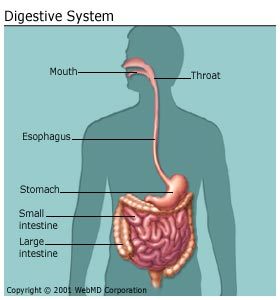
Worksheet time: 4hrs 36mins

Name
Class
Date
1.
Which organelle belongs in plant cells only?
a)
Cell Membrane
b)
Mitochondrion
c)
Chloroplast
d)
Nucleus
2.
Which organelle belongs in plant cells only?
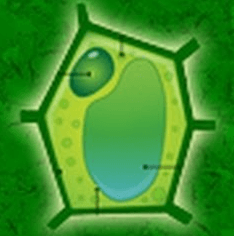
a)
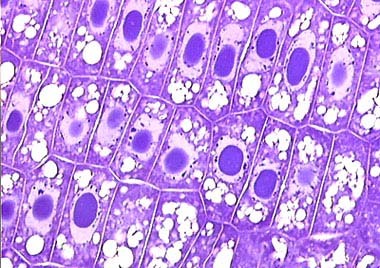
Cytoplasm
b)
Mitochondrion
c)
Cell Wall
d)
Nucleus
3.
Which organelle belongs in plant cells only?
a)
Cytoplasm
b)
Mitochondrion
c)
Large Central Vacuole
d)
Cell Membrane
4.
Which organelle belongs in both plant and animal cells?
a)
Cytoplasm
b)
Chloroplast
c)
Large Central Vacuole
d)
Cell Wall
5.
Which organelle belongs in both plant and animal cells?
a)
Chloroplast
b)
Mitochondrion
c)
Large Central Vacuole
d)
Cell Wall
6.
Which organelle belongs in both plant and animal cells?
a)
Chloroplast
b)
Cell Wall
c)
Large Central Vacuole
d)
Cell Membrane
7.
Which organelle belongs in both plant and animal cells?
a)
Chloroplast
b)
Cell Wall
c)
Large Central Vacuole
d)

Nucleus

8.

Which organelle belongs in animal cells only?

a)

Chloroplast

b)

Cell Wall

c)

Many Small Vacuole

d)

Nucleus

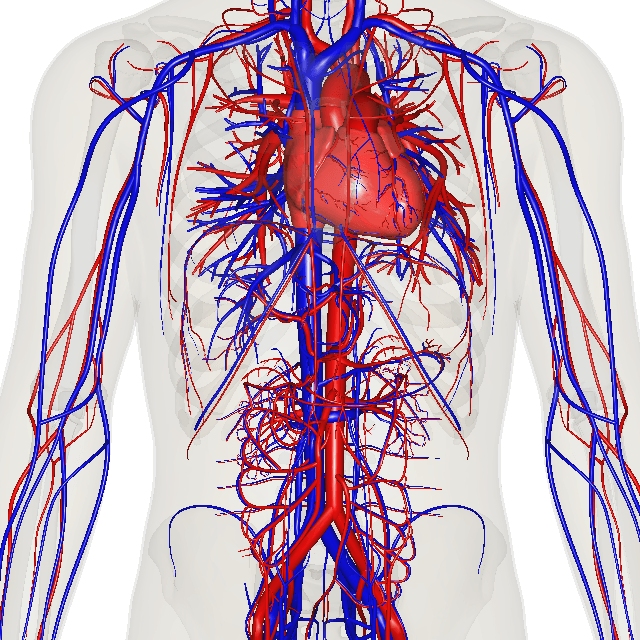
9.
Which of the following lists these levels in the correct order of organization from the simplest to the most complex?
a)
cells, tissues, organs, organ systems, organisms
b)
organisms, organ systems, organs, tissues, cells
c)
tissues, cells, organs, organisms, organ systems
d)

organs, organ systems, organisms, cells, tissues
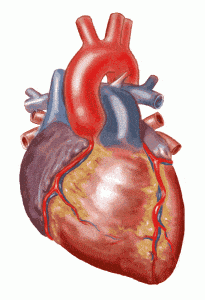
10.
Which of the following is the correct term used to describe a group of body parts such as (mouth, esophagus, stomach, small intestines, and large intestines) working together to perform a specific function?
a)
organism
b)
tissue
c)
organ system
d)
organ
11.
This is a example of ........
a)
cell
b)
organ system
c)
organ
d)
tissue
12.
 A group of cells that have similar functions? Examples are nervous, epithelial, muscle and connective
a)
cells
b)
tissues
c)
organs
d)
atoms
13.
A group of tissues that perform a similar function is called_____. (Examples include the heart, lungs or stomach)
a)
cells
b)
tissues
c)
organs
d)
organ system
14.
What organelle is called the "powerhouse" of a cell?

a)
Endoplasmic Reticulum
b)
Nucleus
c)
Mitochondria
d)
Nucleolus
15.
The ___________ is the basic unit of life
a)
organ
b)
cell
c)
atom
d)
tissue
16.
A rigid layer that lies outside the cell's  membrane is...
a)
Cytoskeleton
b)
Cilia
c)
Cell Wall
d)
Flagella
17.
What type of cell has a defined nucleus and membrane bound organelles.
a)
Bacteria
b)
Prokaryote
c)
Eukaryote
d)
Archaeabacteria
18.
What type of cell does not have a defined nucleus or membrane bound organelles.
a)

Animal Cell

b)
Prokaryote
c)
Eukaryote
d)

Plant Cell

19.
Which of the following structure can be found in a plant cell but NOT an animal cell?
a)
vacuole
b)
nucleus
c)
chloroplast
d)
mitochondria
20.
Which would be found in the cell of a sunflower plant but not in the cell of a chicken?
a)
cell wall
b)
vacuole
c)
mitochondria
d)
cell membrane
21.
Is the following a plant or animal cell or both? 
Cell Wall
a)
Plant
b)
Animal
c)
Both
22.
What is the smallest unit of life that can carry out all life functions?
a)
the nucleus
b)
the vacuole
c)
the mitochondria
d)
the cell
23.

Cell structures that perform specific functions are called

a)

tissues

b)

organs

c)

organelles

d)

organ systems

24.
Plants and animal cells both have a nucleus.
a)
True
b)
False
25.
animals have chloroplasts
a)
false
b)
true
26.
The shape of this type of cell is rectangular.
a)
plant cell
b)
animal cell
c)
bacteria cell
27.
Is this made of plant cells or
animal cells?
a)
Plant 
b)
Animal 
c)
Neither
28.
Is this made of plant cells or
animal cells?
a)
Plant
b)
Animal
c)
Neither
29.
Is this made of plant cells or
animal cells?
a)
Plant
b)
Animal
c)
Neither
30.
Which 2 organelles are in plants and animals?
a)
cell wall and cytoplasm
b)
nucleaus and plastids
c)
cell membrane and cytoplasm
d)
cell membrane and chlorophast
31.
Which of the following structure can be found in a plant cell but NOT an animal cell?
a)
vacuole
b)
nucleus
c)
chloroplast
d)
mitochondria
32.
Which one of the following organelles is not found in a an animal cell?
a)
cell membrane
b)
nucleus
c)
chloroplast
d)
endoplasmic reticulum
33.
The vacuoles in ________ cells are smaller.
a)
Animal
b)
Plant
34.
This cell can produce it's own food through photosynthesis. 
a)
Animal
b)
Plant
35.
Which organelle belongs in both plant and animal cells?
a)
Cytoplasm
b)
Chloroplast
c)
Large Central Vacuole
d)
Cell Wall
36.
Directs all cell activities "Brain or Control Center of cell"
a)
Lysosomes
b)
Nucleus
c)
ribosomes
d)
Mitochondria
37.
Jelly-like substance found inside cell that acts as a medium for chemical reactions within the cell
a)
Nuclear Membrane
b)
Golgi Body
c)
Cytoplasm
d)
Ribosome
38.
"powerhouse of the cell" breaks down sugar molecules to release energy, site of cellular respiration, double membrane, self-replicating, contains own DNA, cristae
a)
Mitochondria
b)
Chloroplast
c)
Cell Wall
d)
Vesicle
39.
"Storage tanks" Can hold food, water or waste for the cell
a)
Ribosomes
b)
Vacuole
c)
Chloroplast
d)
Nucleolus
40.
Makes proteins for the cell, can be found attached to the endoplasmic reticulum or free in the cytoplasm
a)
Cell Wall
b)
Golgi Body
c)
Ribosome
d)
Cytoplasm
41.
"Gatekeeper" Separates the cell from the rest of the environment and helps control what passes in and out of the cell.  Semi-permeable: allows some materials to pass through but not all
a)
Cell Wall
b)
Cytoplasm
c)
Mitochondria
d)
Cell Membrane
42.

Organelle that contains chlorophyll (a pigment that captures the sun's energy to produce sugar for the plant cell in a process called photosynthesis)

a)

Chloroplast

b)

Cell Membrane

c)

Cell Wall

d)

Nuclear Membrane

43.

Controls what enters and leaves the cell. Found in all cells

a)

Cell Wall

b)

Cytoskeleton

c)

Cell Membrane

d)

Nuclear Membrane

44.
What cell part is NOT found in all cells?
a)
Cell Wall
b)
Cell Membrane
c)
Cytoplasm
d)
Genetic Material
45.
As the gatekeeper, I allow some things in and out of the cell.
a)
cell wall
b)
lysosome
c)
cell membrane
d)
cytoplasm
46.

What is a Cell Wall?

a)

Made up of a liquid structure

b)

A rigid structure that surrounds the plant cell/ gives it protection

47.
Plants and animal cells both have a nucleus.
a)
True
b)
False
48.
In plant cells, I turn light energy into food and I give these cells their color.
a)
animal cells
b)
vacuole
c)
chloroplast
d)
cell wall
49.
The basic unit of structure and function in an organism.
a)
cell
b)
nucleus
c)
cytoplasm
d)
chromosomes
50.
Plant cells and animal cells...
a)
have nothing in common.
b)
are exactly the same.
c)
are a little bit alike and a little bit different.
d)
are both big.
51.
plants don't have chloroplasts
a)
true
b)
false
52.
animals have chloroplasts
a)
false
b)
true
53.
food making structure of the plant cell
a)
choroplasts
b)
cell wall
c)
vacuole
d)
cell membrane
54.
food making structure of the plant cell
a)
choroplasts
b)
cell wall
c)
vacuole
d)
cell membrane
55.
Provides extra support for the plant cell and gives in shape
a)
chlorophyll
b)
chloroplast
c)
cell wall
d)
vacuole
56.
A storage structure- in an animal cell there are many small ones, but in a plant cell there is just one large one.
a)
vacuole
b)
ribosomes
c)
golgi body
d)
chloroplast
57.
What structure is in  plant cells but not animal cells. 
a)
cell membrane
b)
mitochondria
c)
cell wall
d)
vacuole
58.
Plant Cells are circular
a)
True
b)
False
59.

Produces proteins in all cells

a)

Cell Membrane

b)

Nucleus

c)

Lysosomes

d)

Ribosomes

60.
Which of the following are NOT found in animal cells
a)
chloroplasts and cytoplasm
b)
chloroplasts and cell wall
c)
cell wall and cell membrane
d)
mitochondria and nucleus
61.
Which of the following is the correct order of organization in living things from most basic (simple) to most complex?
a)
a.  Organism, cell, tissue, organ, organ system
b)
a.  Organ system, organ, tissue, cell, organism
c)
a.  Cell, tissue, organ, organ system, organism
d)
a.  Cell, organ, tissue, organ, organism, organ system
62.
Anything that can perform life processes by itself is a/an
a)
cell
b)
organ
c)
organism
d)
organ system
63.
A group of similar cells that come together to perform a specific function is a/an
a)
organ
b)
organism
c)
organ system
d)
tissue
64.
When a group of organs work together to perform a particular function they create a/an
a)
organ system
b)
organism
c)
tissue
d)
organ
65.
The smallest level of organization of life in an organism
a)
tissue
b)
cell
c)
organ
d)
organ system
66.
The cell is the building block of all living things.
a)
True
b)
False
67.
A group of organs that work together to perform big jobs for your body is an organ system.
a)
True
b)
False
68.
Which is an example of an organism?
a)
a beetle
b)
a lake
c)
a rock
d)
a shell
69.
The basic unit of structure and function in the human body is the....
a)
organ
b)
organ system
c)
cell
d)
tissue
70.
What is the difference between a cell and a tissue?
a)
cell is basic unit of life; tissue is group of cells that work as one
b)
cell is group of tissues; tissue is basic unit of life
c)
cell is basic unit of life; tissue is groups of different cells
d)
cell is group of organs; tissue is group of different cells
71.
Tissue that works together to perform a function
a)
organ
b)
cell
c)
organ system
d)
organism
72.
What do you have when organ systems work together?
a)
organs
b)
organism
c)
cells
d)
tissue
73.
A group of cells that work together
a)
organ system
b)
organism
c)
organ
d)
tissue
74.
The heart contains different types of tissue. What level is the heart?
a)
cell
b)
organ system
c)
organ
d)
tissue
75.
The digestive system includes the stomach. What level is the stomach?
a)
organ
b)
tissue
c)
cell
d)
organism
76.
A group of different tissues working together to do a job is called a/an _____.
a)
tissue
b)
organ
c)
stem cell
d)
organ system
77.
This is a example of........ 
a)
organ system
b)
cells
c)
organ
d)
tissue
78.
This is a example of ........
a)
cell
b)
tissue
c)
organ 
d)
organ system
79.
This is a example of ........
a)
cell
b)
organ system
c)
organ
d)
tissue
80.
This is a example of ........
a)
organ
b)
organ system
c)
tissue
d)
cell
81.
A group of similar types of cells that work together to do a specific job is called a/an _____.
a)
tissue
b)
organ
c)
stem cell
d)
organ system
82.
A group of different organs working together to do a series of jobs is called a/an _____.
a)
tissue
b)
organ
c)
stem cell
d)
organ system
83.
What is the correct order of organization
a)
tissues-cells-organs-organ systems-organism
b)
cell-tissue-organs-organ systems-organism
c)
organism-cells-tissues-organ systems-organism
d)
tissues-cells-organs-organ sytems-organism
84.
When many organ systems work together it can form...
a)
organ
b)
cells
c)
organ system
d)
organism 
85.
The ___________ is the basic unit of life
a)
organ
b)
cell
c)
atom
d)
tissue
86.

The most basic level of organization in the human body

a)

tissue

b)

cell

c)

organ

d)

organ system

87.
A group of tissues that perform a similar function is called_____. (Examples include the heart, lungs or stomach)
a)
cells
b)
tissues
c)
organs
d)
organ system
88.
What is the most complex level of organization? 
a)
tissue
b)
organism 
c)
organ system 
d)
cell 
89.
What is the largest organ for the human body?
a)
heart
b)
lungs
c)
skin
d)
muscles 
90.

In most animals, combinations of various tissues make up functional units called

a)

epithelial cells

b)

organs

c)

organ systems

d)

populations

91.

the brain, spinal cord, and the nerves work together. What do they combine to form?

a)

an organ

b)

a system

c)

a cell

d)

a tissue

92.

Why is your skin considered to be an organ?

a)

it is part of an organism

b)

it is made of cells

c)

it is made of tissue

d)

it acts as a barrier

93.

The smallest unit of organization shown in the picture is a

a)

cell

b)

tissue

c)

organ

d)

organ system

94.

This is an example of

a)

Cell

b)

Tissue

c)

Organ

d)

Organ System

95.

This is an example of

a)

Tissue

b)

Organ

c)

Organ System

d)

Organism

96.

2 or more organs that work together.

a)

cell

b)

tissue

c)

organ

d)

organ system

e)

organism

97.

Groups of similar cells that work together.

a)

cell

b)

tissue

c)

organ

d)

organ system

e)

organism

98.

Which is an example of an organism?

a)

a beetle

b)

an eye

c)

a heart

d)

a shell

99.

Molecules are made up of ___________ .

a)

atoms

b)

cells

c)

organelles

d)

nothing

100.
Which of the following is an organism?
a)
air
b)
lung
c)
heart
d)
grass
101.

There are three tenets of the Cell Theory. Which of the following is NOT a tenet?

a)

Cells are the basic structure and function of life.

b)

All living things are made of one or more cells.

c)

The cell is the basic unit of matter.

d)

All cells come from preexisting cells.

102.

Cells that are only made of (a)   cell are called unicellular.

103.

The _______ is the smallest structural and functional unit of a living thing. (this will be matching on the test)

a)

cell

b)

metabolism

c)

nutrition

d)

defense

104.

Which choice is NOT part of the cell theory.

a)

All organisms are composed of cells.

b)

Cells are the basic unit of life.

c)

All cells come from previous cells.

d)

Cells are always the same size and shape.

105.

Microscopes help us see very small objects like cells in detail.

a)

True

b)

False

106.

What happened that allowed cells to be studied?

a)

Cells increased in size.

b)

Scientists began to work together.

c)

Scientists became smarter.

d)

The microscope was invented and improved.

107.

What is a benefit of the development of the cell theory?

a)

Cells have made microscopes improve.

b)

There are less biologists today.

c)

There is more diseases on Earth now.

d)

Scientists now know much more about cells and bacteria, which allows them to better treat disease.

108.
This is the most basic unit of life
a)
atom
b)
cell
c)
nucleus
d)
DNA