
Font size
 Worksheets
3rd 9 Weeks Biology Review
Total questions: 40
Worksheet time: 33mins
If the diploid number of carrots is 18, the haploid number is
18
9
27
36

The products of meiosis are genetically...
different.
identical.
Identify a purpose of meiosis. Select all that apply.
Produce gametes for reproduction.
Repair damaged or dead cells.
Reduce the chromosome number.
Growth of organisms from birth to adulthood.
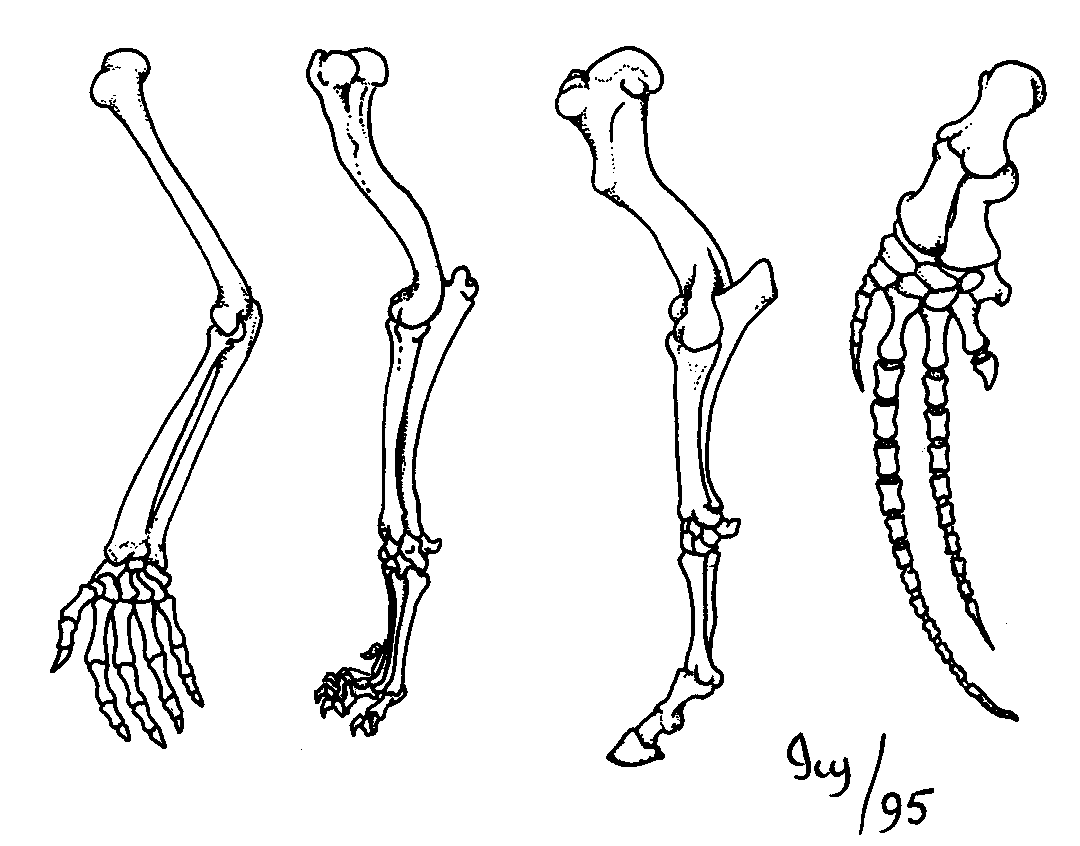


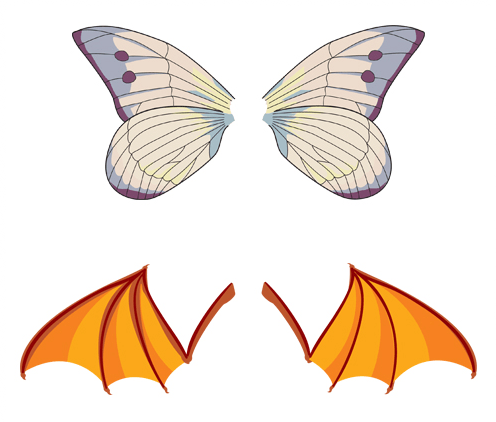
What is this an example of?
Homologous structure
Analogous structure
Vestigial organs
Functional adaption

Similarities in bone arrangements, like those in the picture, support the hypothesis that...
these organisms are not well adapted
these organisms share a common ancestor
these organisms all share the same DNA sequences
these organisms are members of the same species
Ctenodiscus crispatus (Mud Starfish)

The part of the plant
that is generally
under the ground
and in the soil
Reproductive System
Transpiration
Shoot System
Root System

The tubes and support that transport water
and nutrients up, down and around in plants
Vascular System
Shoot System
Root System
Reproductive System

In general, leaves, roots, stems and flowers
Plant Systems
Plant Cells
Plant Organs
Plant Organisms

Vascular tissue (tubes) responsible for the transportation of water and minerals up from the roots and around the plant.
Stomata
Transpiration
Phloem
Xylem

Vascular tissue (tubes) responsible for the transportation of glucose down and around in a plant.
Transpiration
Xylem
Phloem
Root Hairs

The process of water movement in plants
due to evaporation out the stomata
and absorption of water through the root hairs
Active Transport
Transpiration
Stomata
Guard Cells

Pores under leaves
that allow for transpiration
and gas exchange
Xylem
Stomata
Phloem
Transpiration

Two cells that regulate the size of the stomata depending on temperature and
water conditions
Phloem
Xylem
Stomata
Guard Cells

A large number of elongated cells that
grow out from the roots. They absorb water and minerals from the soil
via osmosis.
Root Hairs
Stomata
Guard Cells
Pholem

The plant hormone response to the
force of gravity
Phototropism
Geotropism
Thigmotropism
Transpiration

The plant hormone response to light
Transpiration
Thigmotropism
Geotropism
Phototropism

The plant hormone response to touch
Thigmotropism
Geotropism
Phototropism
Transpiration
What is the function of a root?
Where pollination occurs
Absorbs water and nutrients for the plant
Produces food
What is the functions of a stem?
Absorbs water and nutrients
Produces pollen
Transports water and nutrients

The diagram show the reproductive system of a plant. Which of the following best describes the interaction that occurs between a plants reproductive arts during fertilization?
Pollen is released from the anther and is transferred to the stigma. A pollen tube forms and grows through the style. The pollen tube reaches the filament, where the sperm fertilizes the egg.
Pollen moves from the ovule up through the stule and is released from the stigma. The pollen is transferred to the anther, where the sperm fertilizes the egg.
Pollen is released from the anther and is transferred to the stigma. A pollen tube forms and grows through the style. The pollen tube reaches an ovule within the ovary, where the sperm fertilizes the egg.
Pollen is released from the anther and is transferred to the stigma. A pollen tube forms and grows through the style. The pollen tube reaches an ovule within the filament, where the sperm fertilizes the egg.
The internal transport of water and minerals in plants requires that two systems work together. Which correctly describes how the two systems accomplish this task?
absorption through the root system, then transport through the shoot system by vascular tissue and stomata in leaf tissue
exchange of minerals for water in the root system, then transport of minerals through phloem to leaves in the stem system
transpiration by the guard-cell and leaf systems, then sweating into the soil by the root system
absorption of water by the leaf system, then transport through the meristematic system

Structures represented in the illustration below are found in the lower epidermis of a plant leaf. The illustration at right shows the response to a certain environmental condition. The response represented in the illustration would most likely be caused by --
a reduced supply of oxygen
long periods of rainfall
high concentrations of glucose
little available water

Several structures work together to allow flowering plants to reproduce. The diagram shows a typical flower. Which table correctly identifies the function of each structure or group of structures in the reproduction of a plant?
X-pollen production, Y-pollen transfer, Z-production of eggs
X-attraction of pollinators, Y-production of male sex cells, Z-egg production and embryo development
X-protection for embryo, Y-supply nourishment to embryo, Z-place of embryonic development
X-photosynthesis, Y-production of cells that protect internal organs, Z-production of egg and sperm
Auxins are plant hormones that help regulate growth. Sunlight stimulates auxins on the shaded side of the stem causing the plant to grow faster on that side. This pushes the stem towards sunlight. This response is known as:
geotropism
transpiration
phototropism
thigmotropism

