wayground logo

Free Printable Worksheets

NEW

Font size

S
M
L
XL
Worksheets

Electromagnetic Waves Review-8th grade

Total questions: 59

Worksheet time: 55mins

Name
Class
Date
1.

What is the definition reflection?

a)

The bending of waves as they enter a new medium

b)

Bouncing back of waves from a surface that it can’t pass through

c)

The bending of waves as they pass through openings or around corners

d)

When two interfering waves have a displacement in the same direction, two crests and two troughs overlap. Increased amplitude.

2.

What is the definition of Refraction?

a)

The bending of waves as they enter a new medium

b)

When two interfering waves have a displacement in the opposite direction, crest and trough overlap. Zero amplitude.

c)

When two interfering waves have a displacement in the same direction, two crests and two troughs overlap. Increased amplitude.

3.

Rainbows are made by...

a)

water

b)

rain

c)

Water droplets act as prisms to separate white light into the ROYGBIV spectrum

4.
Which of the figures represents reflection?
a)
A
b)
B
c)
C
d)
D
5.
Which of the following represents refraction?
a)
A
b)
B
c)
C
d)
D
6.
Refraction occurs when _____________
a)
the wave's speed changes by entering a new medium
b)
a wave bounces off of a boundary
c)
waves parts meet each other
d)
waves bend around a barrier
7.
When a sound wave experiences reflection, we hear
a)
a louder sound
b)
an echo
c)
a quieter sound
d)
nothing
8.
When standing in the sun this behavior allows you to warm up as light and other waves hit your clothes. 
a)
Reflection
b)
Refraction
c)
Absorption
d)
Transmission
9.
You can see this text, your desk, and the person in front of you because light is being _______.
a)
absorbed
b)
refracted
c)
diffracted
d)
reflected
10.
Which object would be the best at reflecting light waves?
a)
windows
b)
mirrors
c)
notebooks
d)
tables
11.

As light travels through a lens it causes an object to appear larger, this is due to which behavior?

a)

Transmission

b)

Reflection

c)

Absorption

d)

Refraction

12.

Which of the pictured is responsible for us being able to see objects?

a)

Transmission

b)

Reflection

c)

Refraction

d)

Scattering

e)

Absorption

13.
This is an example of a __________ mirror.
a)
Concave
b)
Convex
c)
Plane
d)
Magnifying
14.
The point where the rays meet is known as....
a)
Fire
b)
the focal point
c)
refraction
d)
Plane of the lens
15.
This is an example of a _____________ mirror
a)
Concave
b)
Convex
c)
Plane
d)
Magnifying
16.
The following is a picture of what type of mirror? 
a)
Convex Mirror
b)
Concave Mirror
c)
Plane Mirror
d)
Flat Mirror
17.
The following is a picture of what type of mirror? 
a)
Convex Mirror
b)
Concave Mirror
c)
Plane Mirror
d)
Flat Mirror
18.
a flat sheet of glass that has a smooth, silver-colored coating on one side
a)
plane mirror
b)
concave mirror
c)
convex mirror
d)
solid mirror
19.
Convex mirrors cause light to spread out.
a)
True
b)
False
20.
A mirror with a flat surface is a plane mirror.
a)
true
b)
false
21.
Which of the mirrors is used as rear view mirror in vehicles?
a)
Concave
b)
Convex
c)
Plane
22.
Which window is opaque?
a)
Window 1
b)
Window 2
c)
Window 3
d)
None
23.
........... – the angle between the normal and the reflected ray.
a)
Angle of incidence
b)
Angle of reflection
c)
Angle of coincidence
d)
Angle of direction
24.
Law of reflection state that - The angle of incidence is .................. to the angle of reflection.
a)
equal
b)
double
c)
half
25.
What is B?
a)
Angle of incidence
b)
Angle of reflection
c)
Incident ray
d)
Reflected ray
26.
What is C?
a)
Angle of incidence
b)
Angle of reflection
c)
Incident ray
d)
Reflected ray
27.
What does the word "converging" mean?
a)
to separate
b)
to come together
c)
parallel 
d)
perpendicular
28.
A converging lens is also known as a ____ lens.
a)
convex
b)
concave
c)
double
d)
refracted
29.
_____ is a lens that is thicker in the middle and makes an object appear bigger.
a)
prism
b)
convex lens
c)
concave lens
d)
mirror
30.
Which one is a convex lens?
a)
A
b)
B
31.

Light rays that hit a convex mirror ____ as they are reflected.

a)

magnify

b)

diverge

c)

unite

d)

disappear

32.

Light travels

a)

around corners

b)

in straight lines

c)

in zig zags

d)

only when its warm

33.

When light continues to pass through an object without changing its path

a)

reflect

b)

transmit

c)

absorb

d)

refract

34.

An object that allows SOME light to pass through, but not all of it. Objects appear fuzzy/blurry on the other side

a)

translucent

b)

transparent

c)

opaque

d)

optical

35.

An object that allows NO light to pass through which creates a shadow behind the object

a)

opaque

b)

transparent

c)

translucent

d)

translated

36.

An object that allows ALL light to pass through clearly and easily

a)

translucent

b)

opaque

c)

transparent

d)

reflect

37.

The bending of waves around a barrier.

a)

refraction

b)

diffraction

c)

resonance

38.

Which diagram represents specular reflection?

a)

A

b)

B

39.

Which diagram represents diffuse reflection?

a)

A

b)

B

c)

C

d)

D

40.

what waves do we not see?

a)

all

b)

none

c)

all but visible

d)

uv rays only

41.
Which electromagnetic waves have the highest frequencies and the shortest wavelengths?
a)
microwaves
b)
visible light
c)
gamma rays
42.
Which electromagnetic waves are used in ovens and cell phone communications?
a)
Infrared rays
b)
ultraviolet rays
c)
microwaves
43.
Which type of waves are used in broadcasting?
a)
radio waves
b)
infrared rays
c)
x-rays
44.
Electromagnetic waves that help your body produce vitamin D are called?
a)
ultraviolet rays
b)
x-rays
c)
gamma rays
45.
For waves in any medium, as the wavelength decreases, what happens to the frequency?
a)
It also decrease
b)
It stays the same
c)
It increases
46.
How much of the electromagnetic spectrum is made up of visible light?
a)
only a small portion
b)
a very l;arge portion
c)
about half
47.
Which of the following has wavelengths longer than microwaves?
a)
Infrared waves
b)
Radio waves
c)
Visible light
48.
Which electromagnetic waves help doctors detect broken bones inside your body?
a)
gamma rays
b)
x-rays
c)
ultraviolet rays
49.
Which of the following lists the electromagnetic waves in order of increasing wavelength?
a)
X-rays, visible light, radio waves
b)
gamma rays, microwaves, UV rays
c)
infrared rays, radio waves, x-rays
50.
Which electromagnetic waves are used in devices such as heat lamps & TV remote controls?
a)
ultraviolet rays
b)
microwaves
c)
infrared rays
51.
Which of the following lists the electromagnetic waves in order of decreasing frequency?
a)
X-rays, microwaves, infrared rays
b)
UV rays, visible light, x-rays
c)
infrared rays, microwaves, radio waves
52.
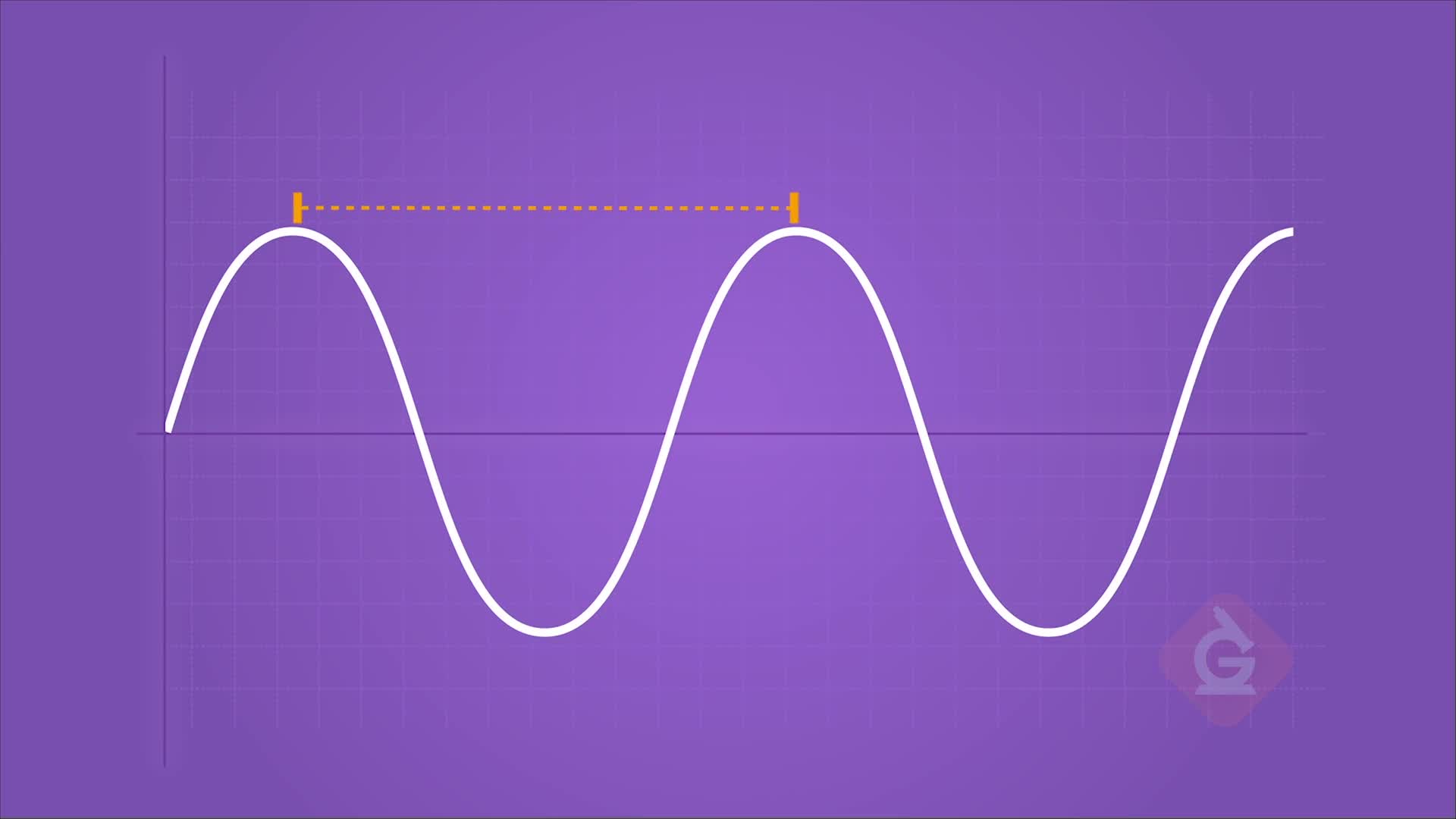
What is the distance from the peak of one wave to the next peak?
a)
Amplitude
b)
Frequency
c)
Period
d)
Wavelength
53.
These high-energy waves are given off by radioactive materials.
a)
Gamma
b)
Microwaves
c)
Radio
d)
Ultraviolet
54.
These waves are used to send signals, including WiFi and text messages.
a)
Gamma
b)
Microwaves
c)
Radio
d)
Ultraviolet
55.
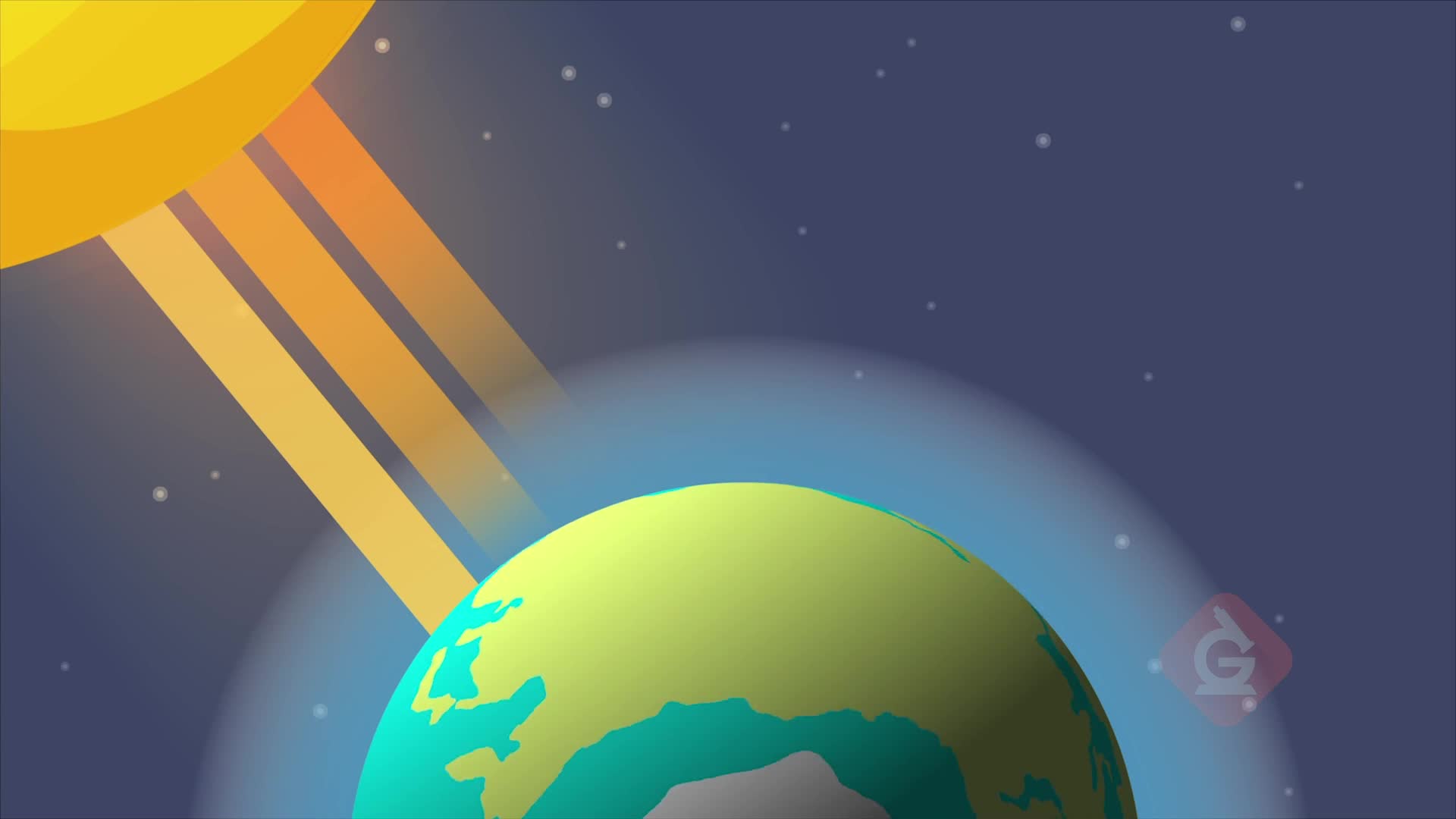
These waves from the sun cause sunburn.
a)
Gamma
b)
Microwaves
c)
Radio
d)
Ultraviolet
56.
Select the correct order of waves on the EMS 
a)
Radio, Micro, Infra, Visible, Ultra, X-ray, Gamma
b)
Gamma, X-ray, Ultra, Vis, Infra, Micro, Radio
c)
Vis, Micro, Infra, Ultra, X-ray, Gamma, Radio
d)
Micro, Radio, Vis, Infra, Ultra, X-ray, Gamma
57.
Which has the LONGEST wavelength and, therefore, the lowest frequency/energy
a)
Gamma Rays
b)
Radio Waves
c)
Visible Light
d)
Infrared rays
58.
Which section of the spectrum is the ONLY one we can see?
a)
X-rays
b)
Visible Light
c)
Gamma Rays
d)
Ultraviolet Rays
59.
As the frequency of an electromagnetic wave increases, the amount of energy in that wave...
a)
increases.
b)
decreases.
c)
stays the same.