wayground logo

Free Printable Worksheets

NEW

Font size

S
M
L
XL
Worksheets

Rock Cycle Quizizz

Total questions: 60

Worksheet time: 30mins

Name
Class
Date
1.
When rocks are broken down into smaller pieces
a)
erosion
b)
weathering
c)
sediment
2.

When water, ice and wind move particles of rock and soil from one place to another

a)

sedimentation

b)

weathering

c)

erosion

3.
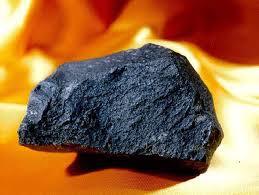
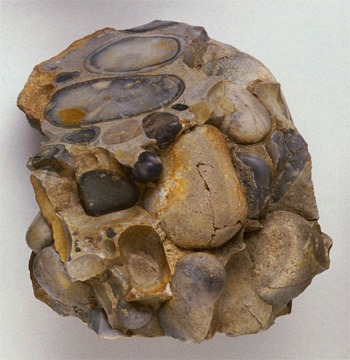
This rock was formed by smaller pieces of rock that settled at the bottom of a lake millions of years ago. What type of rock is this?
a)
Sedimentary
b)
Igneous
c)
Metamorphic
4.
This rock started as molten magma. What type of rock is this?
a)
Sedimentary
b)
Igneous
c)
Metamorphic
5.
This rock was another type of rock that was heated and compressed over time. What type of rock is this?
a)
Sedimentary
b)
Igneous
c)
Metamorphic
6.
What are the 3 major types of rocks?
a)
Igneous, Metamorphic, Sedimentary
b)
Metamorphic, Igneous, Cementation
c)
magma, lava, crystals
7.
The name rock is given when it is broken down into smaller pieces.
a)
texture
b)
weathering
c)
sediment
d)
erosion
8.
Which type of rock forms from extreme heat and pressure?
a)
Igneous
b)
Sedimentary
c)
Organic
d)
Metamorphic
9.
Which type of rock results from melting and cooling of magma?
a)
Igneous
b)
Metamorphic
c)
Sedimentary
d)
Extrusive
10.
A metamorphic rock changes into an igneous rock by what two processes?
a)
Melting and cooling
b)
Extreme heat and pressure
c)
Compaction and cementation
d)
Weathering and erosion
11.
What is the MAIN way rocks are classified?
a)
Their color and shapes
b)
How they form
c)
Mineral bands
d)
Where they form
12.
True/False: Igneous rocks can only turn into metamorphic rocks.
a)
True
b)
False
13.
The process in which dissolved minerals crystallize and glue sediment together.
a)
compaction
b)
deposition
c)
organic rock
d)
cementation
14.
When sediments are pressed together tightly, this is called ____________.
a)
Compaction
b)
Cementation
c)
Weathering
d)
Erosion
15.
This rock was found near the mouth of a volcano. What type of rock is this?
a)
Sedimentary
b)
Igneous
c)
Metamorphic
16.
This rock was formed by smaller pieces of rock that settled at the bottom of a lake millions of years ago. What type of rock is this?
a)
Sedimentary
b)
Igneous
c)
Metamorphic
17.
This rock started as lava that cooled and then was heated and put under pressure over time. What type of rock is this?
a)
Sedimentar
b)
Igneous
c)
Metamorphic
18.
This rock started as molten magma. What type of rock is this?
a)
Sedimentary
b)
Igneous
c)
Metamorphic
19.
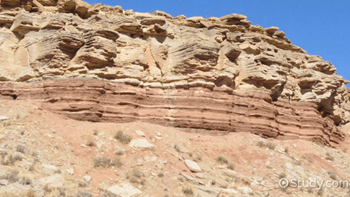
This rock is made from tiny pieces of other rocks that settled to the bottom of a valley millions of years ago. What type of rock is this?
a)
Sedimentary
b)
Igneous
c)
Metamorphic
20.

This rock was molten magma that slowly cooled under the ground. What type of rock is this?

a)

Sedimentary

b)

Igneous

c)

Metamorphic

21.
This rock cooled on the outside of a volcano and contained air bubbles when it was forming. What type of rock is this?
a)
Sedimentary
b)
Igneous
c)
Metamorphic
22.
After lots of time, pressure, and heat, you get this kind of rock. What type of rock is this?
a)
Sedimentary
b)
Igneous
c)
Metamorphic
23.
Each rock type can follow only one pathway of the rock cycle.
a)
True
b)
False
24.
Fossils are often found in ____________ because it is formed from the remains of once living things.
a)
metamorphic
b)
magma
c)
igneous
d)
sedimentary
25.
This rock was formed by lots of fossils that settled on top of each other over time. What type of rock is this?
a)
Sedimentary
b)
Igneous
c)
Metamorphic
26.

What is a dormant volcano?

a)

molten rock

b)

the center of a volcano

c)

will never erupt again

d)

a volcano that is sleeping, but could erupt agian

27.

What is magma?

a)

pieces of the Earth's crust

b)

molten rock inside of a volcano

c)

small rock

d)

plates that meet

28.
A dead volcano is called what?
a)
active
b)
dormant
c)
extinct
29.

In a volcano, magma collects in a packet called ________.

a)

Magma flow

b)

Magma chamber

c)

Magma pipe

d)

Hot spot

30.

An opening on the Earth's crust through which hot molten rock flows out from deep inside the Earth.

a)

Volcano

b)

Fault line

c)

Fold

d)

Crater

31.

Volcanoes that can erupt at any time

a)

Active Volcano

b)

Dormant Volcano

c)

Extinct Volcano

d)

Composite Volcano

32.

Volcanoes that are “resting” but can wake up and erupt

a)

Active Volcano

b)

Dormant Volcano

c)

Extinct Volcano

d)

Composite Volcano

33.

Volcanoes that are dead but are unlikely to ever wake up

a)

Active Volcano

b)

Extinct Volcano

c)

Dormant Volcano

d)

Composite Volcano

34.

Melted rock that is found below ground

a)

Dirt

b)

Lava

c)

Volcano

d)

Magma

35.

Melted rock that flows out of a volcano onto land

a)

Magma

b)

Lava

c)

Viscosity

d)

Dirt

36.
A type of rock that forms from the cooling of molten rock at or below the surface of the Earth
a)
Igneous Rock
b)
Metamorphic Rock
c)
Sedimentary Rock
d)
Chemical Rock
37.
Is lava above or below ground
a)
below
b)
above
38.

Fine-grained igneous rocks with small crystals formed from

a)

rapidly cooling lava

b)

slowly cooling magma

39.

Coarse-grained igneous rocks with large crystals formed from

a)

rapidly cooling lava

b)

slow cooling magma

40.

What factors can lead to the formation of a sedimentary rock?

a)

melting and solidification

b)

extreme heat and pressure

c)

compaction and cementation

41.
Rock made of layers of compressed sediments
a)
metamorphic rock
b)
igneous rock
c)
sedimentary rock
d)
school house rock
42.
The process in which dissolved minerals crystallize and glue sediment together.
a)
cementation
b)
deposition
c)
organic rock
43.
The process by which running water, wind, or ice carry away bits of broken-up rock
a)
weathering
b)
sediment
c)
erosion
d)
cememtation
44.
The process by which running water, wind, or ice carry away bits of broken-up rock
a)
weathering
b)
sediment
c)
erosion
d)
cememtation
45.
Small pebbles, pieces of other rock, and sand are called?
a)
weathering
b)
sediment
46.

Which formation process do most sedimentary rocks follow?

a)

cementation, compaction, deposition, erosion

b)

erosion, compaction, cementation, deposition

c)

erosion, deposition, compaction, cementation

47.

Sedimentary rocks form from the _________________ and _______________________ of sediments

a)

cooling and crystallizing

b)

compaction and cementation

c)

heating and pressure

48.

Sedimentary rocks are

a)

formed form already existing rocks that are weathered,

eroded, compacted and cemented together

b)

cooled on the surface of the Earth from lava

c)

formed below Earth's surface as magma

d)

formed from great heat and pressure

49.

This processes presses sediments together:

a)

heat

b)

cementation

c)

compaction

d)

weathering

50.

This process "glues" the particles of sediment together:

a)

cementation

b)

compaction

c)

calcification

d)

weathering

51.

This process "glues" the particles of sediment together:

a)

cementation

b)

compaction

c)

calcification

d)

weathering

52.
Metamorphic rocks form from ___.
a)
igneous rocks
b)
other metamorphic rocks
c)
sedimentary rocks
d)
all types of rocks
53.
When metamorphic rocks are formed, the extreme heat is usually caused by the _______.
a)
gravity in the atmosphere
b)
collision of tectonic plates
c)
the fiery hot magma in the Earth's mantle
d)
weight of the mountains
54.
How do metamorphic rocks form? 
a)
Heat and Pressure
b)
Compaction & Cementation
c)
Cooling of Magma
d)
Sediments & Glue
55.
Morph means what?
a)
change
b)
alter
c)
switch
d)
rearrange
56.
The deeper a rock is buried, the greater the pressure is on it
a)
True 
b)
False
57.
True / False: Metamorphic rocks can be metamorphosed more than once.
a)
True
b)
False
58.
Any rock formed when another rock is changed by heat or __________ is a metamorphic rock.
a)
pressure
b)
arrangement
59.
Metamorphic rock can form out of other metamorphic rock.
a)
true
b)
false
60.
The deeper a rock is buried in the crust, the greater the pressure on that rock.
a)
true
b)
false