wayground logo

Free Printable Worksheets

NEW

Font size

S
M
L
XL
Worksheets

Weather & Climate Test 1 Review

Total questions: 62

Worksheet time: 1hrs 24mins

Name
Class
Date
1.

What does condense mean?

a)

cause a gas or vapor to change to a liquid

b)

a collection of water or ice particles in the air

c)

a thin “feather-like” cloud that forms high in the atmosphere

d)

tool used to measure temperature

2.

What does evaporate mean?

a)

a tiny drop

b)

gases required for breathing

c)

water on the surface of the Earth such as streams, rivers, oceans, and lakes

d)

to change into a gas or steam

3.

What is a cloud?

a)

tool used to measure temperature

b)

a thin flat cloud that is low in the atmosphere

c)

the amount of moisture in the air

d)

a collection of water or ice particles in the air

4.

What are the characteristics of a Cumulus cloud?

a)

thick cloud with round top and flat base

b)

a repeated sequence of events

c)

a thin “feather-like” cloud that forms high in the atmosphere

d)

a thin flat cloud that is low in the atmosphere

5.

What are the characteristics of a Stratus cloud?

a)

thick cloud with round top and flat base

b)

a thin “feather-like” cloud that forms high in the atmosphere

c)

natural movement of air

d)

a thin flat cloud that is low in the atmosphere

6.

What are the characteristics of Cirrus cloud?

a)

thick cloud with round top and flat base

b)

a thin flat cloud that is low in the atmosphere

c)

a thin “feather-like” cloud that forms high in the atmosphere

d)

water on the surface of the Earth such as streams, rivers, oceans, and lakes

7.

What is surface water?

a)

to change into a gas or steam

b)

the amount of moisture in the air

c)

water on the surface of the Earth such as streams, rivers, oceans, and lakes

d)

tool used to measure temperature

8.
How do clouds form?
a)
Liquid water is heated and evaporates and becomes water vapor in the atmosphere.
b)
Water vapor in the atmosphere cools and condenses to become tiny liquid water droplets in the atmosphere.
c)
Tiny liquid water droplets float upwards and gather together in the atmosphere to form a cloud.
d)
Magic
9.
The picture shows what type of cloud? 
a)
Cirrus
b)
Stratus
c)
Cumulus
10.
What kind of clouds are most likely to produce thunderstorms?
a)
cumulonimbus
b)
cirrus
c)
cumulus
d)
stratus
11.
Which cloud is NOT high up in the atmosphere?
a)
cirrus
b)
cumulus
c)
cirrocumulus
d)
cirrostratus
12.
The picture shows what type of cloud? 
a)
Cirrus
b)
Stratus
c)
Cumulus
13.

What kind of weather would you expect if you see cumulonimbus clouds forming?

a)

fair weather (nice)

b)

thunderstorms

c)

rain coming later

d)

long periods of rain

14.
Which cloud is this?
a)
cumulus
b)
cumulonimbus
c)
cirrus
d)
stratus
15.

The prefix NIMBO means:

a)

curls of hair

b)

heap

c)

layers

d)

rain

16.

The prefix CUMULUS means:

a)

curls of hair

b)

heap

c)

layers

d)

rain

17.

The prefix STRATUS means:

a)

curls of hair

b)

heap

c)

layers

d)

rain

18.

What is the elevation of clouds with prefix ALTO ?

a)

High altitude

b)

Middle altitude

c)

Low altitude

19.

78% of the Earth's atmosphere is ___________ and 21% of the Earth's atmosphere is _____________.

a)

Oxygen, Nitrogen

b)

Nitrogen, Oxygen

c)

Nitrogen, Carbon Dioxide

d)

Oxygen, Carbon Dioxide

20.

In what layer of the atmosphere do all weather events occur?

a)

Stratosphere

b)

Exosphere

c)

Mesosphere

d)

Troposphere

21.

In the troposphere, the temperature _____ as altitude increases.

a)

Increases

b)

Decreases

c)

Stays the same

d)

Goes up and down

22.

As altitude increases, air pressure....

a)

Increases

b)

Decreases

c)

Stays the same

d)

Goes up and down

23.

The ozone layer is a sublayer of the ________ layer.

a)

Troposphere

b)

Stratosphere

c)

Exosphere

d)

Mesosphere

24.

Why is the ozone layer vital to life on Earth?

a)

Planes fly in the ozone layer

b)

It is made up of oxygen (O2)

c)

It shields the Earth from ultraviolet (UV) rays from the sun

d)

It causes clouds to be created

25.

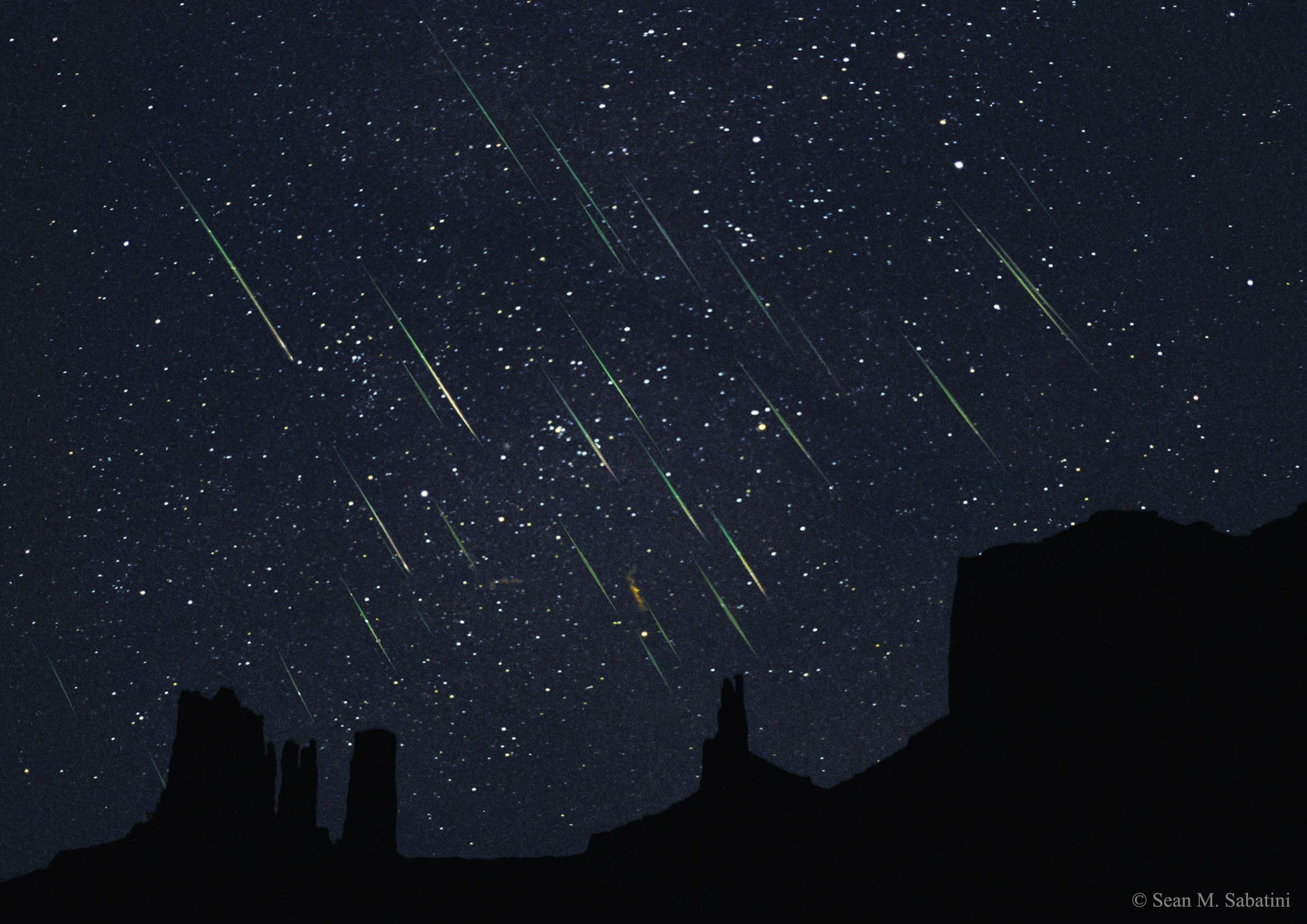
In which layer of the atmosphere do meteors burn up?

a)

Troposphere

b)

Mesosphere

c)

Thermosphere

d)

Exosphere

26.

This layer is the hottest layer of the atmosphere?

a)

Troposphere

b)

Stratosphere

c)

Mesosphere

d)

Thermosphere

27.

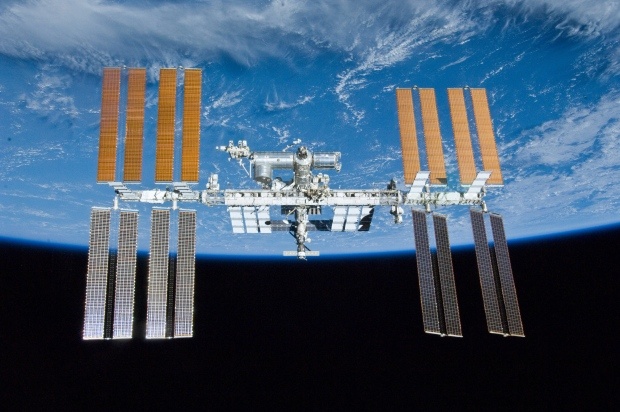
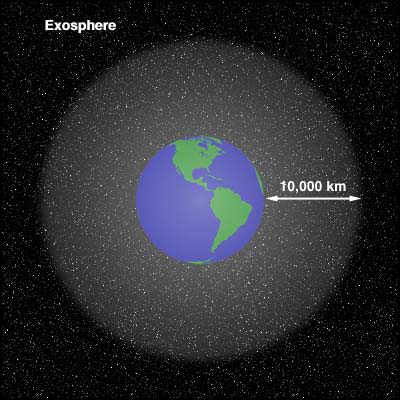
This layer is the outermost layer of the atmosphere. Satellites orbit the atmosphere in this layer.

a)

Exosphere

b)

Mesosphere

c)

Thermosphere

d)

Ozone Layer

28.

What is the order of the layers of the atmosphere, starting with the layer closest to Earth's surface?

a)

Stratosphere, Troposphere, Exosphere, Mesosphere, Thermosphere

b)

Troposphere, Stratosphere, Mesosphere, Thermosphere, Exosphere

c)

Troposphere, Stratosphere, Mesosphere, Exosphere, Thermosphere

d)

Troposphere, Stratosphere, Thermosphere, Exosphere, Mesosphere

29.

What layer of the atmosphere has the highest air pressure?

a)

Troposphere

b)

Stratosphere

c)

Exosphere

d)

Mesosphere

30.

What layer of the atmosphere has the lowest air pressure?

a)

Troposphere

b)

Stratosphere

c)

Exosphere

d)

Mesosphere

31.

Which atmospheric layer is the Aurora Borealis located in?

a)

Troposphere

b)

Mesosphere

c)

Exosphere

d)

Thermosphere

32.
The water cycle has no start or end.
a)
true
b)
false
33.
Which of the following processes occurs when water vapor changes into a liquid?
a)
precipitation
b)
evaporation
c)
condensation
d)
infiltration
34.
Which of the following processes occurs when water vapor changes into a liquid?
a)
precipitation
b)
evaporation
c)
condensation
d)
infiltration
35.

Which of the following terms identifies the phase change from a liquid to gas?

a)

evaporation

b)

condensation

c)

precipitation

36.

Which of the following terms identifies the phase change from a liquid to gas?

a)

evaporation

b)

condensation

c)

precipitation

37.
The flow of water from rain, snow melt, or other sources over land is known as _?_.
a)
runoff
b)
infiltration
c)
precipitation
d)
condensation
38.
What is it called when plants give off water vapor as a waste product?
a)
condensation
b)
evaporation
c)
infiltration
d)
transpiration
39.
Which phase change does this image show?
a)
transpiration
b)
melting
c)
condensation
d)
evaporation
40.

What is the main source of energy that causes water to evaporate from the surface of Earth?

a)

Lightning

b)

The Sun

c)

Gravity

d)

The Wind

41.
The gas that is most abundant in the atmosphere is
a)
oxygen
b)
nitrogen
c)
carbon dioxide
d)
argon
42.
In which layer of the atmosphere does weather occur?
a)
Mesosphere
b)
Thermosphere
c)
Stratosphere
d)
Troposphere
43.
The hottest layer of the atmosphere is the ________________.
a)
troposphere
b)
thermosphere
c)
exosphere
d)
mesosphere
44.
Which layer is the outermost layer?
a)
troposphere
b)
thermosphere
c)
exosphere
d)
mesosphere
45.
This is the layer where meteors, or shooting stars, burn up.
a)
Troposphere
b)
Stratosphere
c)
Mesosphere
d)
Thermosphere
46.
What gas from the list below is a cause for global warming?
a)
Urethane
b)
Oxygen
c)
Carbon Dioxide
47.
What is the greenhouse effect?
a)
The warming of a planet due to trapped radiation.
b)
The cooling of Earth due to air pollution.
c)
The heating of a solid, such as a rock.
48.
This is an image demonstrating...
a)
Tornado Formation
b)
The Greenhouse Effect
c)
Hurricane Formation
49.

Which is one cause of Global Warming?

a)

Burning Fossil Fuels

b)

Pollution from factories

c)

Both are causes for Global Warming

50.
 Which of the following activities contributes the most to carbon emissions globally?
a)
Deforestation
b)
Agriculture
c)
Burning fossil fuels
d)
Respiration
51.
Which of the following are greenhouse gases?
a)
Carbon dioxide
b)
Methane
c)
Water vapor
d)
All answers are correct
52.
True or False: All of the radiation from the Sun is absorbed by the Earth
a)
True
b)
False
53.
The gas that is most abundant in the atmosphere is
a)
oxygen
b)
nitrogen
c)
carbon dioxide
d)
argon
54.
The gas that is the second most abundant in the atmosphere is
a)
oxygen
b)
nitrogen
c)
carbon dioxide
d)
argon
55.
The Earth acts like a greenhouse that catches and traps heat from the sun.
a)
true
b)
false
56.
Where is the ozone located?
a)
troposphere
b)
stratosphere
c)
mesosphere
d)
thermosphere
57.
What happens to the temperature if more greenhouse gases are released into the atmosphere?
a)
Temperature goes up
b)
Temperature goes down
58.
Without the Greenhouse Effect the Earth would be
a)
warm 
b)
cold
c)
dead
59.
In which layer of the atmosphere does weather occur?
a)
Mesosphere
b)
Thermosphere
c)
Stratosphere
d)
Troposphere
60.
The hottest layer of the atmosphere is the ________________.
a)
troposphere
b)
thermosphere
c)
exosphere
d)
mesosphere
61.
Which layer is the outermost layer?
a)
troposphere
b)
thermosphere
c)
exosphere
d)
mesosphere
62.
This is the layer where meteors, or shooting stars, burn up.
a)
Troposphere
b)
Stratosphere
c)
Mesosphere
d)
Thermosphere