Wayground logo

Free Printable Worksheets

Font size

S
M
L
XL
Worksheets

Ecology

Total questions: 47

Worksheet time: 17mins

Name
Class
Date
1.

ALL organisms get their energy either directly or indirectly from

a)

Eating Animals

b)

Eating Chick-fil-a

c)

Doing Photosynthesis

d)

The Sun

2.

Organisms in a community are classified based on

a)

How they get energy

b)

What species they are

c)

How many legs they have

d)

How fast they move

3.

The process that plants use to make their own food

a)

Respiration

b)

Food chain

c)

Photosynthesis

d)

Glucose

4.

An organism that eats only plants

a)

Herbivore

b)

Plantivore

c)

Omnivore

d)

Decomposer

5.

An organisms that eats both plants and animals

a)

Herbivore

b)

Carnivore

c)

Omnivore

d)

Scavenger

6.

An organism that captures and eats animals

a)

Herbivore

b)

Carnivore

c)

Omnivore

d)

Scavenger

7.

These organisms get their energy from dead or decaying organism; they are mostly fungi and bacteria

a)

Producers

b)

Consumers

c)

Carnivores

d)

Decomposers

8.

A model that shows the simple movement of energy from one organism to another

a)

Energy Pyramid

b)

Food Chain

c)

Food Cycle

d)

The Sun

9.

Food chains always start with a

a)

Producer

b)

Consumer

c)

Decomposer

10.

Which organism is the tertiary consumer?

a)

Carrot

b)

Rabbit

c)

Fox

d)

Lion

11.

A unit consisting of living organisms and the environment that they live in.

a)

Ecosystem

b)

Species

c)

Food Web

d)

Population

12.

The flow of energy from the sun through producers to consumers and decomposers through multiple pathways.

a)

Food Web

b)

Food Chain

c)

Ecosystem

d)

Habitat

13.

A living thing that can function on its own

a)

Organism

b)

Producer

c)

Consumer

d)

Abiotic

14.

What happens to mice if there are fewer insects?

a)

The mouse population would decrease

b)

It will not affect the mice.

c)

The mice population will increase

15.

Energy that moves through a food chain starts with

a)

The Sun

b)

An Animal

c)

Energy

d)

Nutrients

16.
What is the role of a producer?
a)
Use sunlight to make food
b)
Gain energy from eating other organisms
c)
Keep other species from overpopulating
d)
Breaking down dead stuff 
17.
What's the role of consumers in a food chain?
a)
Use sunlight to make food 
b)
Eat other species and keep them from overpopulating
c)
Break down dead stuff
d)
Add nutrients to the soil
18.
What is the role of decomposers in a food chain?
a)
Use sunlight to make food
b)
Eat other organisms to gain energy
c)
Make the food for the whole food chain
d)
Break down dead organisms and add nutrients to the soil
19.

Which of the following organisms is in competition with the weasel for their food source?

a)

Grass

b)

Rabbit

c)

Fox

d)

Snake

20.
An energy pyramid represents what?
a)
How much sunlight is available for the ecosystem to use. 
b)
How much energy a particular organism needs. 
c)
How much energy is needed to build a pyramid. 
d)
The amount of energy available to the next 'feeder' in a food web.
21.
Multiple organisms of the same species describes a
a)
organism
b)
population
c)
community
d)
ecosystem
22.
A forest full of many kinds of trees and grasses is an example of a
a)
group
b)
organism
c)
population
d)
community
23.
Which is an example of an organism?
a)
a beetle
b)
a lake
c)
a rock
d)
a shell
24.
Which is an example of an ecosystem?
a)
Jungle animals
b)
forest plants
c)
The tundra
d)
Savanna temperatures
25.
which is another word for an organism?
a)
abiotic factor
b)
biotic factor
c)
nonliving thing
26.
An organism that needs to eat other organisms to obtain energy is known as a:
a)
Autotroph
b)
Producer
c)
Consumer
d)
Mutualist
27.
What does a food web represent?
a)
All connections of energy flow throughout all organisms in a habitat.
b)
The specific ways that mutualism is carried out.
c)
A single pathway or energy flow between organisms. 
d)
How carnivores get their food. 
28.
relationship in which two species live closely together
a)
resource
b)
mutualism
c)
succession
d)
symbiosis
29.
In this Food Web Pyramid Which type of consumer gets only 10% of the energy stored in plants?
a)
Herbivore
b)
Carnivore
c)
Omnivore
d)
Secondary Consumer
30.
What is the term for each step in the transfer of energy and matter within a biological community?
a)
energy path
b)
food web
c)
trophic level
d)
food pyramid
31.
The amount of energy that usually transfers from one trophic level to the next...
a)
10%
b)
20%
c)
80%
d)
50%
32.
Cattle egrets forage (feed) in fields among cattle. The egret gets easy access to flying insects stirred up by the cattle, and the cattle don't care if they are there or not.
a)
mutualism
b)
commensalism
c)
competition
d)
parasitism
33.
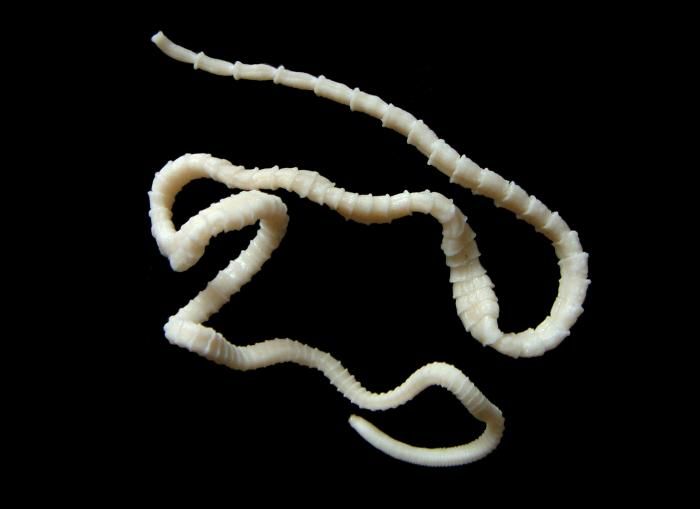
A tapeworm and a cat have this type of relationship.
a)
mutualism
b)
parasitism
c)
commensalism
d)
competition
34.
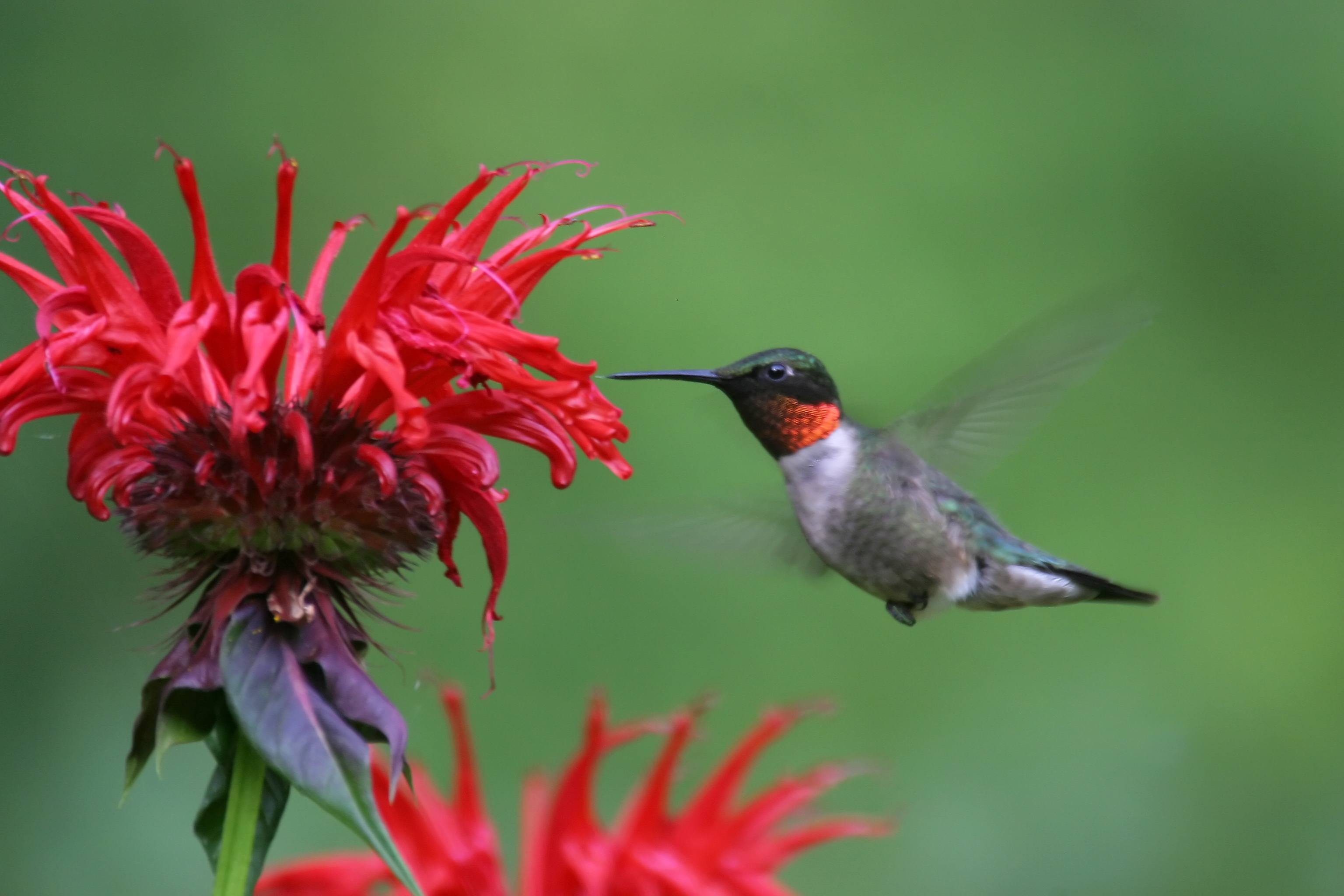
What type of symbiosis?  Hummingbirds feed on nectar from flowers.  The flowers are pollinated by hummingbirds as they move from flower to flower.
a)
commensalism
b)
mutualism
c)
parasitism
d)
predation
35.

Aphids are tiny insects that live on and eat the leaves of plants, removing vital nutrients from the plants.

a)

Predation

b)

Parasitism

c)

Commensalism

d)

Mutualism

36.
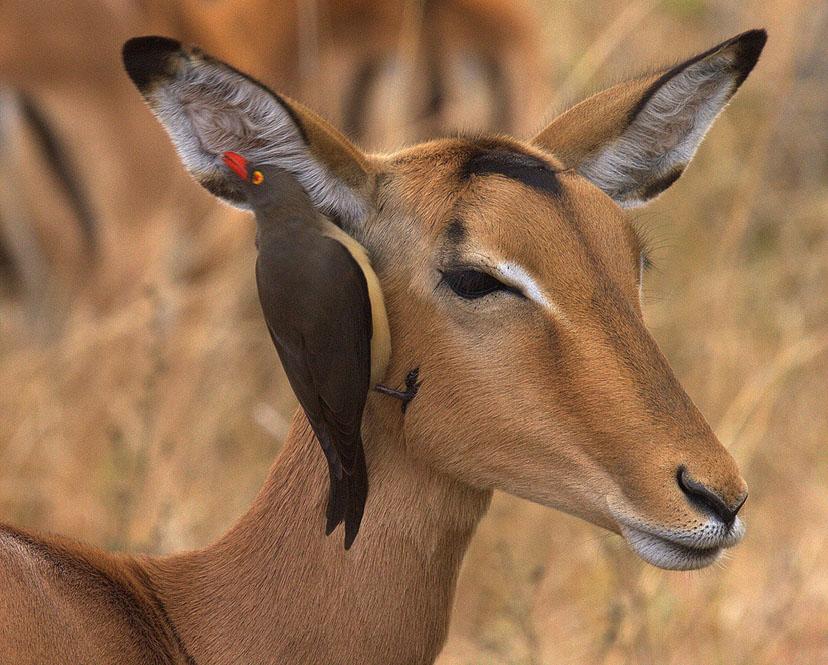
Red-billed oxpeckers are birds that often feed on parasites that infest impala.  This is an example of _______.
a)
commensalism
b)
mutualism
c)
neutralism
d)
competition
37.
Barnacles create home sites by attaching themselves to whales. This neither harms nor benefits the whales.  What kind of relationship is this?
a)
Mutualism 
b)
Parasitism 
c)
Commensalism 
38.
A relationship between two organisms in which both organisms benefit. 
a)
Mutualism 
b)
Competition
c)
Parasitsm 
d)
Commensalism 
39.
The part of Earth where organisms can live.
a)
biotic factors
b)
biosphere
c)
ecology
d)
biology
40.
Temperature is an example of what kind of factor?
a)
Biotic 
b)
abiotic
c)
dead
d)
living
41.

What would most likely happen if an ecosystem no longer received sunlight?

a)

The number of herbivores would increase

b)

The number of plants would increase

c)

all organisms would adapt

d)

All living organisms would eventually die

42.
Temperature, light, air, water, and soil are all  _____  parts of the environment
a)
alive
b)
biotic 
c)
abiotic
d)
living
43.

Something that limits the size of a population.

a)

Carrying Capacity

b)

Abiotic Factor

c)

The X factor

d)

Limiting Factor

44.

The role of an organism in its ecosystem is called the organism's __________.

a)

Job

b)

Niche

c)

Leading role

d)

Habitat

45.
Which organism gets its energy by eating sea otters?
a)
Sea urchins
b)
Sea Stars
c)
Sharks
d)
Large crabs
46.
Which of the following organisms is a primary or first level consumer?
a)
Sea Urchins
b)
Small herbivorous fishes and invertebrates
c)
Sharks
d)
Sea Otters
47.
Which organism in the food web is a producer?
a)
Mouse
b)
Owl
c)
Green Plant
d)
Snake