
Font size
 Worksheets
First 10 Amendments
Total questions: 77
Worksheet time: 53mins
What's the first amendment?
Freedom of religion
Freedom of speech
Right to bear arms
The right to be silent
What's the fourth amendment?
The right to bear arms
freedom of speech
No unreasonable searches or seizures
trial be jury
What's the second amendment?
the right to remain silent
freedom of speech
trial by jury
the right to bear arms
What's the fifth amendment?
Freedom of religion
The right to remain silent
trial by jury
What amendment prevents the government from placing troops in private homes. This was a real problem during the American Revolutionary War.
The seventh
the tenth
the third
the fifth
Which amendment gives a speedy trial
The sixth
the ninth
the fifth
the third
What's the seventh amendment?
freedom of speech
provides that civil cases also be tried by jury (trial by jury)
the right to remain silent
Which amendment gives you the right to no harsh or unusual punishments
the fourth
the ninth
the second
the eighth
What's the ninth amendment?
no one’s Constitutional rights should be used to infringe upon the rights of another citizen.
provides each state with powers that are not specifically assigned to the nation’s government in the Constitution.
protects Americans from unreasonable and unlawful search and seizure of property.
freedom of speech, freedom of press, freedom of assembly, and the right to protest.
What's the tenth amendment?
provides a speedy and public trial by jury for all who are accused of a crime.
provides each state with powers that are not specifically assigned to the nation’s government in the Constitution.
right to bear arms
soldiers cannot take over a home during war or peace without the homeowner’s permission.
This amendment grants protection against unreasonable searches and seizures.
1st Amendment
4th Amendment
7th Amendment
12th Amendment
This amendment grants the right to a speedy trial by jury
1st Amendment
5th Amendment
6th Amendment
7th Amendment
This amendment grants protection against double jeopardy and self-incrimination. Ensures due process and establishes eminent domain.
1st Amendment
5th Amendment
6th Amendment
8th Amendment
This amendment protects against cruel or unusual punishment and excessive bail
13th Amendment
8th Amendment
6th Amendment
5th Amendment

What amendment are the depicted policemen violating?
4th Amendment
13th Amendment
1st Amendment
6th Amendment
Ben was prosecuted and convicted in state court for speaking out publicly against the governor. During his trial, he was denied the counsel of a lawyer. Two years later, the U.S. Supreme court overturned his conviction, explaining that the state had not guaranteed Ben's constitutional rights. What amendments are involved in this?
2nd and 6th amendments
1st and 5th amendments
9th and 10th amendments
1st and 6th amendments
Brendan is accused of armed robbery and given a trial. The jury finds Brendan not guilty. The next day the prosecutor decides that the verdict was not correct, and he orders Brendan arrested and tried for the crime again. What amendment protects Brendan from being tried again?
7th Amendment
5th Amendment
8th Amendment
6th Amendment
Mike is in his house watching television when two police officers knock at the door. They accuse Mike of having stolen property, enter the house, and take several things that they say do not belong to Mike. When he asks if the police officers have permission to take his things, they just laugh and leave with the property. What amendment protects Mike against this?
4th Amendment
10th Amendment
8th Amendment
1st Amendment
Timmy does not like a law that the state legislature has passed. He decides that he will petition the state because of this. A few days after he sends his petition, his arrested for his petition. What amendment protects Timmy?
2nd Amendment
1st Amendment
5th Amendment
3rd Amendment
Liam owns a hunting rifle he uses to go hunting. He has all of the correct licenses and papers, yet he is still arrested for owning a gun. What amendment protects Liam?
2nd Amedment
1st Amendment
5th Amendment
8th Amendment
Which amendment was added because of the British forcing the colonists to quarter troops?
4th amendment
3rd amendment
1st amendment
8th amendment
What is the term that describes the rights you have if you are accused of a crime examples of this would be a trial by jury, right to call witnesses, and fair punishments?
suffrage
eminent domain
due process
double jeopardy
Which of the following is the correct description of the amendment process?
Proposed by 3/4 of state legislatures and Ratified by 2/3 of Congress
Proposed by 2/3 of Congress and Ratified by 3/4 of state legislatures
Proposed by 3/4 of Congress and Ratified by 2/3 of state legislatures
Proposed by 2/3 of the Senate and Ratified by 3/4 of the House of Representatives
Which Amendment states that any power not granted to the federal government by the Constitution shall be reserved to the states or people?
7th
8th
9th
10th
What was the Anti-Federalists’ greatest concern about ratifying the U.S. Constitution?
The lack of a federal court system
The lack of legislative veto power
The lack of a strong military
The lack of a bill of rights
The statement below appeared in a 1787 essay by James Winthrop.
"It is impossible for one code of laws to suit Georgia and Massachusetts"
What does this statement reflect?
Federalist views
Anti-Federalist views
a cause of Shay's Rebellion
a cause of the Great Compromise
An Anti Federalist believed...
There should be a weak central government
There should be a powerful central government
A federalist....
Wanted a strong Executive Branch- Executive Branch has more authority than the other branches of government.
Supported the idea of Checks and Balances
An anti-federalist
Supported checks and balances, separation of powers
Wanted the executive branch to have ultimate power


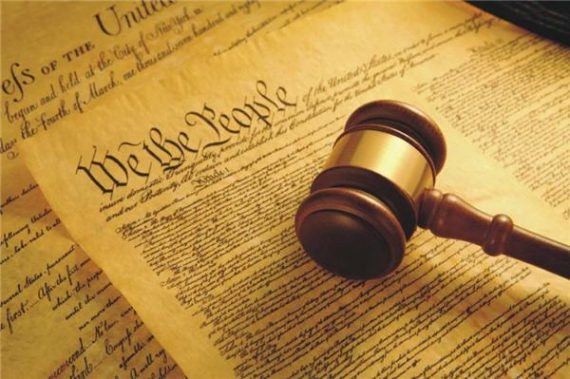
What is it called when the U.S. Supreme Court decides whether something is legal or illegal (unconstitutional)?
supreme court review
due process
segregation
judicial review
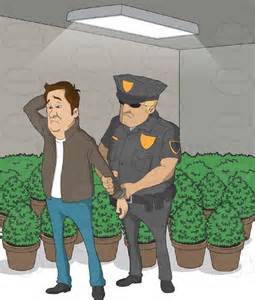
Suspects cannot be questioned (interrogated) until they are informed of their rights (right to remain silent, right to an attorney, etc.)
Brown v Board of Education
Miranda v Arizona
Tinker v Des Moines
Bush v Gore
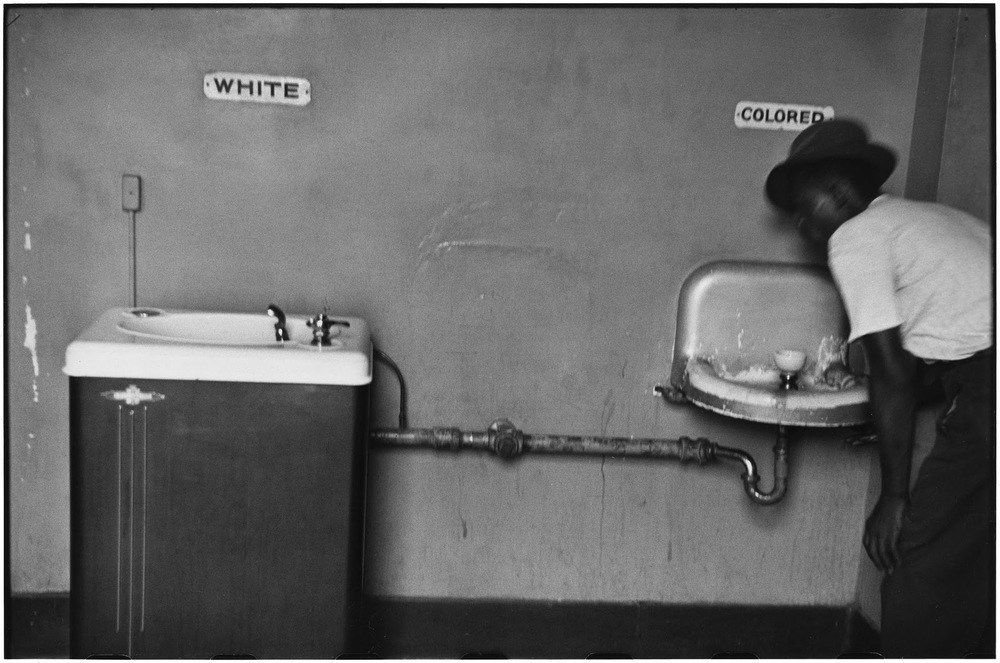
Established “Separate but Equal”, which provided separate public facilities for both whites and blacks as long as they were equal.
District of Columbia v Heller
In Re Gault
Brown v Board of Education
Plessy v Ferguson
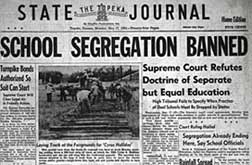
Ruled that “Separate but Equal” was Unconstitutional.
Hazelwood v Kuhlmeier
Marbury v Madison
Plessy v Ferguson
Brown v Board of Education
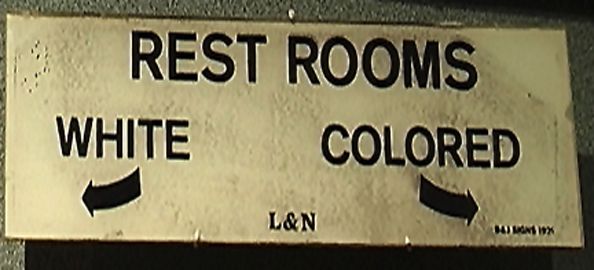
Legal or social separation of races.
Segregation
Lobbying
Boycotting

Students have the right to free speech at school as long it doesn’t disrupt school activities. (wearing black armbands in protest)
In Re Gault
District of Columbia v Heller
Hazelwood v Kuhlmeier
Tinker v Des Moines


What is the name of Article 1, Section 8, Clause 18 of the U.S. Constitution known as?
Necessary and Proper Clause
Supremacy clause
Delegated powers
Bill of Rights
What is the other name for the Necessary and Proper Clause?
Elastic Clause
Supremacy Clause
Bill of Rights
Enumerated powers


What is the system of Government do we have in the United States?
Republic
Autocracy
Federalism
Monarcy
Which constitutional principle is applied when police inform suspects of their rights?
eminent domain
due process of law
trial by jury
double jeopardy

A crime punishable by death
due process
search warrant
bail
capital
a group of people who have been chosen to listen to the facts of a trial in a law court and to decide whether a person is guilty or not guilty
mercenary
search warrant
jury
milita
It is difficult to amend the constitution because the framers wanted to make sure _____.
changes were only made when absolutely necessary
no one ever changed the Constitution
hardly anyone got a say
the President got all the say
To amend the constitution means to ____________ it.
change
approve
veto
disagree with
Which branch of government may propose amendments
Judicial
Executive
Bureaucracy
Legislative
Which group would believe that it would be impossible for the Constitution to serve all types of people in America?
Federalists
Anti-Federalists
Senators
Judges
Who believed that separation of powers would protect the people and that the Constitution didn't need a Bill of Rights.
Anti-Federalists
Legislators
Federalists
the President
How many state legislatures must ratify a proposed amendment to add it to the Constitution?
15
25
38
50
What is an amendment?
An amendment is a change in the Constitution. It takes a lot for Congress to make a change or add to the constitution.
An amendment declares war.
It is a peace deal.
The Constitution can never be changed.
What are the first 10 amendments to the U.S Constitution called?
Declaration of Independence
Bill of Rights
The First 10 Amendments
Preamble

