wayground logo

Free Printable Worksheets

NEW

Font size

S
M
L
XL
Worksheets

Unit 3 Review: The Sun

Total questions: 44

Worksheet time: 22mins

Name
Class
Date
1.
The sun converts matter into energy in the
a)
corona.
b)
radiative zone
c)
convection zone
d)
core
2.
Most of the sun’s energy is a result of
a)
nuclear fusion  
b)
nuclear fission
c)
atomic reactions
d)
coronal mass ejection
3.
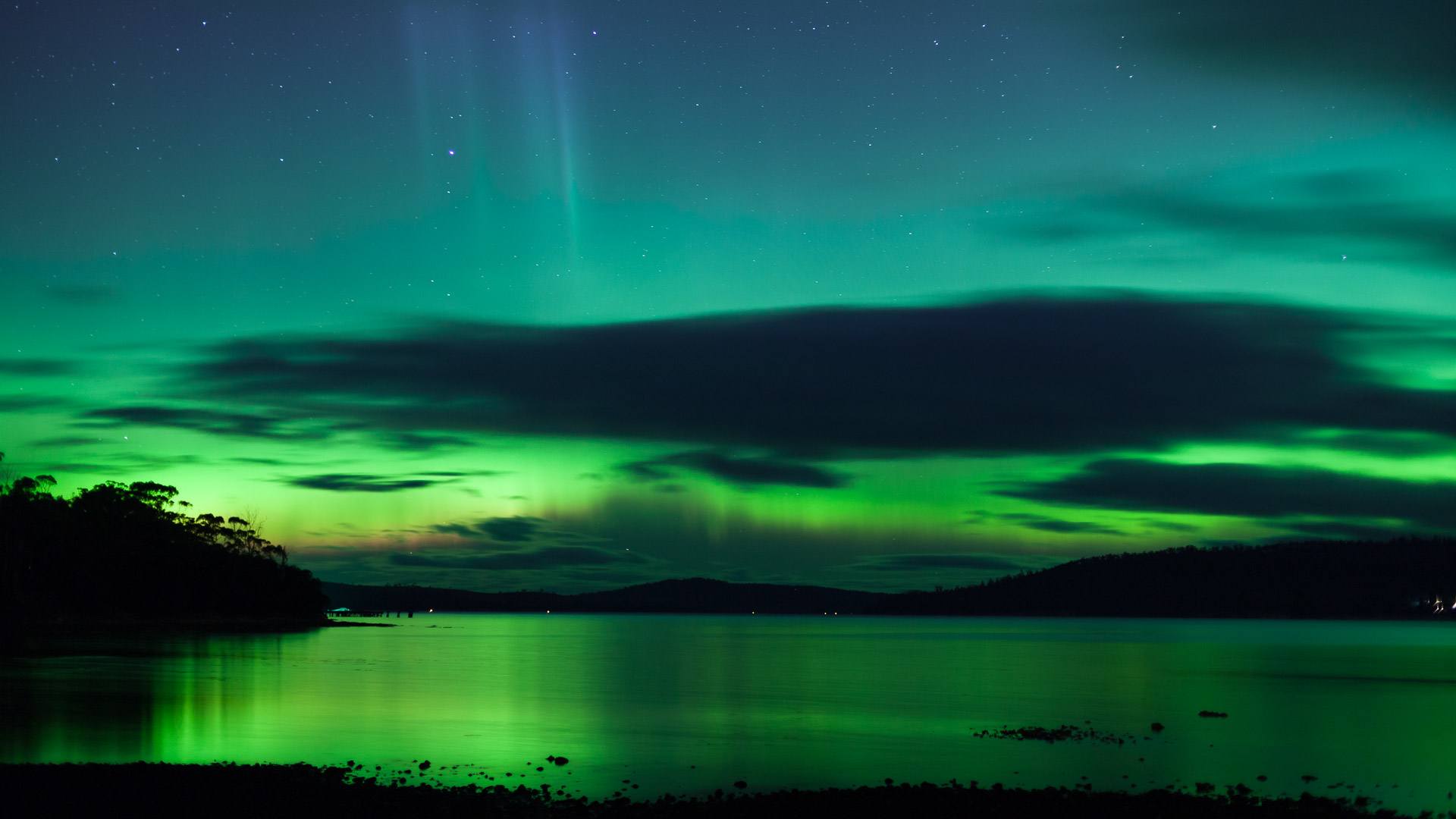
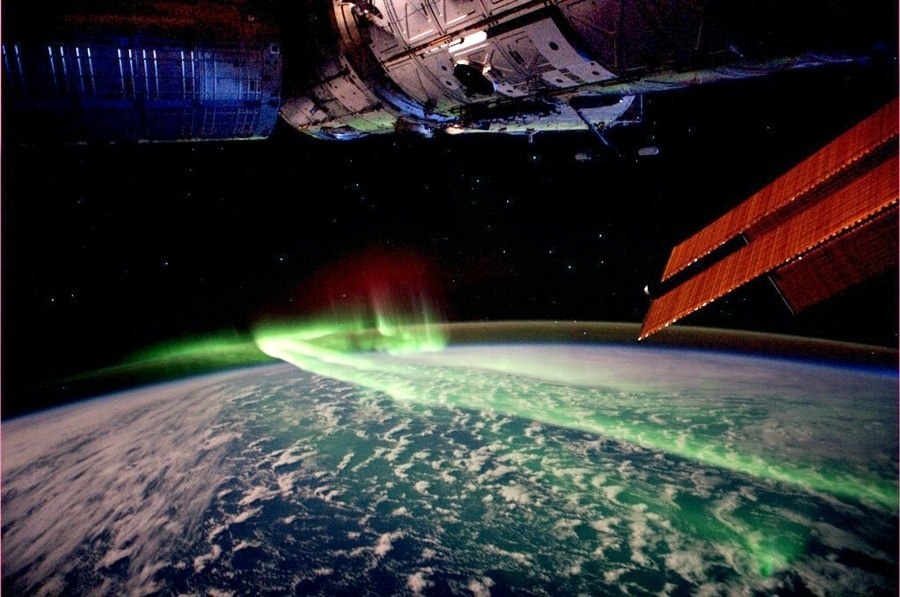
Auroras are frequently seen
a)
near the equator.
b)
before a sunspot cycle.
c)
every 11 years.
d)
after solar flares.
4.
Which of the following is NOT a solar ejection?
a)
solar flare
b)
prominence
c)
sunspot
d)
coronal mass ejection
5.
Sunspots vary in a cycle that lasts about
a)
110 yrs
b)
11,000 yrs
c)
11 yrs
d)
110,000 yrs
6.
Strong magnetic fields on regions of the sun lead to sunspots because
a)
convection slows and energy decreases.
b)
convection increases and energy increases.
c)
radiation slows and energy decreases.
d)
radiation increases and energy increases.
7.
What is the hottest layer of the sun’s atmosphere called?
a)
convective zone
b)
corona
c)
radiative zone
d)
photosphere
8.
What elements make up most of the sun’s mass?
a)
carbon and oxygen
b)
carbon and hydrogen
c)
helium and nitrogen
d)
hydrogen and helium
9.
Particles thrown off the sun’s corona that can affect Earth’s magnetic field are called
a)
a coronal mass ejection.
b)
a coronal mass reflection
c)
nuclear fusion
d)
sunspots
10.
During nuclear fusion in the sun, which of the following occurs?
a)
Atomic nuclei split apart.
b)
The aurora australis appears.
c)
hydrogen nuclei combine to produce a helium nucleus.
d)
A solar eclipse results
11.
What is a prominence on the sun?
a)
a part of the sun’s corona, a cloud of colored gas
b)
a disturbance in the sun’s atmosphere; an arched, glowing cloud of gas
c)
a part of the convective zone, a cool area with powerful magnetic fields
d)
a magnetic disruption in the sun’s photosphere
12.
What are northern lights?
a)
Auroras
b)
solar flares
c)
prominences
d)
coronas
13.

Sunspots are

a)

large flares of energy that loop back to the sun's surface.

b)

magnetic areas on the sun's surface that appear darker because they are a lower temperature than surrounding areas.

c)

bursts of energy that flash off the sun's surface.

14.

photosphere

a)

outermost surface of the sun emitting light we see; outermost layer of sun's atmosphere visible only to us during solar eclipse

b)

visible layer of the sun emitting light we see; lowest layer of sun's atmosphere

c)

hottest part of the sun; produces energy through nuclear fusion

15.

solar wind

a)

occurs when corona sends out electrically charged particles

b)

occurs when photosphere sends out electrically charged particles

c)

occurs when core sends out electrically charged particles

16.
How long does it take energy to pass through the radiation zone?
a)
12 minutes
b)
100 year
c)
10,000 years
d)
100,000 years
17.

In which area of the sun does gas rise as it heats up, then fall back down as it cools?

a)

the core

b)

the radiative zone

c)

the convective zone

d)

the corona

18.
When we look at the sun, what layer are we viewing?
a)
photosphere
b)
chromosphere
c)
corona
d)
convection zone
19.
What layer of the sun's atmosphere gives the sun its "white halo" during a solar eclipse?
a)
chromosphere
b)
photosphere
c)
corona
d)
atmosphere
20.
The sun converts matter into energy in the
a)
corona.
b)
radiative zone
c)
convection zone
d)
core
21.
Label part 1
a)
#1 Core
b)
#1 Radiation zone
c)
#1 Convection zone
d)
#1 Photosphere
22.
Label part 6
a)
#6 Prominences
b)
#6 Corona
c)
#6 Sunspots
d)
#6 Photosphere
23.
Label part 5
a)
#5 Chromosphere
b)
#5 Radiation zone
c)
#5 Convection zone
d)
#5 Photosphere
24.
Label Part 3
a)
#3 Chromosphere
b)
#3 Radiation zone
c)
#3 Convection zone
d)
#3 Photosphere
25.
Label Part 2
a)
#2 Core
b)
#2 Radiation zone
c)
#2 Convection zone
d)
#2 Corona
26.
The Earth's axis is tilted _____ degrees.
a)
23.5
b)
25.3
c)
30.2
d)
24
27.
At position A, which hemisphere would have summer?
a)
Northern hemisphere
b)
Southern hemisphere
28.
The term equinox means....
a)
equal amount of day light and equal amount of night
b)
Equal amount of winter and summer
c)
Equal amounts of hot dogs for everyone
d)
The longest day of the year
29.
What is the longest day of the year?
a)
winter solstice
b)
summer solstice
c)
fall equinox
d)
spring equinox
30.
Why is the Equator warmest?
a)
Because it is closest to the sun.
b)
Because it receives the most direct sunlight
c)
Because no clouds form here.
d)
Because it is far from the sun
31.
Why is it warmer in the summer?
a)
Closer to the sun
b)
More direct light from Earth's tilt
c)
Stronger light from the sun
d)
Earth spins slower
32.
What does the rotation of the earth cause us to experience?
a)
seasons
b)
year
c)
day & night
d)
eclipse
33.
How long does it take the earth to revolve once around the sun?
a)
12 hours
b)
24 hours
c)
30 days
d)
365.25 days
34.

Near which Pole does the aurora australis occur?

a)

North

b)

South

c)

East

d)

West

35.

Another name for aurora borealis is the "_______________ Lights."

a)

Northern

b)

Southern

c)

Eastern

d)

Western

36.

The auroras are created when particles from the ________ crash into and mix with gases in Earth's upper atmosphere.

a)

Sun

b)

Moon

c)

Meteors

d)

Clouds

37.
At which date below would you predict planet Earth would experience the most auroras?
a)
2020
b)
2014
c)
2009
d)
1990
38.

What two forces affect gravity?

a)

mass and inertia

b)

mass and distance

c)

mass and force

d)

mass and weight

39.
What forces cause a planet to orbit?
a)
gravity and orbit
b)
gravity and inertia
c)
gravity and mass
d)
gravity and weight
40.
What would happen to the planets in the solar system if the sun’s gravitational force were to suddenly disappear?
a)
They will stop moving and become static.
b)
They will stop spinning.
c)
They will fly away in straight lines.
d)
They will start moving toward the Sun
41.

The density of gas in a collapsing interstellar cloud is low at first, but ____________________draws matter together until it is concentrated enough to form a star and possibly planets.

a)

space

b)

mass

c)

gravity

d)

dust

42.

The rotating disk surrounding the young Sun became our

a)

moon

b)

planet

c)

comet

d)

solar system

43.

Early astronomers thought that the Sun, planets, and stars orbited a stationary Earth . This is known as the __________________ model of the solar system.

a)

Heliocentric

b)

Disk

c)

Geocentric

d)

Kepler

44.

In the heliocentric model, what is at the center of the solar system?

a)

Earth

b)

Mars

c)

The moon

d)

The Sun