
 Worksheets
Mock exam - class 5: EVS
Total questions: 91
Worksheet time: 1hrs 11mins
Many similar cells join together to form a/an _______
Organ
Tissue
Organ system
Organism
Which waste does our lung produce?
Oxygen
Carbondioxide
Air
Nitrogen
Which pipe connects mouth and stomach?
Wind pipe
PVC Pipe
Food pipe
Stomach
Number of bones present in our body.
206
302
185
184
Tiny tubes that carry blood through the body.
Nerves
Blood Vessels
Arteries
Veins
Where does the process of digestion begin?
mouth
esophagus
stomach
small intestine
Where does the absorption of nutrients from food take place?
stomach
liver
small intestine
large intestine

Which is the esophagus?
A
B
C
D
E
What does the respiratory system release?
oxygen
glucose
carbon dioxide
ATP
The "windpipe" is known as the
alveoli
esophagus
trachea
bronchi
A small flap of tissue that covers the trachea is called the
bronchi
larynx
pharynx
epiglottis
Where is carbon dioxide and oxygen exchanged at capillaries?
trachea
larynx
alveoli
bronchi
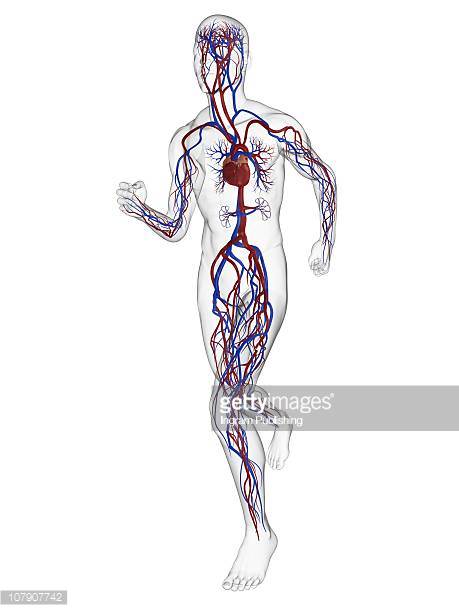
What is the main organ of the circulatory system?
small intestine
bone
lungs
heart
Veins carry oxygen poor blood back to the heart.
False
True


The facial skeleton has how many bones?
6
8
12
14
What do bones need to grow?
candy
water
green vegetables
calcium
What bone is connected to the ribs?
sternum
humerus
femur
mandible
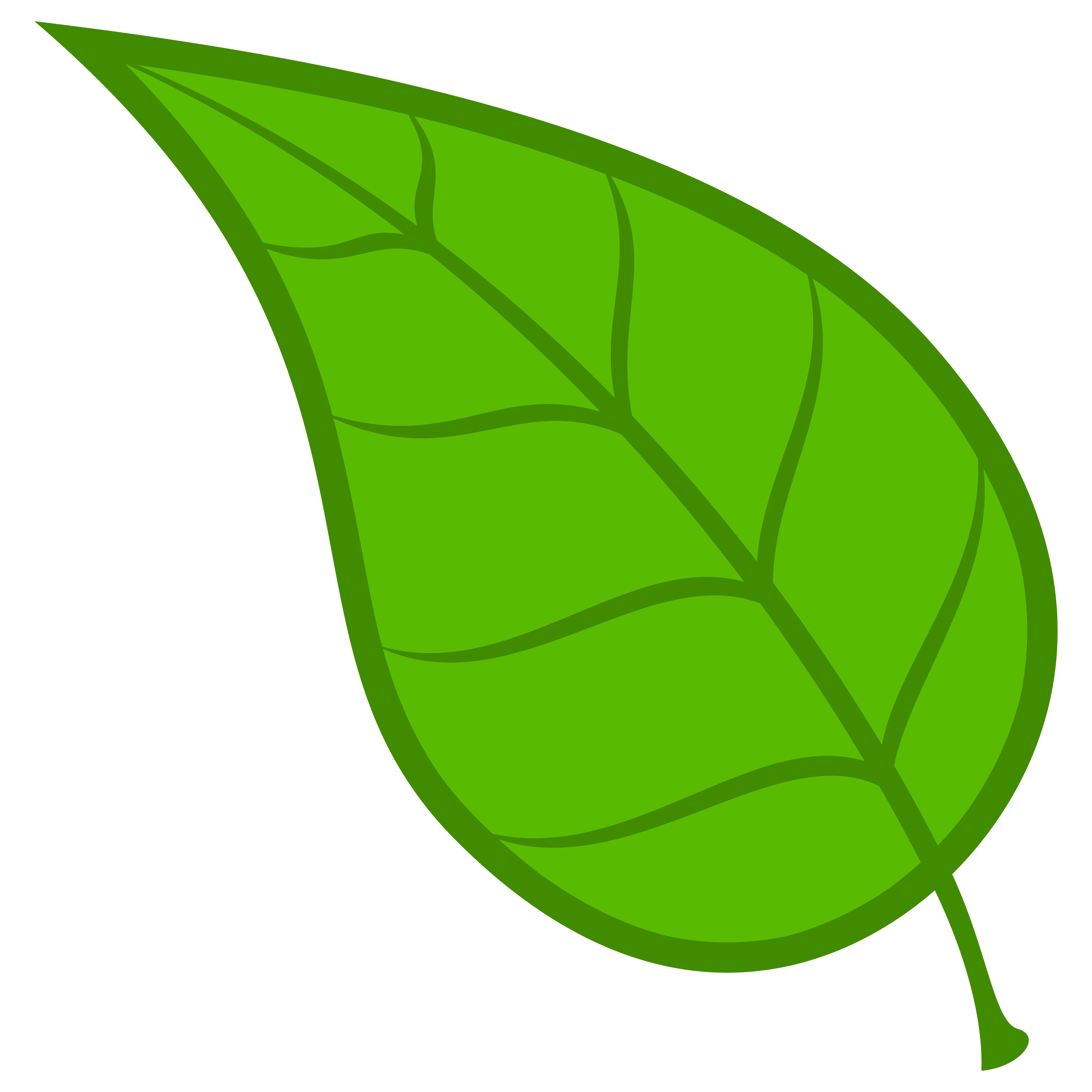
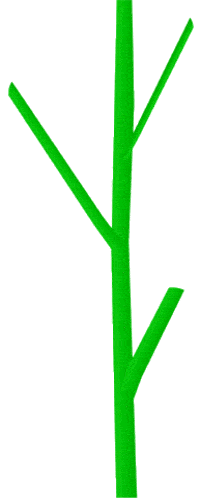
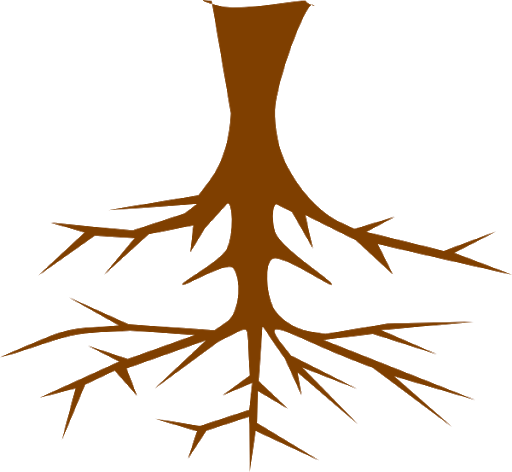
All plants have these parts.
Leaves and roots
Leaves and stems
Roots and stems
Roots, leaves and stems
Which part of plant produces seeds?

What does a plant need from soil?
earthworms
rocks
nutrients
sunlight
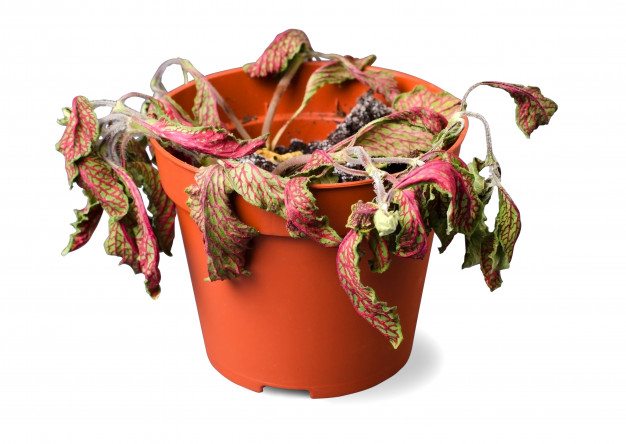
What has the plant withered?
Too much water
No sunlight
Strong wind
Not enough water
What are the 3 reactants of photosynthesis? The reactants are the things needed for photosynthesis to occur.
oxygen, glucose, sunlight
sunlight, oxygen, water
water, oxygen, carbon dioxide
carbon dioxide, sunlight, water

What pigment captures/absorbs sunlight?
stomata
chlorophyll
chloroplast
phloem

What is the tiny openings that let in the carbon dioxide needed for photosynthesis?
stomata
xylem
phloem
chloroplast
What are the 2 products of photosynthesis? The products are the things made in the process of photosynthesis.
water, sunlight
glucose, carbon dioxide
oxygen, glucose
sunlight, oxygen

Where do plants get the energy for photosynthesis to take place?
nutrients in the soil
the sun
chlorophyll
bee pollination
What is the food manufacturing process in plants?
reparation
glucose
chlorophyll
photosynthesis
Promotes repairing and rebuilding of muscle tissue
Protein
vitamins
minerals
fats
Deficiency of __________ causes Night blindness.
Vitamin B1
Vitamin D
Vitamin A
Having iodized salt regularly in your food will help in the prevention of __________.
Goitre
Anaemia
Rickets
The deficiency diseases can be prevented by having ___________.
Junk food
Balanced diet rich in fresh fruits and vegetables
Lots of water
The first Indian woman to climb Mt.Everest was
Bachendri Pal
Santhosh Yadav
Junko Tabei
Which range of Himalaya remain covered with snow throughout the year?
Shiwalik
Himadri
Himachal
Slow moving rivers of ice are called
ice bergs
glaciers
blizzards
____________ is Himalayan river.
Nile
Ganga
Pamba
Kaveri

The flat and level land is called?
Tributary
Plain
Silt
Alluvium
The Northern plains lies towards ______________ of The Himalayas?
North
South
East
West
BHAKRA DAM IS BUILT ON RIVER
INDUS
GANGA
SATLUJ
The great northern plains can be divided into ______ plains in the centre,________ plains in the west and _________ valley in the east
Punjab ; Ganga ; Bramhaputra
Bramhaputra ; Punjab ; Ganga
Ganga ; Punjab ; Bramhaputra
Punjab ; Bramhaputra; Ganga
The river Brahmaputra is called _________ in Tibet.
Tsang Po
Mekong
Xi
Huang
Which of the following is a tridutary of Ganga
Tsangpo
Jamuna
Gandak
Chenab
The largest delta in the world
Nile delta
Ganga delta
Jamuna delta
Sunderban delta
_________ is known as food bowl of India
Northern mountains
Western desert
Northern plains
Southern plateau

Which of the following land areas is between the Eastern and Western Ghats Mountains?
Thar Desert
Northern Plains
Deccan Plateau
Himalayas
Plateau is also called a _________.
Tableland
Table top
Flat top.
The Peninsular Plateau is divided by River ______________ into two regions.
Satlej
Ganga
Narmada
The Central Highlands consist of _________________ and ______________________________.
Deccan Plateau and Malwa Plateau
Malwa Plateau and Rajmahal Hills
Malwa Plateau and Chota Nagpur Plateau
Cotton is mainly grown in the southern plateau region. Which type of soil is good to grow cotton.
Clay soil
Black soil
Sandy soil
Alluvial soil
What is a Peninsula ?
Peninsula is a land surrounded by water on 3 sides.
Peninsula is a water surrounded by land
The Western and Eastern coastal plains meet at
New Delhi
Himalayas
Tamil Nadu
Kanyakumari
Common occupation of the people living on the coastal plains is
Desert Safari
Fishing


People of deserts like to settle around:
sand dunes
reservoirs
oasis
Maximum area of Thar Desert is covered in the state of:
Punjab
Gujarat
Rajasthan
What is the name of the canal built in 1958 to bring water to the Thar desert?
Basingstoke canal
Mississippi canal
Hindustan canal
Indira Gandhi canal
Thar is a _____desert.
Dry
Hot
Cold
Which among these is known as the 'Pink City'?
Bikaner
Jodhpur
Jaipur
Jaisalmer
_______ is the only river in Thar desert.
Luni
Ganga
Yamuna
Indus
When did the constitution of India come into effect?
27 January, 1949
26 January, 1947
26 January, 1949
26 January 1950
Mr. Narendra Modi is the______Prime Minister of India.
Fifteenth
Seventeenth
Twelfth
Fourteenth
Who among the following appointed the Governor of the states in India?
The Parliament
The Prime Minister
The President
The Chief Ministers
The Chairman of the Constituent Assembly was
Mahatma Gandhi
Jawaharlal Nehru
Dr. Rajendra Prasad
Who is known as the father of Indian Constitution
Pandit Jawaharlal Nehru
Dr BR Ambedkar
Vijayalakshmi Pandit
Sarojini Naidu
Fundamental rights refers to
The list of subjects of the state government
The basic rights which are granted to citizens
The list of subjects of the central government
The list of subjects of both the state and Central Government

