
 Worksheets
Watersheds
Total questions: 46
Worksheet time: 24mins
All water eventually empties into
an ocean
a river
the ground
a lake
An area of land that drains to a particular river, lake, bay, or other body of water.
Tributary
Wetland
Divide
Watershed

All bodies of fresh water, salt water, ice, and snow that are found above ground
Groundwater
Surface water
Runoff
Swimming pool
What is a measure of how well a material absorbs water? There are multiple answers.
permeability
occlusion
porosity
exclusion
What is the best definition of aquifer?
empty space
a space below the water table
a measure of how well a material absorbs water
an underground layer of permeable (that is, water-bearing) rock

Water that flows along Earth's surface to eventually return to the ocean is called ___.
Runoff
Storm drain
Surface water
Tributary
Watersheds can consist of smaller subwatersheds.
true
false
What is a land area that can be covered with water at various points throughout the year?
Estuary
Floodplain
Wetland
Tributary
What is a body of water that combines freshwater from rivers and lakes with saltwater from the ocean?
Estuary
Floodplain
Wetland
Tributary
What is a channel of water that flows into a larger one?
Estuary
Floodplain
Wetland
Tributary
What is the flat area of land that has sediment deposited when water overflows from rivers?
Estuary
Floodplain
Wetland
Tributary
Which watershed is the largest in the United States?
Mississippi River Watershed
Potomac River Watershed
Shenandoah River Watershed
James River Watershed
A geographical barrier, such as a ridge, hill or mountain, separating one watershed land area from another.
Watershed
Drainage Divide
Aquifer
Permeable
The top of the saturation zone, below which water fills all the open spaces between the rocks
Water table
Surface Water
Watershed
Drainage Divide
Sunken land surface due to underlying compression of earth material as a result of the removal of groundwater.
Permeable
Subsidence
Drainage Divide
Weathering
What is an example of Point Source Water pollution?
Wastewater pipe draining into a stream
Runoff from agriculture
Precipitation
Runoff from city
What is an example of Nonpoint Source Water Pollution?
Runoff from city
Wastewater into a stream
Factory chemical leak
Landfill

Fertilizer can seep through the ground to reach groundwater, what effect can it have?
Fertilizer can cause groundwater to reverse flow
Fertilizer can cause groundwater to freeze
Fertilizer can cause groundwater to become undrinkable
It will seep into the school

Healthy (potable) pH of a fresh water source is around
2.0
3.4
7.0
9.0

When water flows across the surface of the earth it is called?
Watershed
River
Run Off
Rain

What is turbidity?
a small stream that flows into a larger stream
a measurement of the total amount of suspended solids in water (cloudy water)
a map of the hills and valleys in an area
a measurement of the amount of salt in water

Factors within and ecosystem that are NOT living. (Rocks/Water/Air)
Biotic
Watershed
Abiotic
Erosion

Factors within an ecosystem that are living. (Plants/Animals)
Biotic
Abiotic
Ecosystem
Habitat
Identify the watershed where the school is located.
Tennessee
Cahaba
Coosa
Tallapoosa

Identify the Chattahoochee watershed.
2
11
3
1
Identify the Mobile-Tensaw watershed.
12
10
3
5
Identify the Alabama watershed.
9
2
4
6
Identify the Coosa watershed.
1
2
9
7
Which is the ONLY Alabama watershed to drain into the Mississippi River Basin?
Tennessee
Coosa
Black Warrior
Tombigbee
Which watershed(s) are not numbered on this picture?
Yellow
Chipola
Perdido
Escatawpa
Choctawhatchee
Often water must be treated to become _______, safe to drink
pathogen
potable
clarified
bonifide
Process used in water treatment process where water is pushed through screens, sand, gravel and coal to remove organisms and trash
filtration
chlorination
coagulation
bioreactors
After the clarification step in wastewater treatment, the solid waste called ______ is sold off and the liquid waste called _____ moves on the be filtered and disinfected
sewage and dirty water
sludge and effluent
effluent and slude
dirty water and sewage
Which of the following is NOT a residential use of water>
cooking and drinking
washing dishes and clothes
washing cars and watering the lawn
watering the crops
showers and toilets
What is the best way to CONSERVE water use in an agricultural setting...
low flow toilets
reuse cooling water
drip irrigation
high power overhead irrigation
Conserving water for residential use would involve
xeriscaping
drip irrigation
reusing cooling water
manufacturing goods
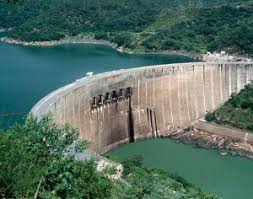
The image here is how humans control rivers for the last few hundred years. This is
diverting water thru canels
create an aquaduct
damming a river
desalination plant
Which of the following is a disadvantage of dams and reservoirs?
man made lakes used for drinking water, recreation and industry
hydroelectric power
existing ecosystems changed, displacing species and humans
flood control
While expensive and inefficient now, the removal of salt from ocean water may help create more potable water in the future
water transport
towing icebergs
desalination plants
xeriscaping
A resource that cannot be replaced in a lifetime.
renewable resource
nonrenewable resource
pollution
conservation
The act of preserving or protecting natural resources.
renewable resource
nonrenewable resource
pollution
conservation
George and Joanne live in the dessert. They have a yard with pretty stones, some cactus, and native trees. What kind of water-conservation is this?
intercropping
terracing
windbreak
Xeriscaping

