
 Worksheets
Science
Total questions: 29
Worksheet time: 24mins
Characteristics of fluids
A fluid with has no fixed shape
A fluid has a fixed shape
A fluid has a definet volume
A fluid does not have a volume
Solids have a fixed shape and a fixed volume
(a)
Which of the following is a correct description for solids?
closely arranged and in fixed positions
closely arranged and vibrate in fixed positions
closely arranged and can move around
Which of the following is a correct description for solids?
closely arranged and in fixed positions
closely arranged and vibrate in fixed positions
closely arranged and can move around

This diagram represents particles in a ______________ state.
Solid
Liquid
Gas
In which state of matter will there be the LARGEST space between molecules?
Solid
Liquid
Gas
If an object is neutrally buoyant it will ________.
sink
float
neither float or sink
objects cannot be neutrally buoyant...
This is what happens to an object when the gravitational force is stronger than the buoyant force.
sinks
floats
neutrally buyant
I don't know...
This is what happens to an object when the buoyant force is stronger than the gravitational force.
sinks
floats
neutrally buyant
I don't know...
This is what happens to an object when the buoyant force is EQUAL to the the gravitational force.
sinks
floats
neutrally buyant
I don't know...
If an object, such as a ball of clay sinks, what would we need to do to its volume to make it float?
Clay can't float
Increase the volume
Decrease the volume
Keep the volume the same
Which properties affect buoyancy?
(select all that apply)
Mass
Volume
Density
Luster

Buoyancy is:
When an object sinks in liquid
The ability to float in some liquid material
Which type of fluid flow is smooth, and predictable?
Turbulent
Viscous
Laminar
Inertial
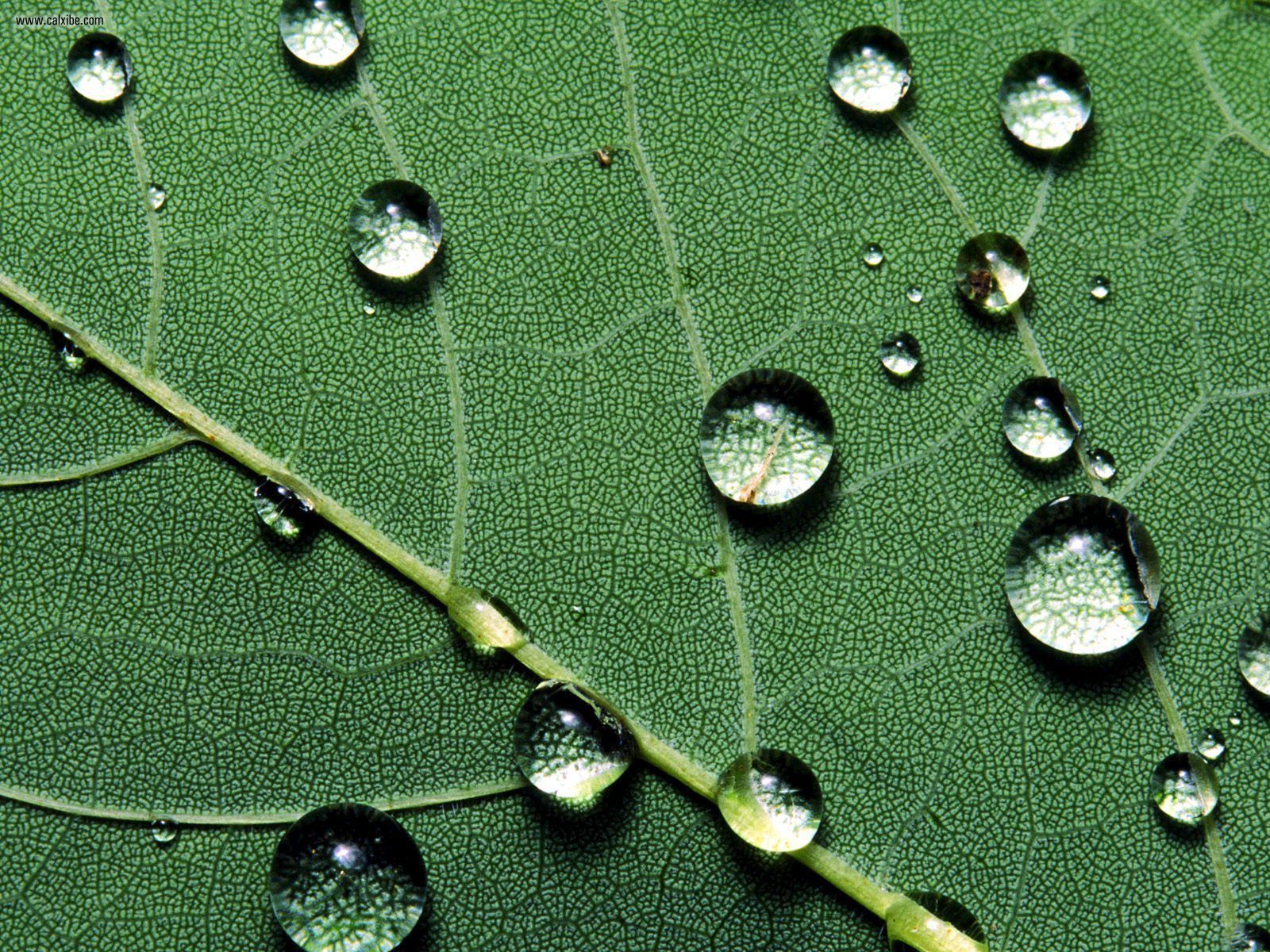
Refer to the picture of water sticking to a leaf; this is occurring because of:
Adhesion
Cohesion
Describe COHESION.
Water molecules attracted to other substances.
Water molecules climbing upwards against the force of gravity.
Water molecules dissolving many substances because of its polarity.
Water molecules attracted to other water molecules.


Viscosity can be described as...
a physical property of liquids
a physical property of solids
a chemical property of liquids
High viscosity can be described as...
a liquid that flows quickly
a liquid that flows slowly
High viscosity can be described as...
a liquid that flows quickly
a liquid that flows slowly
What is fluid flow?
Describes how fluids behave when frozen.
Describes how fluids behave when heated.
Describes how fluids behave in their surrounding environment.
Which of these are fluids?
Sand
Water
Oxygen
Rocks
What is Viscosity?
A fluids colour.
A fluids temperature.
A fluids resistance to flow.
What is adhesion
Water that is attracted to other substances
Water that ripples in the water

