
 Worksheets
Ecosystems: What Do Ya Know?
Total questions: 16
Worksheet time: 8mins
Name
Class
Date
1.
__________ make their own food.
a)
Producers
b)
Consumers
c)
Carnivores
d)
Herbivores
2.
________ get there energy from eating other organisms.
a)
Producers
b)
Consumers
c)
Carnivores
d)
Herbivores
3.
A community of organisms and their abiotic, or nonliving environment is called ---
a)
ecology
b)
ecosystem
c)
population
d)
community
4.

The place where an organism lives that provides it with shelter, food and water.
a)
ecosystem
b)
population
c)
community
d)
habitat
5.

Example of a decomposer
a)
fungus
b)
mouse
c)
plants
d)
frogs
6.

A connection of food chains with many food energy paths in an ecosystem is a ____________
a)
ecosystem
b)
food web
c)
environment
d)
population
7.
The first species to appear in an area:
a)
discovering species
b)
pioneer species
c)
new species
d)
colonizing species
8.
Stable, final stage of succession:
a)
First Community
b)
Climax Community
c)
Pioneer Species
d)
Intermediate Community
9.

Which habitat exhibits the greatest biodiversity?
a)
A habitat with 15 different species with about 300 individuals each
b)
A habitat with 10 different species with about 75 individuals each
10.

Currently sharks are on a rapid decline due to overfishing. If sharks go extinct will this affect the biodiversity of the ocean?
a)
No, sharks are not important.
b)
No, sharks will only affect the seal populations.
c)
Yes, it will disrupt the entire food chain in the ocean.
d)
Yes, but only a little.
11.

Cattle egrets forage (feed) in fields among cattle. The egret gets easy access to flying insects stirred up by the cattle, and the cattle don't care if they are there or not.
a)
mutualism
b)
commensalism
c)
competition
d)
parasitism
12.
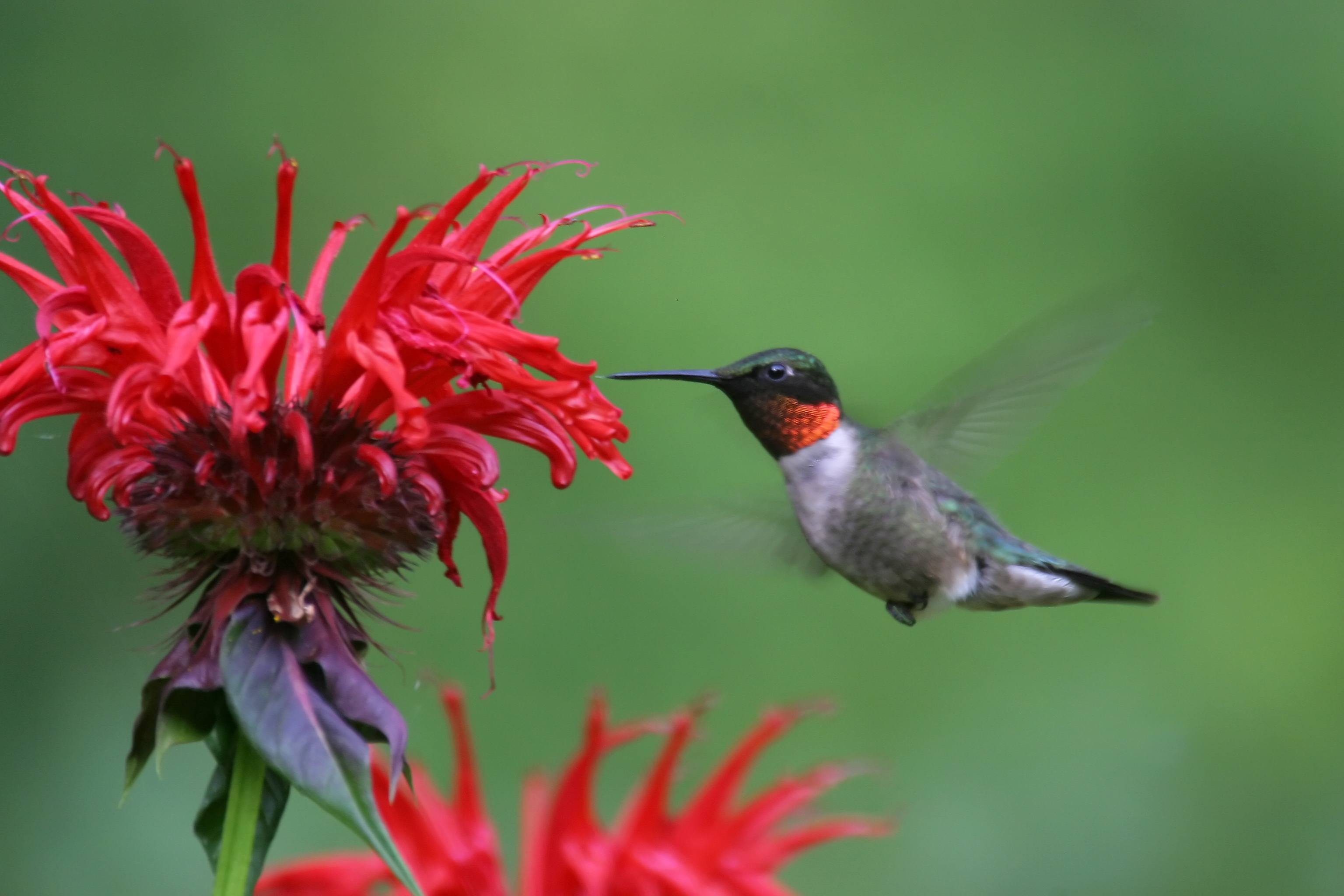
What type of symbiosis? Hummingbirds feed on nectar from flowers. The flowers are pollinated by hummingbirds as they move from flower to flower.
a)
commensalism
b)
mutualism
c)
parasitism
d)
predation
13.
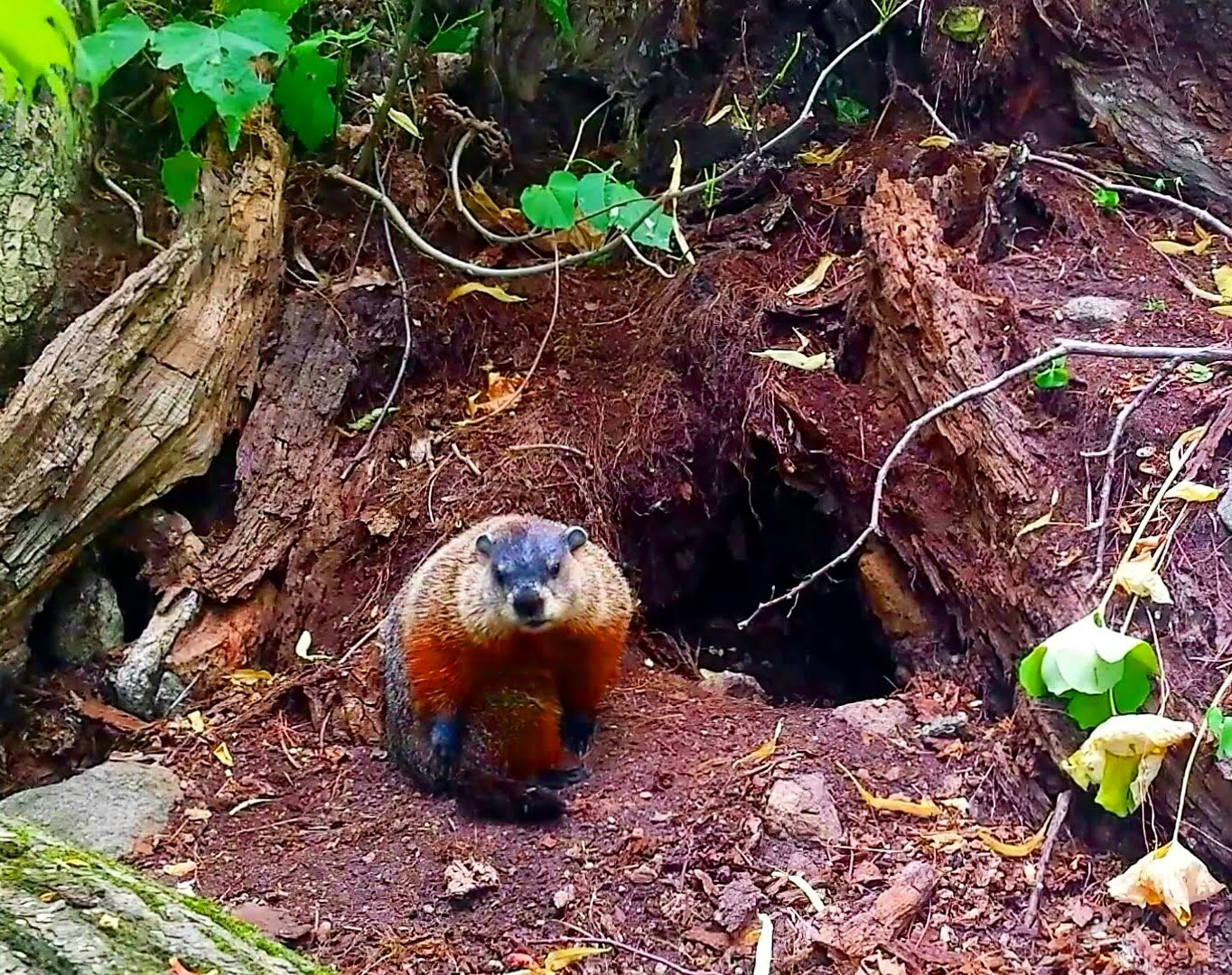
What type of symbiosis? Skunks often live in burrows that have been dug and abandoned by woodchucks.
a)
commensalism
b)
mutualism
c)
parasitism
d)
predation
14.
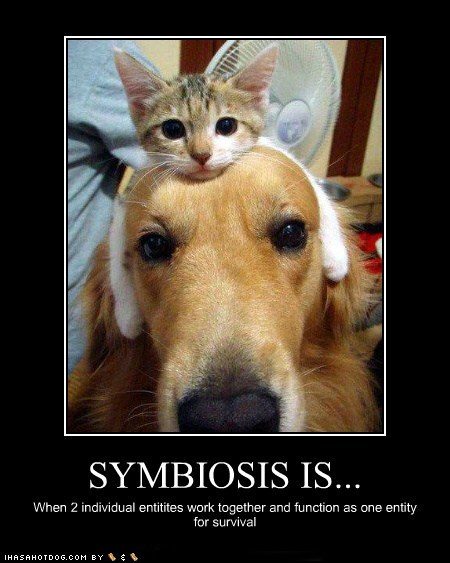
A relationship in which two species live closely together.
a)
resource
b)
mutualism
c)
succession
d)
symbiosis
15.
A relationship between two organisms in which both organisms benefit.
a)
Mutualism
b)
Competition
c)
Parasitsm
d)
Commensalism
16.
A frog eats a fly. The frog and fly are demonstrating ________.
a)
mutualism
b)
competition
c)
predator/prey
d)
parasitism
100 %

