
 Worksheets
CC10/11/13 Obtaining and using metals + Dynamic Equilibria
Total questions: 32
Worksheet time: 16mins
Which list shows the metals in the correct order of increasing reactivity?
Iron < aluminium < zinc
Iron < zinc < aluminium
Zinc < aluminium < iron
What products are formed when zinc metal reacts with steam?
Zinc hydroxide + water
Zinc chloride + hydrogen
Zinc oxide + hydrogen
Which of these combinations of metals and metal compounds will produce a displacement reaction?
Copper + magnesium sulfate solution
Iron chloride solution + magnesium
Aluminium + sodium chloride solution
When a metal is extracted from its ore using carbon, what is oxidised?
Carbon
Metal
Metal oxide
Why can heating with carbon not be used to extract aluminium from aluminium ores?
Aluminium is unreactive
Aluminium forms an oxide
Aluminium is too reactive
What gas forms at the positive electrode during the extraction of aluminium by electrolysis?
Oxygen
Hydrogen
Aluminium
Most metals can be extracted from their ores by electrolysis. What is the main reason that copper metal is not extracted from its ore by electrolysis?
The process produces dangerous waste gases
The process requires a lot of electrical energy
The copper ore is particularly difficult to mine
It was found that metal X did not react with dilute acids. What does this definitely tell us about the position of metal X in the reactivity series?
It is at the bottom of the reactivity series
It is below hydrogen in the reactivity series
It is above carbon in the reactivity series
What factor does the biological extraction of copper, using phytoextraction, depend on?
That copper compounds are poisonous
That plants can take in copper compounds from the soil
That photosynthesis stores energy in plants
HIGHER TIER - Magnesium can displace iron from solutions of iron(II) sulfate. Which of the following represents the ionic equation which takes place during this reaction?
Mg(s) + Fe2+(aq) → Mg2+(aq) + Fe(s)
Mg(s) + FeSO4(aq) → MgSO4(aq) + Fe(s)
Mg(s) + Fe2+(aq) + SO42-(aq) → Mg2+(aq) + SO42-(aq) + Fe(s)
What does electrolysis mean?
Splitting by electricity
Adding by electricity
Splitting the atom
Electric shock
Electrodes are usually?
Short
Always positive
Positive and negative
Always negative
What do we call the positive ions in the electrolyte solution
Cation
Cathode
Anion
Anode
What doe we call the substance that is being broken down by electrolysis?
Anode
Cathode
Electrolyte
Anion
The reactivity series shows us what?
The mass of metals
How reactive metals are
Types of reactions
What metals react with strong acids
If you react a metal and cold water, what gas do you produce?
Air
Hydrogen
Oxygen
Carbon dioxide
Displacement means?
More reactive metals are replaced with less reactive metals
Less reactive metals are replaced with unreactive metals
Less reactive metals are replaced with more reactive metals
Nothing happens
During electrolysis of a substance, where do new substances form?
Power supply
Electrodes
Beaker
On the test tubes
What is formed when a metal reacts with oxygen?
Metal oxide
Metal hydroxide
Metal carbonate
Metal nitrate
Which of the following metals will not react with cold water?
Sodium
Calcium
Magnesium
Iron
What is the main product when a metal reacts with an acid?
Metal oxide
Metal hydroxide
Salt and hydrogen gas
Salt and water
Which of the following metals can be extracted from its ore using carbon?
Aluminium
Iron
Sodium
Potassium
Where are the transition metals found in the periodic table?
On the left of the periodic table, in groups 1 and 2
In the middle of the periodic table, between groups 2 and 3
On the right of the periodic table, in groups 7 and 8
Which of the following is a transition metal?
Zinc
Sodium
Aluminium
Which of these is a typical property of all transition metals?
Malleable
Brittle
Low melting point
What two things must be present for iron to rust?
Oxygen and heat
Water and oxygen
Water and salt
How does electroplating iron objects prevent them from rusting?
Electroplating galvanises the iron and stops it rusting
The metal coating stops the iron rusting by sacrificial protection
The expensive metal coating keeps out air and water
Which metal could be used for sacrificial protection of iron?
Tin
Lead
Magnesium
Which of the following is an alloy?
Copper
Steel
Lead
Vanadium
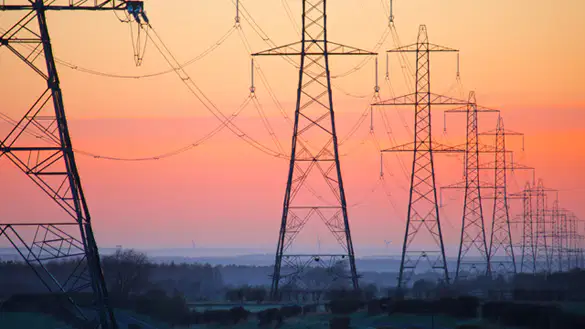
Which of these properties of aluminium is most important for explaining its use in overhead electrical cables?
Low density
High thermal conductivity
Malleable
Why is gold used to plate the plugs used to connect hi-fi speaker cables to a stereo amplifier?
High melting point
Good conductor of electricity
High density
Why are alloys typically stiffer than pure metals?
The metallic bonding is stronger in alloys
The metal atoms are all very regularly arranged in an alloy
The layers of metal atoms in the alloy cannot slide over each other very easily

