wayground logo

Free Printable Worksheets

Font size

S
M
L
XL
Worksheets

Physical Science SOL review

Total questions: 79

Worksheet time: 1hrs 10mins

Name
Class
Date
1.

Acquiring & recording numerical data is considered what?

a)

Qualitative observation

b)

Quantitative observation

c)

Independent Variable

d)

Dependent Variable

2.

The process Scientist use for stating, solving, and understanding problems in the natural world

(a)  

3.

The variable that you change at the beginning of an experiment

a)

Dependent

b)

Independent

c)

Constant

d)

Control

4.

We are conducting an experiment on acid rain affects on sedimentary rock. We take 3 identical pieces of sedimentary rock.To the 1st rock we do absolutely nothing.

To the 2nd rock we add 2 liters of acid rain. To the 3rd rock we add 5 liters of acid rain. Rock 2 dissolved to 2/3 of its original size. Rock 3 dissolved to half of its original size


What would be considered your control?

a)

Rock 1

b)

Acid Rain

c)

Rock 3

d)

Rock 2

5.

We are conducting an experiment on acid rain affects on sedimentary rock. We take 3 identical pieces of sedimentary rock.To the 1st rock we do absolutely nothing.

To the 2nd rock we add 2 liters of acid rain. To the 3rd rock we add 5 liters of acid rain. Rock 2 dissolved to 2/3 of its original size. Rock 3 dissolved to half of its original size


What would be considered your independent variable?

a)

Rock 1

b)

Acid Rain

c)

Rock 3

d)

Rock 2

6.

_________ transfers __________ between objects.

a)

energy; work

b)

force; work

c)

work; energy

d)

energy; force

7.

What is the energy of an object because of its height above a surface?

a)

mechanical energy

b)

elastic potential energy

c)

kinetic energy

d)

gravitational potential energy

8.

A catapult’s lever holds a cannonball. The lever is attached to a tightly held rope. When the rope is released, the lever springs forward and launches the cannonball. When the rope is held tightly, which form of energy does it possess?

a)

thermal energy

b)

nuclear energy

c)

gravitational potential energy

d)

elastic potential energy

9.

Gas and food are examples of what kind of energy?

a)

kinetic

b)

nuclear

c)

chemical

d)

radiant

10.

The ability to do work

a)

Energy

b)

Force

c)

Power

d)

Work

11.

When Javier touches a hot mug of tea, energy is transferred from the surface of the mug to his hand. What kind of energy is this?

a)

Nuclear

b)

Thermal

c)

Radiant

d)

Chemical

12.

What is the unit of measurement for energy

a)

Newtons

b)

Joules

c)

Grams

d)

Meters per second

13.

The sun emits electromagnetic waves at many frequencies, but mostly in the infrared, visible, and ultraviolet spectrums. What kind of energy is this?

a)

nuclear

b)

potential

c)

radiant

d)

electrical

14.

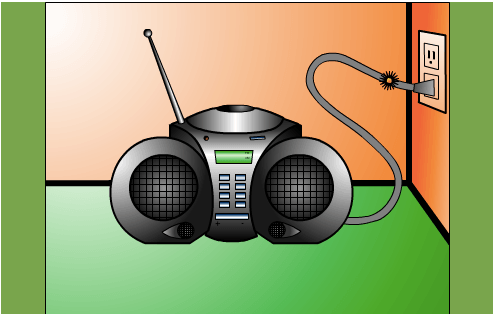
What is the energy conversion when you plug in a stereo and listen to music?

a)

electrical to mechanical

b)

chemical to nuclear

c)

electrical to sound

d)

potential to sound

15.

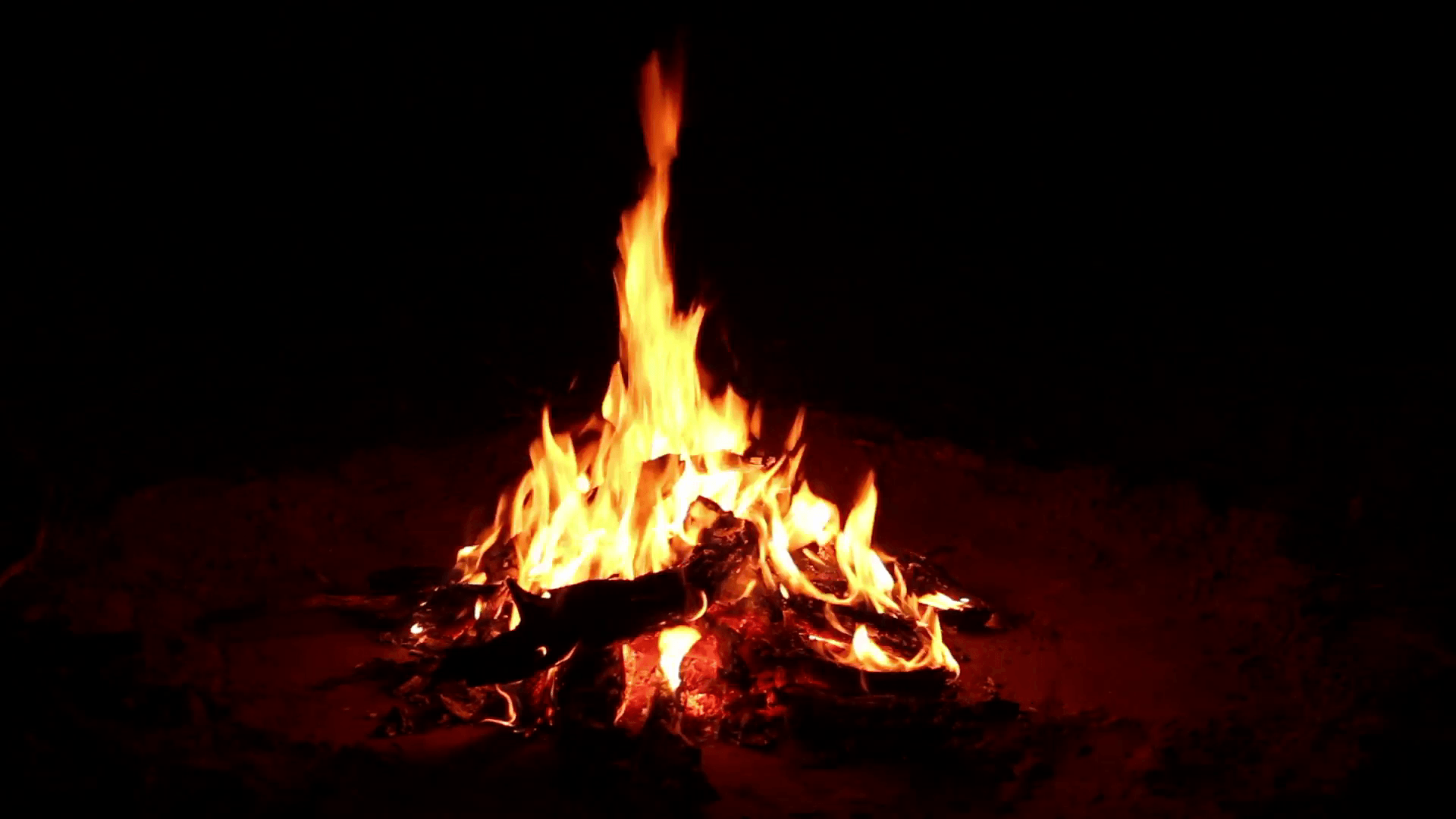
What is the energy conversion when you burn wood for a fire?

a)

electrical to thermal

b)

light to kinetic

c)

chemical to thermal

d)

chemical to electrical

16.

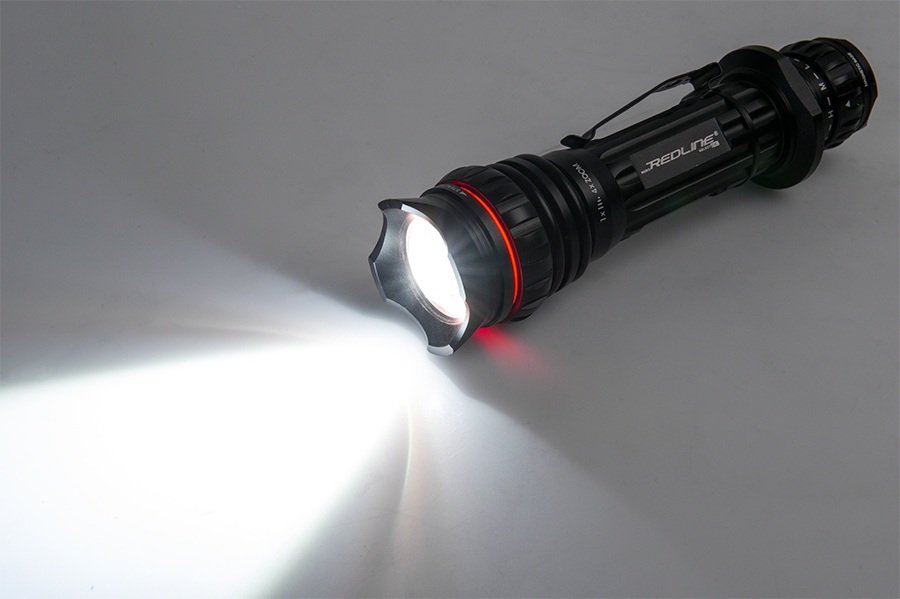
What is the energy conversion when you put batteries in a flashlight to make it turn on?

a)

chemical to light

b)

light to kinetic

c)

chemical to thermal

d)

nuclear to light

17.

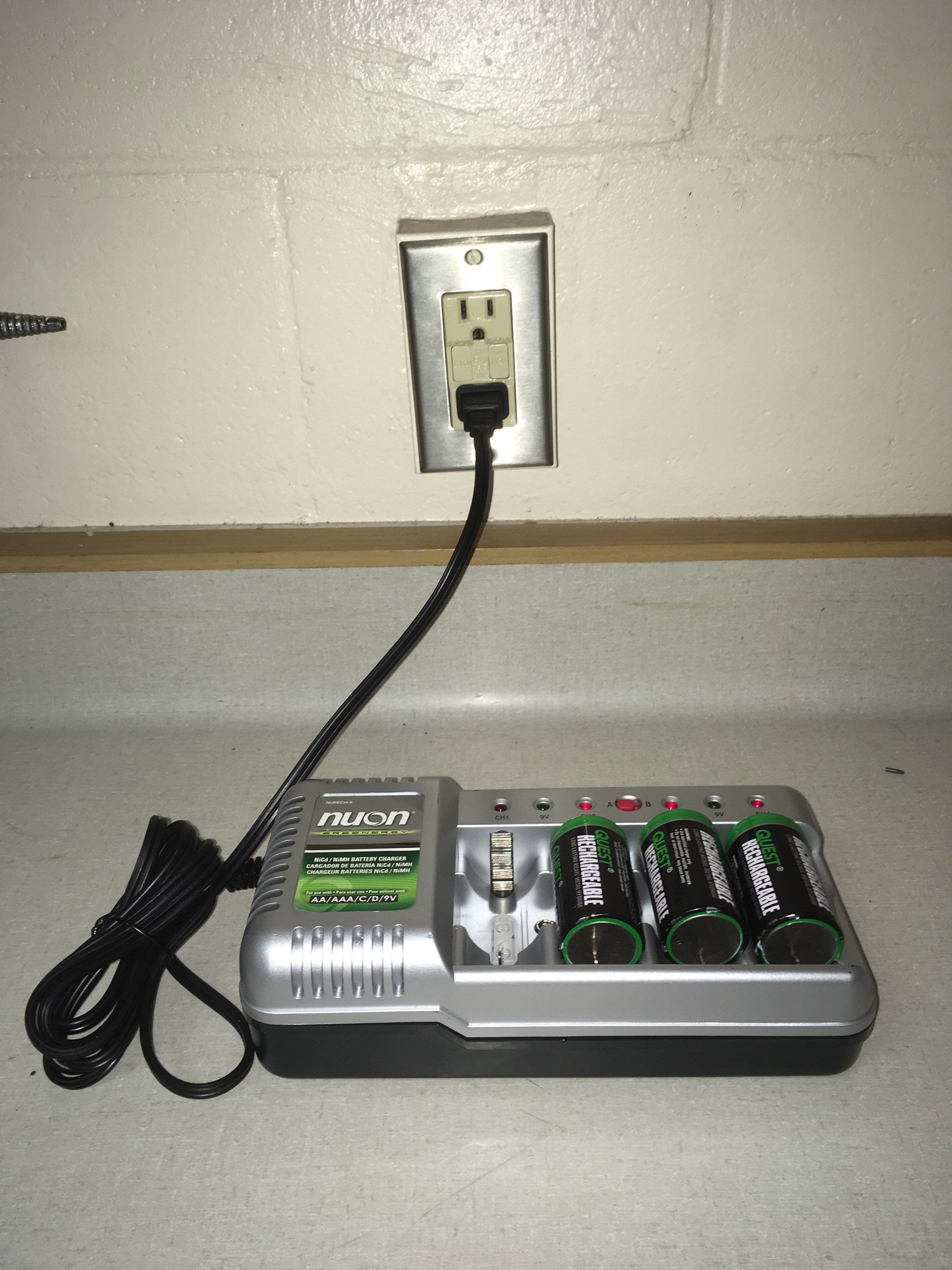
What is the energy conversion when you plug in a charger to charge a battery?

a)

electrical to light

b)

kinetic to potential

c)

thermal to chemical

d)

electrical to chemical

18.

What is the energy conversion when you have a skateboard at the top of the hill then move down?

a)

kinetic to potential

b)

potential to kinetic

c)

potential to thermal

d)

electrical to kinetic

19.
According to the pH range which substance is more acidic than lemon juice
a)
Hydrochloric acid
b)
cabbage
c)
milk
20.
Tastes bitter.
a)
Acids
b)
Bases
c)
Salts
d)
All
21.
Turns litmus blue.
a)
Acids
b)
Bases
c)
Salts
d)
All
22.
Electrolyte
a)
Acids
b)
Bases
c)
Salts
d)
All
23.
Feels slippery.
a)
Acids
b)
Bases
c)
All
24.
Forms hydroxide ions (OH-) in water
a)
Acids
b)
Bases
c)
All
25.
pH less than 7.
a)
Acids
b)
Bases
c)
All
26.
pH greater than 7.
a)
Acids
b)
Bases
c)
All
27.
Which is most acidic?
a)
milk
b)
Lemon Juice
c)
bleach
28.
A solution with a pH of 7 is________
a)
increasing
b)
neutral
c)
decreasing
d)
apple juice
29.
Which range of numbers represent basic solution?
a)
0-6
b)
7
c)
8-14
d)
3-9
30.
Bleach is a strong base, what is the pH level of bleach?
a)
13
b)
14
c)
1
d)
2
31.

What is the atomic mass of Neon?

a)

10

b)

30.18

c)

10.18

d)

20.18

32.

Which of the following determines an atom's identity?

a)

protons

b)

neutrons

c)

electrons

d)

nucleus

33.

What is the atomic number of Neon?

a)

10

b)

30.18

c)

10.18

d)

20.18

34.
How many electrons does a Copper atom have?
a)
63
b)
29
c)
92
d)
34
35.
Found in the nucleus of the atom
a)
electrons only
b)
protons only
c)
neutrons and protons
d)
neutrons and electrons
36.
How many neutrons does a Hydrogen atom have?
a)
1
b)
2
c)
3
d)
0
37.
What is the atomic number for an element with 41 neutrons and a mass number of 80?
a)
39
b)
41
c)
80
d)
121
38.
What does the 6 represent above the C
a)
Symbol 
b)
Name 
c)
Mass Number 
d)
Atomic Number 
39.
Atomic mass - Atomic Number =
a)
protons
b)
neutrons
c)
electrons
d)
Average Mass
40.
An element is defined by its number of 
a)
protons
b)
electrons
c)
neutrons
d)
protons + electrons
41.
Which of the subatomic particles is the lightest
a)
all have the same mass
b)
protons 
c)
neutrons 
d)
electrons
42.
The relative mass of a proton/neutron is.....
a)
0
b)
1
c)
2
d)
3
43.
Where are electrons of an atom found?
a)
Nucleus
b)
Electron Cloud
c)
Some are in the nucleus and some in the electron cloud.
d)
They are moving everywhere.
44.
How many protons are in this element?
a)
79
b)
196
c)
117
d)
Cannot be determined
45.
What is a valence electron?
a)
The sum of neutrons and protons.
b)
The # of electrons in the last shell.
c)
A type of bond.
d)
A popular compound.
46.
Is hydrogen considered a metal or a non-metal?
a)
A metal
b)
Nonmetal
c)
Metalloid
47.
Atoms are most stable when their outer shell is complete.
a)
true
b)
false
48.
An electron has what kind of charge?
a)
no charge
b)
positive 
c)
negative
d)
it depends
49.
Atoms that gain electrons become...
a)
negatively charged
b)
positively charged
c)
remain neutrally charged
d)
21
50.

How many Aluminum atoms are in Al2O3?

a)

3

b)

5

c)

2

d)

1

51.

Write the correct formula for Sodium Chloride.

a)

SC

b)

SCl

c)

NaCl

d)

NaCl2

52.

Metals (left side) tend to bond with (a)   (right side).

53.

When sodium and chlorine bond, sodium loses an electron, so it becomes a (a)   charged ion. (Note the nucleus)

54.
Which of the following is a compound?
a)
Co
b)
O2
c)
C
d)
CO2
55.
The blue numbers in the image below represent ________
a)
I don't know, and don't want to try
b)
coefficients
c)
subscripts
d)
none of the answers are correct
56.
Which of the following is a positively charged subatomic particle found in the nucleus of an atom?
a)
Electron
b)
Proton
c)
Neutron
d)
Quark
57.

An atom has an atomic number of 15 and a mass number of 31. How many protons are there in the atom?

a)

15

b)

31

c)

16

d)

47

58.
What carries no charge 
a)
Neutrons
b)
Electrons
c)
Protons
59.

The noble gases have how many valence electrons? (Hint: Look at a periodic table)

a)

1

b)

2

c)

7

d)

8

60.
The blue atoms are called 
a)
metals
b)
nonmetals
c)
metalloids
d)
noble gases
61.

Elements which are considered semiconductors and form a staircase on the periodic table are

a)

metal

b)

nonmetal

c)

metalloid

d)

nonexistent

62.

Beryllium (Be) is in group number______.

a)

Group 2

b)

Group 3

c)

Group 4

d)

Group 7

63.
Which is the smallest?
a)
electron
b)
proton
c)
atom
d)
neutron 
64.
How many elements are in C6H12O6?
a)
1
b)
2
c)
3
d)
4
65.
Neutrons are found in the...
a)
Nucleus
b)
Electron Cloud
c)
Electrons
d)
Protons
66.
The _____________ is the number of protons and neutrons in an atom.
a)
Atomic Mass
b)
Atomic Symbol
c)
Atomic Number
d)
Atomic charge
67.
The _____________ determines the identity of an object.
a)
# of Protons
b)
# of Electrons
c)
# of Neutrons
d)
Atomic Mass
68.
The following element has _____________ electrons.
a)
114
b)
289
c)
175
d)
403
69.

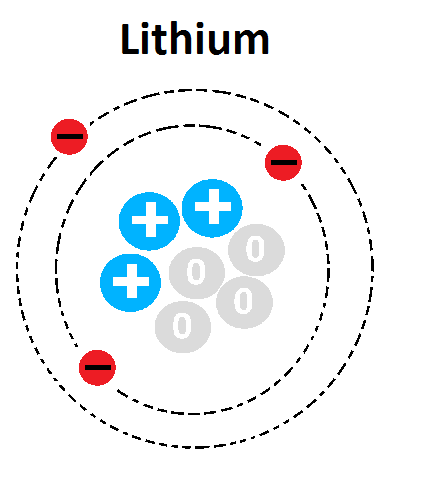
What is the name of this element? (You need to look at a periodic table)

a)

Lithium

b)

Boron

c)

Carbon

d)

Neon

70.
How many valence electrons?
a)
2
b)
3
c)
5
d)
10
71.

On the periodic table, Groups are

a)

Horizontal rows

b)

Vertical columns

72.

On the periodic table, Periods are

a)

Horizontal rows

b)

Vertical columns

73.

Which Bohr model represents Neon?

a)
b)
c)
d)
74.
How many atoms are there TOTAL in:
H2SO4
a)
6
b)
5
c)
7
d)
3
75.
How many elements are in C6H12O6?
a)
1
b)
2
c)
3
d)
4
76.
What is the atomic number of this atom?
a)
2
b)
4
c)
6
d)
none of the above
77.
What is the mass number of this atom?
a)
1
b)
3
c)
4
d)
7
78.

How many valence electrons?

a)

2

b)

3

c)

4

d)

5

79.

Discovered the atom

a)

Dalton

b)

Democritus

c)

Rutherford

d)

Bohr