Worksheets
Plant and Animal Systems STAAR Review
Total questions: 40
Worksheet time: 31mins

A deer hears a predator approaching and begins to run for safety. The deer has primarily engaged what body systems to escape?
nervous, respiratory, and muscular systems
muscular, digestive, and immune systems
respiratory, endocrine, and excretory systems
muscular, reproductive, and circulatory system
Which two systems alert the young bird to the danger and help produce the vomit it uses as a defense?
Nervous and Digestive
Integumentary and Muscular
Immune and Respiratory
Excretory and Reproductive
The organ system that breaks down food so it can be absorbed into the bloodstream.
nervous system
digestive system
skeletal system
respiratory system
The set of organs that uses information from the senses to control other body systems.
circulatory system
muscular system
endocrine system
nervous system
The organ system that removes cellular wastes from the body.
excretory system
muscular system
digestive system
endocrine system
The set of ductless organs that secrete hormones directly into the bloodstream to regulate life processes.
endocrine system
skeletal system
digestive system
circulatory system
The body system made up of muscles that move bones.
skeletal system
muscular system
respiratory system
nervous system
The organ system that consists of the heart and blood vessels and that moves blood through the body.
circulatory system
endocrine system
digestive system
respiratory system
The organ system that brings oxygen to body cells and removes waste gas.
circulatory system
digestive system
excretory system
respiratory system
Which system allows animals to reproduce by producing egg and sperm?
Circulatory
Reproductive
Endocrine
Muscular
Which system defends, deflects and destroys infectious agents that make their way into the body?
Digestive
Skeletal
Immune
Reproductive
Which system acts as a barrier to protect the body from the outside world?
Muscular
Integumentary
Skeletal
Excretory
Which systems main function is to produce and secrete hormones?
Excretory
Endocrine
Immune
Digestive
How do the circulatory system and immune system work together to respond to an injury? (There will be three questions like this one on the test)
Increased blood flow kills healthy cells which prevents infection at the site of the injury
Increased blood flow allows for an increase in the exchange of O2 and CO2 at the site of the injury
Increased blood flow carries white blood cells to the site of the injury
Any self-regulating process by which an organism tends to maintain stability (vocabulary)
Circulatory
Homeostasis
Respiratory
Endocrine

The part of the plant
that is generally
under the ground
and in the soil
Reproductive System
Transpiration
Shoot System
Root System

The part of the plant
that is generally above the ground including stems, leaves, buds and reproductive structures
Stem System
Leaf system
Shoot system
Xylem

The tubes and support that transport water
and nutrients up, down and around in plants
Vascular System
Shoot System
Root System
Reproductive System

Vascular tissue (tubes) responsible for the transportation of water and minerals up from the roots and around the plant.
Stomata
Transpiration
Phloem
Xylem

Vascular tissue (tubes) responsible for the transportation of glucose down and around in a plant.
Transpiration
Xylem
Phloem
Root Hairs

What vascular tissue carries organic nutrients "sugar" throughout the plant?
Xylem
Phloem
Cones
Leafs
Xylem transports ...
Water
Sugar (Organic Nutrients)
Sand
Wind
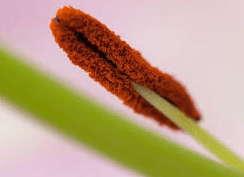
Brightly colored parts of flowers that attract insects (pollinators).
petals
pistils
stamen
filaments

The stalk that supports or holds up the anther is the
style
filament
ovary
pistil

Pollination and Fertilization is the process by which an
egg and pollen combine
embryo grows into a plant
animal carries pollen between plants

What is the name of flower part #10 ?
sepal
pollen tube
filament
stigma