wayground logo

Free Printable Worksheets

Font size

S
M
L
XL
Worksheets

S4, U3: The Earth - Exam preparation

Total questions: 56

Worksheet time: 36mins

Name
Class
Date
1.

THE ATMOSPHERE IS MADE OF

a)

GASES

b)

ROCKS

c)

LAVA

d)

METAL

2.

WHICH GAS IS THE MOST PLENTIFUL IN THE ATMOSPHERE?

a)

NITROGEN

b)

OXYGEN

c)

WATER VAPOUR

d)

CARBON DIOXIDE

3.

WHICH GAS FROM THE ATMOSPHERE DO HUMANS NEED TO BREATH?

a)

NITROGEN

b)

OXYGEN

c)

WATER VAPOUR

d)

CARBON DIOXIDE

4.

CLIMATE IS...

a)

The temperature in a specific moment.

b)

The temperature during a long period of time.

5.
Which layers of Earth are mostly made of solid material?
a)
inner core and outer core
b)
crust and inner core
c)
crust and mantle
d)
mantle and outer core
6.

Select the 3 layers of the Earth

a)

Crust

b)

Mantel

c)

Core (Outer core and inner core)

d)

Atmosphere

7.

What is the first (1) layer of the Earth?

a)

Core

b)

Mantle

c)

Crust

8.

What is the second (2) layer of the Earth?

a)

Mantle

b)

Crust

c)

Core

9.

The outer part of the core is liquid.

a)

True

b)

False

10.

The inner part of the core is solid.

a)

True

b)

False

11.

Scientists use mineral ________________ to identify and classify minerals.

a)

pieces

b)

names

c)

properties

d)

structures

12.
  • a mineral's ability to resist being scratched
a)

streak

b)

luster

c)

color

d)

hardness

13.

Which of the following minerals is one of the hardest minerals?

a)

pearl

b)

diamond

c)

talc

d)

quartz

14.
The most dense layer
a)
crust
b)
inner core
c)
mantle
d)
outer core
15.
True or False: A mineral is a living substance found in nature.
a)
True
b)
False
16.
A mineral is a natural resource: True or False
a)
True
b)
False
17.
Which is NOT a property used for identifying minerals?
a)
Streak
b)
Hardness
c)
Taste
d)
Color
18.
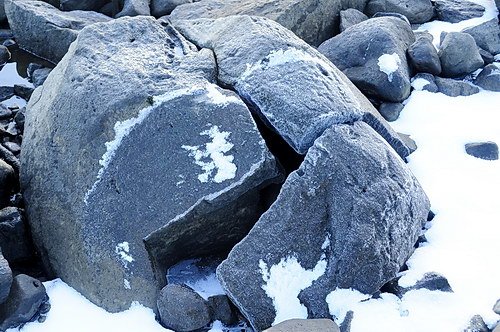
How does freezing water cause the weathering of rocks?  The freezing water—
a)
keeps the rocks in place.
b)
makes the rocks last longer.
c)
expands cracks and breaks rocks.
d)
causes rocks to fall in landslides.
19.
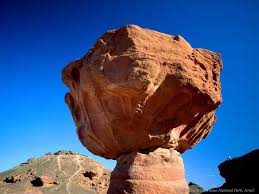
The process that breaks down rocks and other materials on Earth's surface is called
a)
Weathering
b)
Erosion
20.
A cliff formed near the ocean.  Which statement best describes how this cliff formed?
a)
Warm air melted the rock.
b)
Sun rays evaporated the rock.
c)
Ocean waves washed away rock.
d)
Plant roots pushed away the rock.
21.

What is the process that picks up and moves weathered rocks?

a)

Erosion

b)

Weathering

22.
What causes the greatest erosion effect on our beaches?
a)
Waves
b)
Gravity
c)
Glaciers
d)
Wind
23.

The process by which water, ice, wind, or gravity moves weathered rock and soil from one place to another.

a)

Weathering

b)

Erosion

24.

Which of these is an example of erosion?

a)

Light shining onto a mountain.

b)

Rain breaking down rocks on a mountain into smaller pieces.

c)

Wind blowing away bits of dirt to a new place on the mountain.

d)

All of the above.

25.
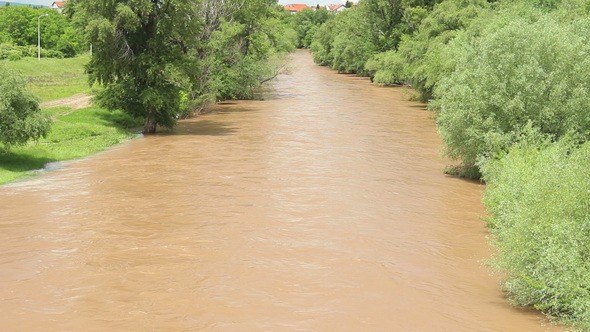
Muddy water being carried away by a fast-moving river is an example of
a)
Weathering
b)
Erosion
c)
A mess
d)
A nice place to swim
26.
What is an enormous mass of ice moving over land, causing weathering of rock and soil?
a)
A glacier
b)
An iceberg
c)
An ice wedge
d)
A sand dune
27.
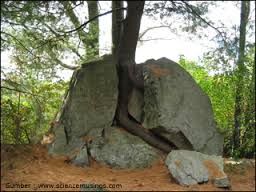
How do plants weather rocks?
a)
Plants don't weather rocks.
b)
When roots grow into cracks of rocks and expand the rock breaks.
c)
When the plant moves water from the roots to the leaves, the rock breaks.
28.

What is the wearing away or breaking down of rocks called?

a)

Weathering

b)

Erosion

29.

Flood water pounding against a canyon wall and wearing it down is an example of

a)

Weathering

b)

Erosion

30.
Weathering and erosion are the same thing.
a)
True
b)
False
31.
Wind blowing sand from one location to another is called
a)
Weathering
b)
Erosion
32.
The process of carrying away weathered bits of rocks is called
a)
weathering
b)
erosion
33.
A mudslide flowing down a steep hill is called?
a)
Weathering
b)
Erosion
34.

There are _____ oceans in the world

a)

4

b)

6

c)

5

d)

9

35.

The following are the oceans according to size

a)

Pacific, Atlantic, Indian, Arctic, Antarctic

b)

Pacific, Indian, Atlantic, Arctic, Antarctic

c)

Atlantic, Pacific, Indian, Antarctic, Arctic

d)

Pacific, Atlantic, Indian, Antarctic, Arctic

36.

The _________ is located in the North Pole.

a)

Antarctic Ocean

b)

Southern Ocean

c)

Arctic Ocean

d)

Indian Ocean

37.

Smaller bodies of salt water are called

a)

seas

b)

lakes

c)

oceans

d)

rivers

38.

The ______________ covers a third of the earth's surface.

a)

Indian Ocean

b)

Pacific Ocean

c)

Atlantic Ocean

d)

Arctic Ocean

39.

Winds blowing across the surface of the oceans and seas cause them to move in ripples called ________

a)

tides

b)

waves

c)

current

d)

motion

40.

Jellyfish is an example of

a)

zooplankton

b)

benthos

c)

nekton

41.

Smaller bodies of salt water are called

a)

seas

b)

lakes

c)

oceans

d)

rivers

42.
What kind of water is in the ocean?
a)
fresh water
b)
salt water
c)
groundwater
d)
lake water
43.
A ______ is surrounded by land on all sides.
a)
river
b)
ocean
c)
stream
d)
lake
44.
What kind of water do you find in a river?
a)
freshwater
b)
salt water
c)
ocean water
d)
frozen water
45.
In a _______, water flows from one place to another.
a)
lake
b)
river
c)
groundwater
d)
glacier
46.
Farmers use this type of water to grow food.
a)
salt water
b)
ocean water
c)
fresh water
d)
glaciers
47.

Where can you find water?

a)

In seas

b)

In seas and lakes

c)

In seas, lakes and rivers

d)

In seas, lakes, rivers, clouds, snow...

48.

Who needs air?

a)
b)
c)
d)
49.

Can we drink polluted water?

a)

No

b)

Yes

50.

It is important to TURN OFF the tap while brushing your teeth?

a)

No

b)

Yes

51.

How can we NOT use water?

a)

For traveling (boats)

b)

For drinking

c)

To play in

d)

To build

52.

_______ are all part of a food chain.

a)

animals

b)

plants

c)

animals and plants

53.
All energy on Earth ultimately comes from what source?
a)
Water
b)
Sun
c)
Consumers
d)
Oxygen
54.

A ____________________ shows how energy is passed from one living thing to another...

a)

ecosystem

b)

food chain

c)

habitat

55.

In ocean habitat, the producer is?

a)

small fish

b)

plankton

c)

pilchard

d)

shark

56.

The highest point of the wave is the _____________.

a)

wave length

b)

crest

c)

wave height

d)

trough