
 Worksheets
Unit 7 Quizizz
Total questions: 40
Worksheet time: 49mins
Which of the following identifies the levels of classification in the correct order?
domain, kingdom, phylum, class, order, family, genus, species
genus, species, domain, kingdom, phylum, class, order, family
domain, kingdom, genus, species, phylum, class, order, family
genus, species, phylum, class, order, family, domain, kingdom
A domain is the broadest level of taxonomic classification. Which of the following is a characteristic of Domain Archaea?
multicellular
undergo photosynthesis
membrane-bound organelles
able to tolerate extreme conditions
Taxonomy is the science of describing, classifying, and naming living things. Which classification includes all protists, fungi, plants, and animals?
Phylum Chordata
Class Mammalia
Domain Eukarya
Order Carnivora
HOW MANY KINGDOMS ARE THERE?
4
5
6
7
Examples are mushrooms and mold
Fungi
Protista
Protista
Plantae
Animalia

Gymnosperms
Green Algae
Angyosperms
Seed less vascular plants
Non vascular plants

Gymnosperms
Green Algae
Angyosperms
Seed less vascular plants
Non vascular plants
Include mosses, hornworts and liverworts
Gymnosperms
Green Algae
Angyosperms
Seed less vascular plants
Non vascular plants

Which phyla has a soft unsegmented body and can be protected by a shell?
Mushroom
Mollusks
Echinoderm
Annelid
This phylum means spiny skin and lives in water
Echinoderm
Arthropods
Mollusks
Annelids
Cnidarians
This phylum has a medusa and polyp stage, stinging tentacles, and radial symmetry. What phyla is it?
Arthropods
Annelids
Cnidarian
Echinoderms
Mollusks
An animal without a backbone
chirdate
vertebrate
spina corda
invertebrate
An animal with a backbone
invertebrate
vertebrate
spina corda
cephalopod
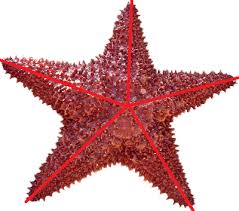

What kind of skeleton does the following animals have?
Spider, cricket and scorpion.
Endoskeleton
Exoskeleton

Identify this animal.
Porifera
Cnidaria
Platyhelminthes
Nematoda

Animals that have no backbone, segmented bodies, and bilateral symmetry, that can live in either land or marine environments are part of which phylum?
arthropods
cnidarians
chordates
annelids

Animals with a hard, spiny, outer body covering, and radial symmetry, that live in marine environments are part of which phylum?
echinoderms
cnidarians
annelids
arthropods

Animals that have a backbone belong in which phylum?
cnidarians
mollusks
arthropods
chordates

Animals with soft bodies that are sometimes protected by a shell, but other times are not, and can live either on land or in water are part of which phylum?
echinoderms
mollusks
annelids
chordates

Which animal phylum does this organism belong to?
echinoderms
cnidarians
arthropods
mollusks
Which of the following organisms are the most closely related? CHOOSE TWO


Who created the system of Taxonomy?
Albert Einstein
Carolus Linnaeus
Aristotle
Copernicus
What would the scientific name of this organism be?
Kingdom: Animalia
Phylum: Chordata
Class: Reptilia
Order: Crocodila
Family: Alligatoridae
Genus: Alligator
species: mississippiensis
alligator Mississippiensis
Crocodila chordata
Alligator mississippiensis
Reptilia crocodila
What would the scientific name of this organism be?
Kingdom: Animalia
Phylum: Chordata
Class: Mammalia
Order: Carnivora
Family:Canidae
Genus: Canis
species: mesomelas
Mammalia carnivora
Canidae mesomelas
Canis mesomelas
Animalia chordata
Binomial Nomenclature takes which two taxons to name a species?
Genus and Kingdom
Phylum and Class
Family and class
Genus and species

