
 Worksheets
Classification Review
Total questions: 40
Worksheet time: 48mins
Name
Class
Date
1.
Molds, yeast, and mushroom belong to kingdom:
a)
Eubacteria
b)
Archaebacteria
c)
Protista
d)
Fungi
2.
Tool used by a taxonomist to identify an unknown organism is a:
a)
dichotomous key
b)
binomial nmenclature
c)
scientific name
d)
binomial key
3.

A dichotomous key for trees is provided. Hikers found a tree that has large brown cones and single sharp needles. What species of tree have the hikers found?
a)
Juniper
b)
Pine
c)
Spruce
d)
Fir
4.

A dichotomous key for insects is given. To what order does an insect with two pairs of scaly wings belong?
a)
Coleoptera
b)
Heteroptera
c)
Diptera
d)
Lepidoptera
5.

A student discovers an arachnid with a segmented abdomen, long legs, and a tail with no stinger. The student uses the dichotomous key below to identify it. Which arachnid has the student found?
a)
Whip Scorpion
b)
Wind Scorpion
c)
Daddy long legs
d)
Scorpion
6.

An illustration and a dichotomous key are given. What is the correct classification for this organism?
a)
Class Insecta
b)
Order Amblygygi
c)
Order Araneae
d)
Order Scorpiones
7.

A labeled diagram of a fiddler crab is provided. Which of the following is an accurate observation of the structures of a fiddler crab? Fiddler crabs have -
a)
five pairs of walking legs on each side.
b)
an enlarged propodus on both front legs.
c)
a pair of eyes on stalks at the top of the body.
d)
two pairs or chelipeds for a total of four.
8.
What step do we always start with when using dichotomous keys?
a)
1
b)
2
c)
3
d)
4
9.
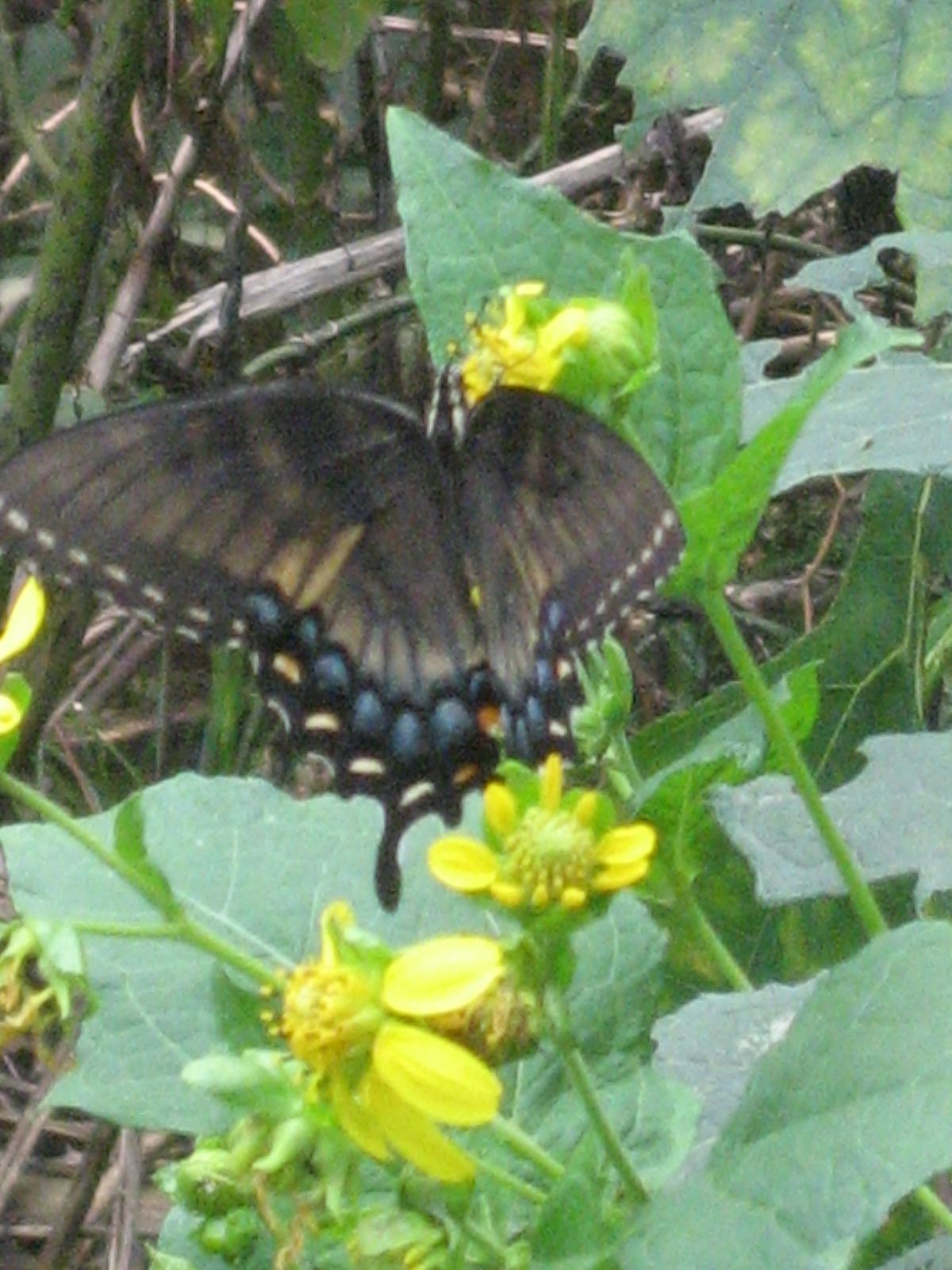
The 8 levels of classification, most broad to most specific.
a)
Domain, Genus, Family, Order, Class, Phylum, Kingdom, Species
b)
Domain, Species, Kingdom, Genus, Phylum, Family, Class, Order
c)
Domain, Kingdom, Phylum, Class, Order, Family, Genus, Species
d)
Order, Kingdom, Species, Domain, Phylum, Family, Class, Genus
10.
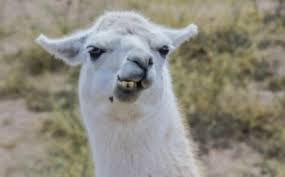
The first part of a scientific name is an organism's _______________ and the second part is its ________________.
a)
species, genus
b)
phylum, order
c)
class, spices
d)
genus, species
11.

In the energy pyramid here, which organisms have the most energy available?
a)
Producers
b)
Carnivores
c)
Herbivores
d)
Top Predator
12.
The scientific name for an organism is made from the:
a)
class and family name
b)
genus and species name
c)
domain and kingdom name
d)
kingdom and phylum name
13.
Term given to describe the 2 name naming system is:
a)
dichotmous key
b)
binomial nomenclature
c)
2 scientific names
d)
binomial key
14.
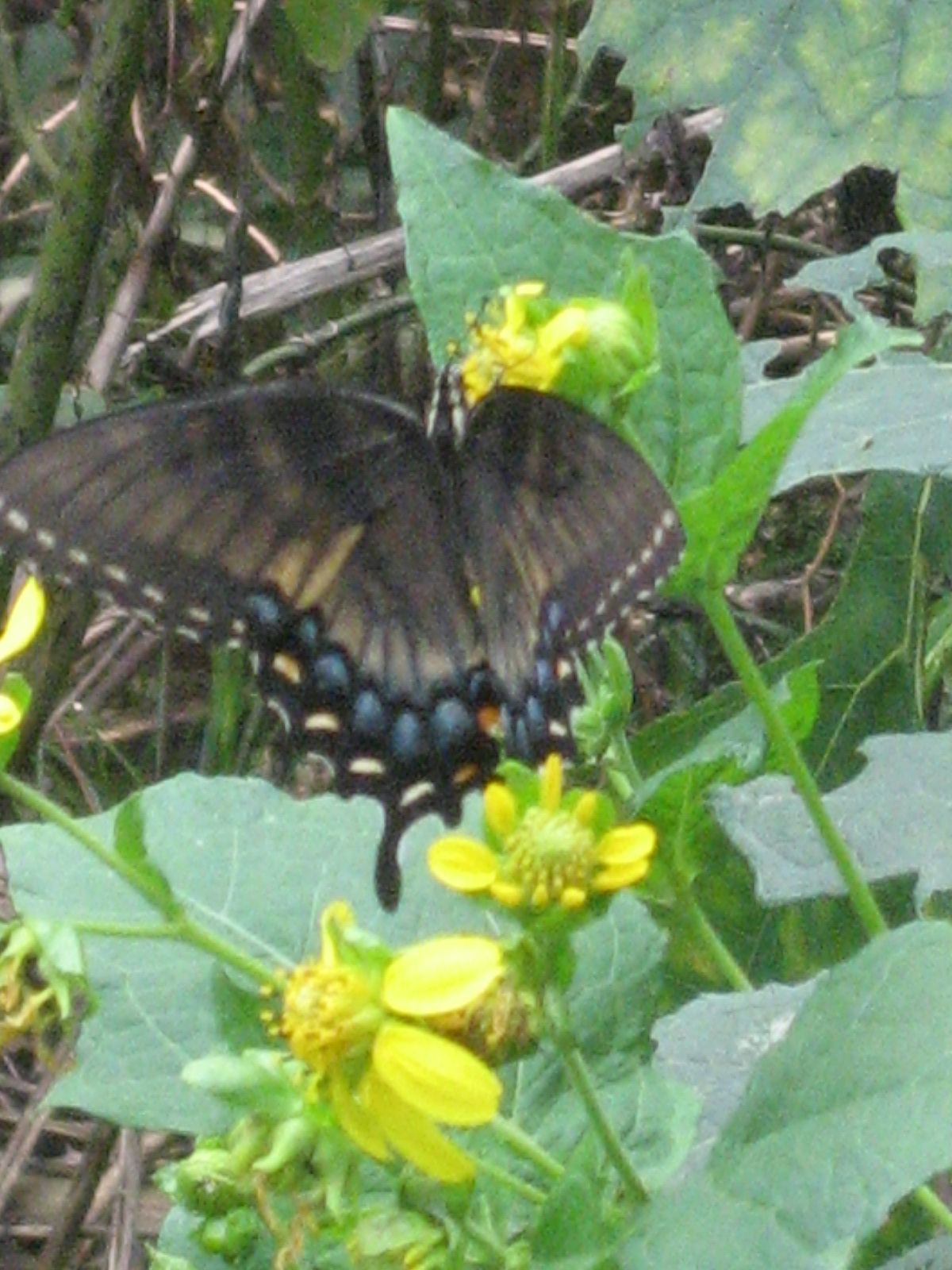
The 8 levels of classification, most broad to most specific.
a)
Domain, Genus, Family, Order, Class, Phylum, Kingdom, Species
b)
Domain, Species, Kingdom, Genus, Phylum, Family, Class, Order
c)
Domain, Kingdom, Phylum, Class, Order, Family, Genus, Species
d)
Order, Kingdom, Species, Domain, Phylum, Family, Class, Genus
15.
Who first proposed binomial nomenclature as a way of classifying organisms?
a)
Carolus Linnaeus
b)
Carl's Jr.
c)
Charles Darwin
d)
Henry Groseclose
16.
What is the most specific level of classification?
a)
Family
b)
Domain
c)
Species
d)
Carolus Linnaeus
17.
Members of this kingdom never have a cell wall
a)
Animalia
b)
Plantae
c)
Archaebacteria
d)
Protista
18.
In a dichotomous key, each question contains four choices.
a)
TRUE
b)
FALSE
19.
The grouping, Genus is just before the most specific category.
a)
TRUE
b)
FALSE
20.

Which kingdom do humans belong to?
a)
Plantae
b)
Fungi
c)
Animalia
d)
Protista
21.

Which domain is capable of living in extreme environments like hot springs, geysers, or very salty waters?
a)
Bacteria
b)
Archaea
c)
Eukarya
22.

According to this cladogram, sharks are MOST closely related to which organism?
a)
Amphibians
b)
Ray finned fish
c)
Crocodiles
d)
Birds
23.
How many Domains are there?
Name them:
Name them:
a)
3; Archaea, Bacteria, Eukarya
b)
2; Bacteria, Eukarya
c)
1; Eukarya
d)
3; Bacteria, Eukarya, Protists
24.
How many Kingdoms are there?
a)
3
b)
6
c)
5
d)
4
25.
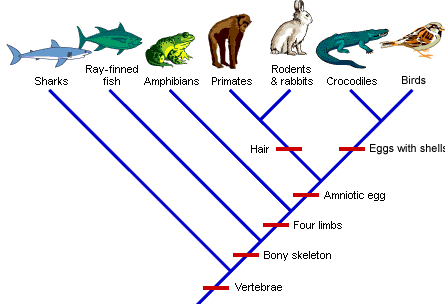
According to this cladogram, sharks are MOST closely related to which organism?
a)
Amphibians
b)
Ray finned fish
c)
Crocodiles
d)
Birds
26.
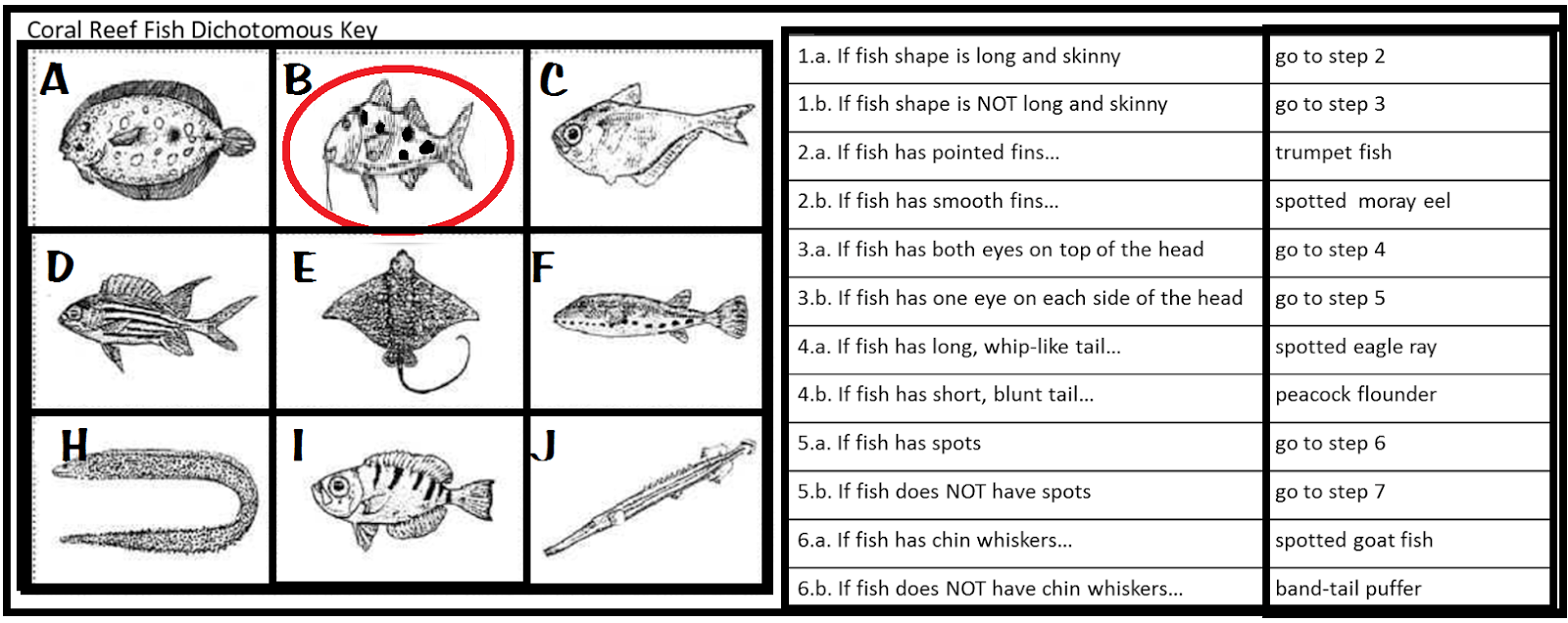
Using this dichotomous key, identity the name of the circled fish.
a)
band-tail puffer
b)
spotted goat fish
c)
peacock flounder
d)
trumpet fish
27.

Mold, yeast, and mushrooms all belong to the Kingdom _______.
a)
Archaebacteria
b)
Fungi
c)
Eubacteria
d)
Protista
28.
What is the genus name here:
Canis lupus
Canis lupus
a)
Canis
b)
lupus
29.

The scientific name for water bear is Hypsibius dujardini. What is its species?
a)
Hypsibius
b)
dujardini
c)
water
d)
tardigrade
30.
In a properly written scientific name, which part is lowercase?
a)
species
b)
genus
31.
In a properly written scientific name, which part is capitalized?
a)
species
b)
genus
32.

Who is the closest relative to the birds?
a)
crocodiles
b)
sharks
c)
fish
d)
amphibians
33.
Who is the closest relative to the sharks?
a)
crocodiles
b)
sharks
c)
ray-finned fish
d)
amphibians
34.
Invertebrates do NOT have a
a)
brain.
b)
heart.
c)
stomach.
d)
backbone.
35.
The 3 domains are Eukarya, Archaea, and
a)
Fungi
b)
Plantae
c)
Animalia
d)
Bacteria
36.
What two levels make up a scientific name?
a)
genus and order
b)
genus and species
c)
domain and kingdom
d)
family and genus
37.
What level comes after order?
a)
genus
b)
kingdom
c)
family
d)
species
38.
What level comes before class?
a)
phylum
b)
domain
c)
order
d)
family
39.
The 4 eukaryote kingdoms are Animals, Plants, Fungi, and
a)
Bacteria
b)
Archaea
c)
Humans
d)
Protists
40.
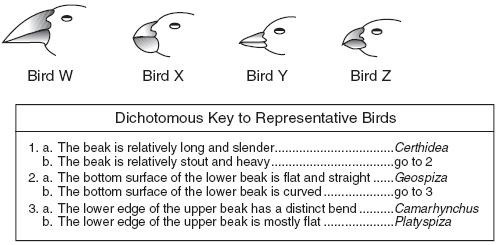
What is the name of bird W?
a)
Certhidea
b)
Geospiza
c)
Camarhynchus
d)
Platyspiza
100 %

