
 Worksheets
7th Grade Science Final
Total questions: 40
Worksheet time: 26mins

This change is a
chemical reaction
physical change
musical change
all answers are correct
What is a chemical reaction?
a change in matter when the molecules rearrange to make new molecules
a change in matter when matter changes its form or appearance
a change in matter when the physical appearance changes
a very boring change in matter

Which is the correct description of photosynthesis
Photosynthesis is a chemical reaction because the atoms of the molecules get rearranged to form new molecules
Photosynthesis is a chemical reaction because the molecules stay the same before and after the change
Photosynthesis is a physical change because nature makes it happen
Photosynthesis is a physical change because the atoms stay the same

The law of conservation of mass says substances can neither be _______ nor ___________.
Built; torn down
Blended together; separated
Created; destroyed
Condensed; extracted
Energy of motion
Thermal
Stored
Kinetic
Potential
What are the three methods of heat transfer?
conduction
convection
friction
radiation
Process of changing a liquid to a solid
boiling
freezing
condensation
melting

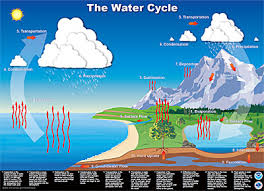

When two air masses collide, a boundary forms between them called a ________________.
weather front
current
pressure zone
weather forecast
In areas of _____________ air is sinking and dry leading to clear skies.
low pressure
high pressure
warm front
cold front
Which type of air is more dense?
warm air
cold air
tropical air
Plant cells make their own food by taking in
oxygen and water.
oxygen and hydrogen.
carbon dioxide and water.
carbon dioxide and oxygen.
What process describes how plants use air, water, and energy from the Sun to make their own food?
condensation
evaporation
photosynthesis
weathering
The passing of traits from parent to child is known as _______________.
heredity
gene
DNA
RNA
Which of the following is homozygous recessive?
RR
Rr
rR
rr
Which genotypes are heterozygous?
EE
tt
Rr
Both EE and tt
Which genotypes are homozygous dominant?
EE
tt
Rr
Both EE and tt
What word describes a trait that helps an organism survive in its environment?
natural selection
mutation
camouflage
adaptation
Natural Selection is driven by a change in the environment and survival of the
Earth
Fastest
Fittest
Biggest
People depend on the oceans for __________________.
Natural resources
Food and water
Transportation
All of the above.
Human activities are increasing the level of greenhouse gases in the atmosphere.
True
False
What is an effect of global warming?
melting glaciers and rising sea levels
population is increasing
more forest areas
all of the above
What is the purpose of the Circulatory System?
Transports oxygen and nutrients
Removes extra water and wastes
Digests foods and absorbs nutrients
Collects, transfers and processes information
What is the purpose of the Skeletal System?
Transports oxygen and nutrients
Supports and protects the body, creates blood
Movement and heat production
Gas exchange in the body and lungs
Which level of organization are you at?
Tissue
Organ
Organ System
Organism
Which level of organization is a heart at?
Cell
Tissue
Organ
Organ System
What term describes the variety of different organisms found in an ecosystem?
population
biodiversity
ecosystem services
symbiosis
Below is an example of a simple food chain.
Acorn → Squirrel → Fox → Mountain Lion
What will most likely happen if squirrels are removed from the food chain?
The fox will eat acorns
The fox population will decrease
The trees will produce fewer acorns.
The mountain lion population will increase
Why do the populations of invasive species grow so quickly?
Invasive species are native to an area and thrive there.
Invasive species are prey to many animals so they must keep large populations.
Invasive species have no predators in their new ecosystems so they grow unchecked.
Invasive species keep the ecosystems in equilibrium by having large numbers.
Increasing concentration of toxins in an organism as a result of ingesting other plants or animals in which the toxins are widely distributed is called:
biomagnification
point-source pollution
artificial eutrofication
consumable pollution
Receives stimuli and transports impulses, coordinates actions and reactions in the body
Integumentary
Nervous
Circulatory
Respiratory
Supplies blood with oxygen and rids the body of carbon dioxide
Integumentary
Nervous
Circulatory
Respiratory

