
NEW
Font size
 Worksheets
Respiratory System
Total questions: 40
Worksheet time: 32mins
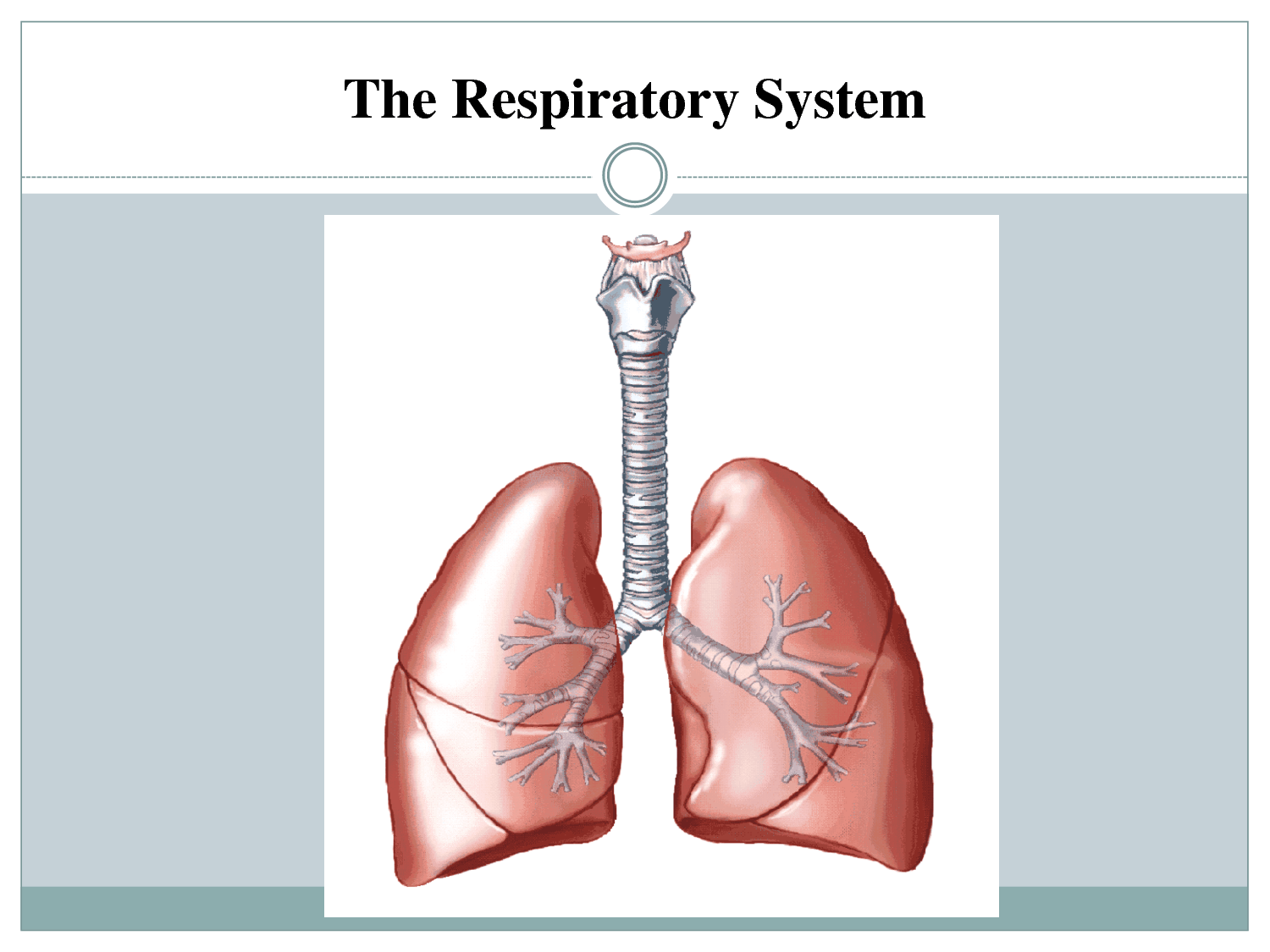
What is the main function of the respiratory system?
to provide oxygen and remove carbon dioxide from the body
o break down food and absorb nutrients
to remove oxygen from the body and deliver carbon dioxide
What are the main organs of the respiratory system that allow us to breathe and for gas exchange to happen?
diapragm
lungs
trachea

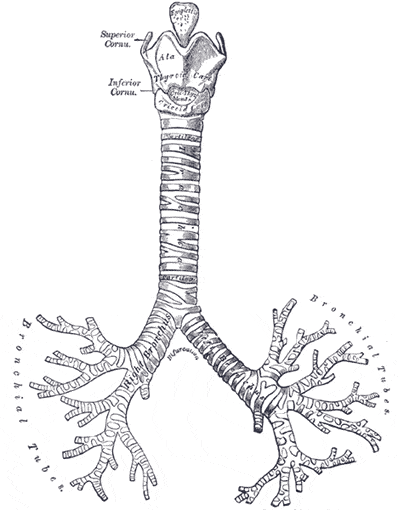

Flap of tissue that covers the opening to the windpipe during swallowing
Pharynx
Trachea
Epiglottis

What type of cells carry oxygen in the blood?
red blood cells
white blood cells
The circulatory system works with the ___________ system to provide our body with oxygen and get rid of CO2 (carbon dioxide).
respiratory
digestive
muscular
skeletal
The only externally visible part of the respiratory system
Eyes
Nose
Pharynx
Larynx
Which part of the Respiratory System plays a major role in speech? Also known as the voice box.
nose
pharynx
larynx
trachea
The large muscle that contracts and relaxes and moves air in and out of the lungs.
epiglottis
alveoli
diaphragm
trachea
An air tube that is held open by C-shaped rings of cartilage. Also known as the windpipe.
pharynx
trachea
nose
alveoli
Tiny hairlike structures that line your nose and most other airways of the respiratory system.
larynx
alveoli
cilia
diaphragm
The main organs of the respiratory system
heart
lungs
esophagus
trachea
tiny, hairlike projections in the airway that move in a wavelike manner.
alveoli
cilia
trachea
lungs

What can you infer about the function of the ribcage?
It protects the lungs.
It helps the lungs pump oxygen.
It delivers oxygen from the lungs to the bloodstream.
It connects the trachea to the lungs.
What word best describes the function of the trachea?
Pumping station
Entrance point
Muscle
Passageway
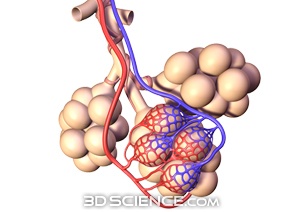
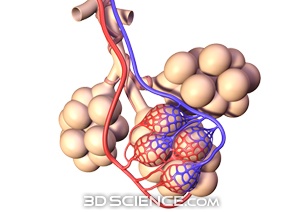
The walls of the alveoli and capillaries are permeable. What does this mean?
Substances can pass through them.
They are made of muscle.
They are located throughout the body.
They are made of bone.
What happens when your diaphragm relaxes and moves upward?
Your lungs deflate and you breathe out.
Your lungs inflate and you breathe in.
Your alveoli transfer oxygen to your bloodstream.
Your bloodstream transfers carbon dioxide to your alveoli.

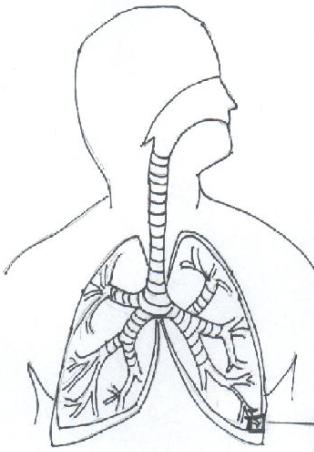
What organ of the respiratory system is in blue.
pharynx
trachea
larynx
epiglottis
What organ of the respiratory system is in purple.
pharynx
trachea
larynx
epiglottis
What is the dome-shaped muscle beneath the lungs that helps us breathe.
diagram
dialysis
diaghragm
diorama
Where does cellular respiration take place in?
chloroplast
mitochondria
nucleus
vacuole


When you exhale, the diaphragm
moves upwards
moves downwards
flattens
none of the above
1. larynx
2. nasal cavity
3. pharynx
4. trachea
Which of the following is the correct order that air would flow during inhalation.
The process of diffusing oxygen from the blood, into the interstitial fluid and into the cells.
inspiration
expiration
internal respiration
external respiration
The process of exchanging oxygen and carbon dioxide in the lungs.
inspiration
expiration
internal respiration
external respiration

