wayground logo

Free Printable Worksheets

NEW

Font size

S
M
L
XL
Worksheets

Revision test 3rd year

Total questions: 40

Worksheet time: 2hrs 0mins

Name
Class
Date
1.

Which of the following is not a characteristic of all living things:

a)

reproduction

b)

respiration

c)

excretion

d)

photosynthesis

2.

What characteristic is shown: A bacteria cell divides itself in two.

a)

Reproduce

b)

Respond to a Stimulus

c)

Homeostasis

d)

Grow and Develop

3.

Which characteristic is shown: A chocolate lab puppy becomes a fully grown dog.

a)

Respond to a Stimulus

b)

Grow and Develop

c)

Homeostasis

d)

Change Over Time

4.

Which characteristic is shown: A deer runs from a dog after hearing barking.

a)

Made of Cells

b)

Respond to a Stimulus

c)

Acquire and Use Energy

d)

Homeostasis

5.

Which characteristic is shown: An unknown organism is shown to have a cell wall and organelles.

a)

Made of Cells

b)

Homeostasis

c)

Respond to a Stimulus

d)

Reproduce

6.
What is the most basic unit of life?
a)
cell
b)
tissue
c)
organ
d)
organ system
7.
Which one of the following is a characteristic of life?
a)
Growth
b)
Breathing
c)
Expelling toxins
d)
Photosynthesis
8.
Which one of these is NOT one of the characteristics of living things?
a)
All living things drink water.
b)
All living things are composed of one or more cells.
c)
All living things grow develop and have life spans.
d)
All living things reproduce.
9.
Which one of these is NOT one of the characteristics of living things?
a)
All living things eat.
b)
All living things reproduce.
c)
All living things require energy for life processes.
d)
All living things respond to the environment/stimuli.
10.
I am the outer most layer of an animal cell. What am I?
a)
cell wall
b)
nucleus
c)
cell membrane 
d)
cell skin
11.
I store water in both plant and animal cells. What am I?
a)
cytoplasm
b)
ribosomes
c)
vacuole
d)
lysosomes
12.
I am only found in a plant cell. What am I?
a)
cell wall
b)
mitochondria
c)
cytoplasm
d)
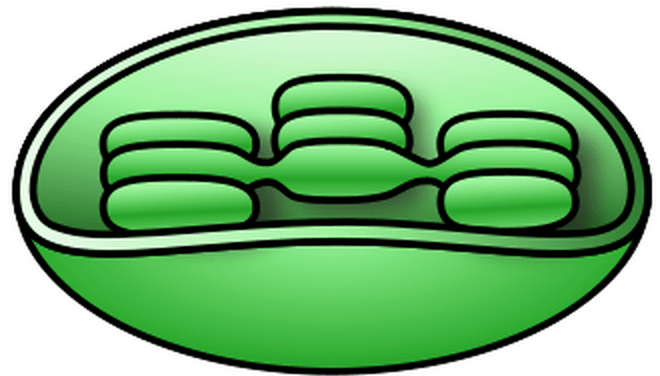
chloroplast
13.
Controls what enters/leaves a cell
a)
cell membrane
b)
Nuclear membrane
c)
cell wall
d)
cytoplasm
14.
stiff, protective outer layer of plant cells
a)
cell membrane
b)
nuclear membrane
c)
cell wall
d)
cytoplasm
15.
releases energy for cells to use, most common in animal cells
a)
mitochondria
b)
ribosomes
c)
lysosomes
d)
nucleolus
16.
collect sunlight which it converts to sugars
a)
chloroplasts
b)
cytoplasm
c)
cell wall
d)
mitochondria
17.
jello-like material, fills the space between cell organelles, is where many chemical reactions occur
a)
cytoplasm
b)
chromatin
c)
chloroplast
d)
cell membrane
18.
Directs all cell activities through the DNA located there.
a)
Lysosomes
b)
Nucleus
c)
ribosomes
d)
Mitochondria
19.
What process occurs when WATER diffuses across a membrane?
a)
endocytosis
b)
mitosis
c)
osmosis
d)
nuclear fission 
20.
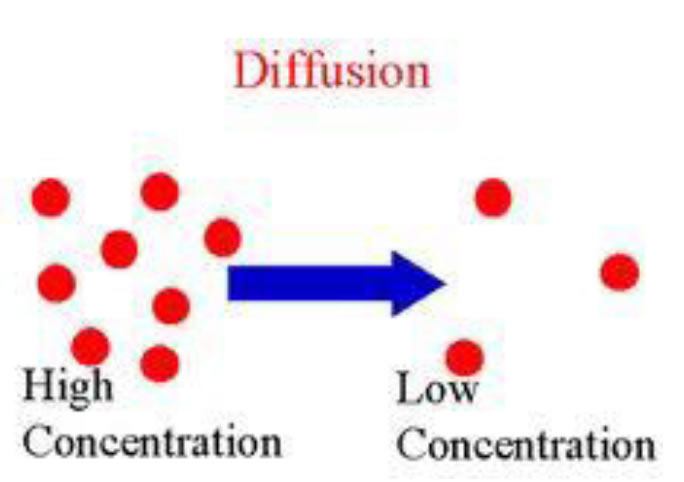
When particles move from areas of high concentration to areas less concentrated, this has taken place.
a)
diffusion
b)
mitosis
c)
endocytosis
d)
photosynthesis
21.
Why is diffusion and osmosis important to cells?
a)
It allows them to take in materials without using energy.
b)
It allows them to reproduce.
c)
It allows them to absorb sunlight.
d)
It allows cells to use all energy.
22.
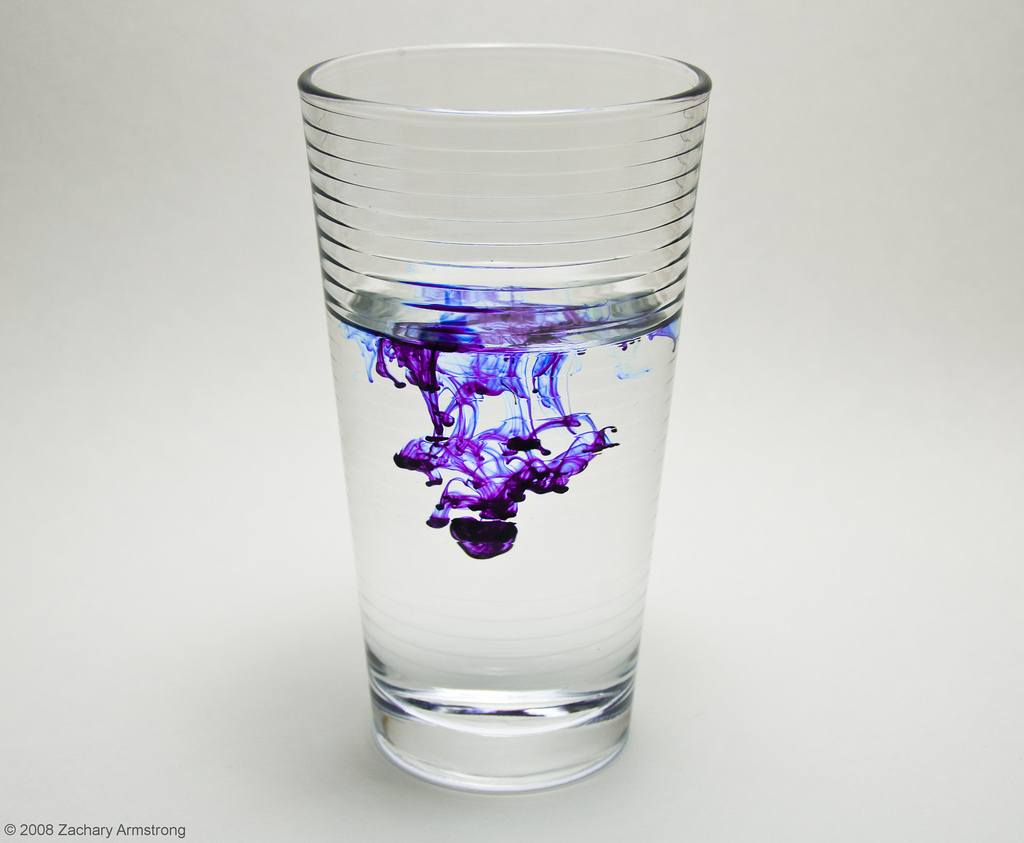
Where is there a low concentration of dye?
a)
at the bottom of cup
b)
in the color
c)
at the top of cup 
d)
no concenteraion gradient
23.
During osmosis
a)
water moves from high to low concentration
b)
large or oddly shaped molecules move across a cell membrane
c)
water moves when energy is used
d)
proteins are built
24.
Permeable means
a)
things can pass through
b)
the concentration levels are different
c)
it is permanent
d)
things are stuck
25.
Movement of particles from high to low concentration. 
a)
Passive Transport
b)
Active Transport
26.
Which diagram best shows the end result of diffusion?
a)
F
b)
G
c)
H
d)
J
27.
The picture  is an example of _________________.
a)
isotonic
b)
diffusion
c)
osmosis
d)
active transport
28.
When both inside and outside of a cell have the same amount of water it is said that the cell has reached a state of ___________.
a)
osmosis
b)
equilibrium
c)
diffusion
d)
hypertonic
29.

Passive transport requires ________________

a)

concentration gradients

b)

no energy

c)

motion

d)

energy

30.

The diffusion of particles through the cell membrane from high to low concentration is called ....

a)

exocytosis

b)

active transport

c)

passive transport

d)

osmosis

31.

When the smell of perfume spreads throughout a room, it is an example of ....

a)

passive transport

b)

diffusion

c)

active transport

d)

osmosis

32.
Solutes move against the concentration gradient, therefore energy is needed
a)
Passive Transport
b)
Active Transport
33.
This picture represents what type of cell transport?
a)
endocytosis
b)
exocytosis
c)
osmosis
d)
passive transport
34.
This picture represents which type of cellular transport?
a)
passive transport
b)
endocytosis
c)
exocytosis
d)
osmosis
35.
The cell below is in a _____________ solution.
a)
Hypertonic
b)
Hypotonic
c)
Isotonic
36.
The cell below is in a _________ solution.
a)
Hypotonic
b)
Hypertonic
c)
Isotonic
37.
A cell will __________________ in a hypotonic solution.
a)
swell and perhaps burst (lyse)
b)
shrink
c)
the size of the cell will not change
d)
the size of the cell will change from large to small and from small to large
38.

Which element is not found in carbohydrates?

a)

Carbon

b)

Nitrogen

c)

Oxygen

d)

Hydrogen

39.

Starch is a carbohydrate. Which building block is starch made from?

a)

Amino acids

b)

Fatty acids

c)

Fructose

d)

Glucose

40.

What is the function of proteins?

a)

They are used for cell to cell communication

b)

They insulate the body, are used for short term energy and are found in glycogen

c)

They are used as the structural components of the body (muscles and organs)

d)

They create the cell membrane