wayground logo

Free Printable Worksheets

NEW

Font size

S
M
L
XL
Worksheets

Cell Theory & Organelles

Total questions: 67

Worksheet time: 39mins

Name
Class
Date
1.

What type of organisms does the cell theory apply to

a)

bacteria

b)

multicellular organisms

c)

plants and animals

d)

all of the above

2.
A plant and an animal are both living things. According to the Cell Theory, what can you conclude about these two very different organisms?
a)
Plants have cells but animals do not.
b)
They are both made of one or more cells. 
c)
They both come from the same kind of cell.
d)
They both come from a non-living organism.
3.
Cells are often called "the ____ of life."
a)
bread
b)
road map
c)
building blocks
d)
meaning
4.

Cell theory states that...

a)

cells are the basic building block of life

b)

cells are cool

c)

cells are microscopic

d)

cells cannot be destroyed

5.
What tool do you use to view the cells?
a)
metric ruler
b)
centrifuge
c)
microscope
d)
pipette
6.
Which statement is a part of the cell theory?
a)
all cells come from preexisting cells
b)
bacteria are prokaryotic cells
c)
eukaryotic cells are complex
d)
humans are multicellular
7.
The ___ is the basic unit of sturucture and function of organisms
a)
atom
b)
cell
c)
matter
d)
all other answers are correct
8.

There are three tenets of the Cell Theory. Which of the following is NOT a tenet?

a)

Cells are the basic structure and function of life.

b)

All living things are made of one or more cells.

c)

The cell is the basic unit of matter.

d)

All cells come from preexisting cells.

9.

What are the two types of cells?

a)

Prokaryotic & Eukaryotic

b)

Bacteria & Eukaryotic

c)

Eukaryotic

d)

Animal & Plant

10.

Prokaryotic cells do not have_____.

a)

DNA

b)

Cell Membrane

c)

Cytoplasm

d)

Nucleus

11.

Which typeof cell has membrane bound organelle?

a)

Prokaryotic cells

b)

Bacteria cells

c)

Eukaryotic cells

d)

E-coli bacterium

12.

What kinds of organisms contain prokaryotic cells?

a)

Fungi

b)

Animals

c)

Plants

d)

Bacteria

13.

The prefix Eu and suffix kary indicate that Eukaryotic cells have

a)

No nucleus

b)

A True nucleus

c)

Before nucleus

d)

No kernel

14.

Which of these organisms are not prokaryotes?

a)

Fungi

b)

E-coli

c)

Streptococcus

d)

Bacteria

15.

Which of these organisms are not eukaryotes?

a)

Yeast

b)

Algae

c)

Fungi

d)

Bacteria

16.

Which is not true of the cell theory?

a)

All living organisms are composed of cells.

b)

All cells have a nucleus, which acts like the brain of the cell.

c)

All cells come from preexisting living cells.

d)

The cell is the most basic part of a living organism.

17.
It is the processing, packages and secretes proteins; proteins are transported in vesicles  .
a)
Ribosomes
b)
Lysosomes
c)
Golgi apparatus
d)
Mitochondria
18.
It is called the "powerhouse" of a cell.

a)
nucleus
b)
mitochondrion
c)
lysososme
d)
ribosome
19.

An organism made of one cell is called________.

a)

eukaryotes

b)

prokaryotes

20.
What is the function of a cell wall?
a)
to protect and support the cell
b)
to perform different functions in each cell
c)
to prevent water from passing through it
21.
Which organelle belongs in plant cells only?
a)
Cytoplasm
b)
Mitochondrion
c)
Large Central Vacuole
d)
Cell Membrane
22.
What is this?
a)
mitochondria
b)
lysosomes
c)
chloroplast
d)
endoplasmic reticulum
23.
I make proteins for the cell. What am I?
a)
ribosome
b)
mitochondria
c)
chloroplast
d)
lysosome
24.
What is the difference between rough and smooth ER?
a)
There is no difference.
b)
Plants have rough ER, animals have smooth ER.
c)
What type of injuries the Doctors treat.
d)
Rough has ribosomes, smooth does not.
25.
Captures energy from the sunlight and uses it to produce food in a plant cell
a)
Chloroplast
b)
Ribosomes
c)
Nucleus
d)
Cell Wall
26.

Directs the cells activities and contains the cell’s DNA

a)

Cell Membrane

b)

Chloroplast

c)

Nucleus

d)

Golgi Body

27.

Gel like fluid that carries nutrients, proteins, and organelles around the cell

a)

Vacuole

b)

ER

c)

Ribosomes

d)

Cytoplasm

28.

Stores food, water, waste products, or other materials until the waste is removed

a)

Golgi Body

b)

Cell Membrane

c)

Lysosomes

d)

Vacuole

29.

Makes food for the cell by using energy from sunlight, also what makes the plant green

a)

Cell Wall

b)

Chloroplast

c)

Ribosomes

d)

Nucleus

30.

Barrier that surrounds the cell and controls what goes in and out of the cell

a)

Cell Membrane

b)

Cell Wall

c)

Nucleus

d)

Cytoplasm

31.
Produces the energy a cell needs to carry out its functions.
a)
Mitochondria
b)
Ribosomes
c)
Lysosomes
d)
Golgi Bodies
32.
Letter L represents which cell organelle?
a)
golgi body
b)
cell membrane
c)
cytoplasm
d)
mitochondria
33.
Letter L represents which cell organelle?
a)
golgi body
b)
cell membrane
c)
cytoplasm
d)
mitochondria
34.
Letter J represents which cell organelle?
a)
cell wall
b)
cell membrane
c)
cytoplasm
d)
mitochondria
35.
Letter I represents which cell organelle?
a)
cell wall
b)
cell membrane
c)
cytoplasm
d)
chloroplast
36.
Letter H represents which cell organelle?
a)
cell wall
b)
cell membrane
c)
cytoplasm
d)
chloroplast
37.
Letter G represents which cell organelle?
a)
cell wall
b)
cell membrane
c)
cytoplasm
d)
chloroplast
38.
Letter F represents which cell organelle?
a)
smooth ER
b)
rough ER
c)
golgi body
d)
vacuole
39.
Letter E represents which cell organelle?
a)
smooth ER
b)
rough ER
c)
golgi body
d)
vacuole
40.
Letter D represents which cell organelle?
a)
smooth ER
b)
rough ER
c)
golgi body
d)
vacuole
41.
Letter L represents what cell part?
a)
nucleus
b)
nucleolus
c)
nuclear membrane
d)
cytoplasm
42.
What is the cell organelle that provides structure to the outside of a PLANT cell?
a)
cell wall
b)
cell membrane
c)
nucleus
d)
nuclear membrane
43.
What is the cell organelle that is a gel-like material inside the cell that contains water and nutrients?
a)
rough ER
b)
smooth ER
c)
ribosomes
d)
cytoplasm
44.
What is the cell organelle that forms the outer boundary of a cell and allows certain materials to move into and out of a cell?
a)
nucleus
b)
cell membrane
c)
cell wall
d)
cell barrier
45.

The two kinds of cells are Prokaryotes and Eukaryotes. How are they different?

a)

Prokaryotes have a nucleus.

b)

Eukaryotes have a nucleus.

c)

There is no difference.

d)

Only eukaryotes have DNA

46.
What organelle is considered to be the “gatekeeper” for plant and animal cells?

a)
Cell Wall
b)
Cytoplasm
c)
Nucleous
d)
Cell Membrane
47.
What am I?
a)
vacuole
b)
ribosome
c)
endoplasmic reticulum
d)
golgi apparatus
48.
What am I?
a)
Nucleus
b)
Golgi Body
c)
Mitochondrion
d)
Plasma Membrane
49.
Which of the following is the correct order of organization in living things from most basic (simple) to most complex?
a)
a.  Organism, cell, tissue, organ, organ system
b)
a.  Organ system, organ, tissue, cell, organism
c)
a.  Cell, tissue, organ, organ system, organism
d)
a.  Cell, organ, tissue, organ, organism, organ system
50.
A group of similar cells that come together to perform a specific function is a/an
a)
organ
b)
organism
c)
organ system
d)
tissue
51.
Anything that can perform life processes by itself is a/an
a)
cell
b)
organ
c)
organism
d)
organ system
52.
When a group of organs work together to perform a particular function they create a/an
a)
organ system
b)
organism
c)
tissue
d)
organ
53.
The smallest level of organization of life in an organism
a)
tissue
b)
cell
c)
organ
d)
organ system
54.
The cell is the building block of all living things.
a)
True
b)
False
55.
A group of organs that work together to perform big jobs for your body is an organ system.
a)
True
b)
False
56.
Which is an example of an organism?
a)
a beetle
b)
a lake
c)
a rock
d)
a shell
57.
What is the difference between a cell and a tissue?
a)
cell is basic unit of life; tissue is group of cells that work as one
b)
cell is group of tissues; tissue is basic unit of life
c)
cell is basic unit of life; tissue is groups of different cells
d)
cell is group of organs; tissue is group of different cells
58.
Tissue that works together to perform a function
a)
organ
b)
cell
c)
organ system
d)
organism
59.
What do you have when organ systems work together?
a)
organs
b)
organism
c)
cells
d)
tissue
60.
A group of cells that work together
a)
organ system
b)
organism
c)
organ
d)
tissue
61.
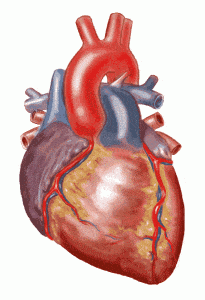
The heart contains different types of tissue. What level is the heart?
a)
cell
b)
organ system
c)
organ
d)
tissue
62.
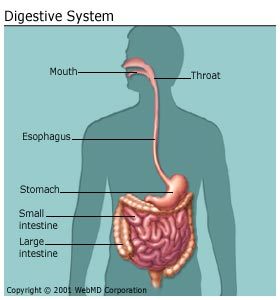
The digestive system includes the stomach. What level is the stomach?
a)
organ
b)
tissue
c)
cell
d)
organism
63.
A group of different tissues working together to do a job is called a/an _____.
a)
tissue
b)
organ
c)
stem cell
d)
organ system
64.
This is a example of........ 
a)
organ system
b)
cells
c)
organ
d)
tissue
65.
This is a example of ........
a)
cell
b)
organ system
c)
organ
d)
tissue
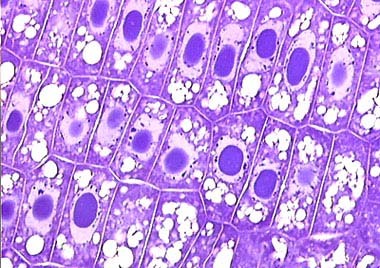
66.
This is a example of ........
a)
cell
b)
tissue
c)
organ 
d)
organ system
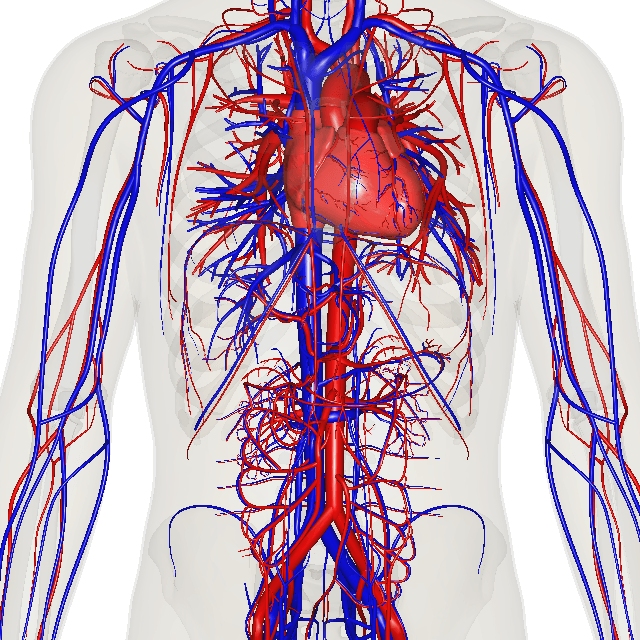
67.
This is a example of ........
a)
organ
b)
organ system
c)
tissue
d)
cell