
 Worksheets
APES water pollutants
Total questions: 38
Worksheet time: 34mins
Which water quality test will best determine the disruption of photosynthesis caused by cloudy water conditions from sedimentation?
Temperature
Salinity
Dissolved oxygen
pH
Turbidity
Which of the following is a point-source pollutant?
Sediment loading from erosion
Runoff of pesticides from croplands
Animal wastes from feedlots
Fertilizer runoff from urban areas
A sewage treatment plant effluent pipe
Which of the following river conditions would yield the highest dissolved oxygen content?
Fast-moving cold water, large amounts of submerged vegetative biomass
Stagnant, warm water with large clumps of algae
Slow- moving warm waters, low amounts of submerged vegetative biomass
Warm water with little vegetative biomass
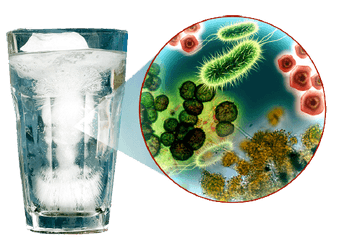
Presence of fecal coliform bacteria suggests that
a factory polluted the river
a nearby treatment plant added chlorine to the waste water
the water is safe for drinking
untreated animal waste contaminated the water
What effect can increased water temperature have on dissolved oxygen (DO) content?
Increased water temperature decreases DO levels
Increased water temperature increases DO levels
Increased water temperature has no effect on DO
Air temperature is the only factor that can affect dissolved oxygen levels
Thermal pollution can result when...
DO levels decrease
A factory dumps water directly into a lake
Nitrate levels peak
Turbidity decreases
How do decomposers influence the pH of a lake?
By producing oxygen , which raises pH.
By trapping detritus, which lowers pH.
By producing bacteria, which increases water holding capacity.
By producing CO2 which decreases pH.
What is one impact of increaesd turbidity?
Greater rate of temperature change as you move from the surface to the bottom
Decreased water temperature
Increases in the amount of runoff from a local golf course
Lower photosynthetic activity from plants on the bottom of the water system
Fecal coliform are bacteria that are found in feces. Scientist monitor water systems for the presence of fecal coliform. If any are found, then diseases and sickness may occur to organisms and humans. What would cause fecal coliform to be in a water system?
Soil erosion in mountainous areas
Sewage spills from a local waste water treatment plant
High dissolved oxygen levels
Increased nitrate levels from farmland within the river basin
Which choice contains items that can increase nitrate or phosphate levels in a lake?
Fecal coliform and sewage
Sewage and acid rain
Increased algae growth and thermal pollution
Fertilizers and laundry detergents
What is the most immediate effect or nitrate of phosphate pollution?
Increased algae growth
Greater macroinvertebrate diversity
A decrease in decomposer activity.
Decreased turbidity.
Which of these bodies of water would most likely have the highest dissolved oxygen content?


Potability (potable) is
the measure of water quality indicating the amount of free oxygen dissolved in water
water that is suitable for drinking
organisms or components of organisms that are used to assess the health of a water system
the muddiness created by stirring up sediment or having foreign particles suspended
Thermal Pollution is
industrial discharge of heated water into a river, lake, or other body of water, causing a rise in temperature that endangers aquatic life
facilities that remove contaminants from wastewater and household sewage water (both runoff and domestic) so that it is safe for human consumption
the measure of how hot or cold the water is which affects the amount of dissolved oxygen present in the water
inorganic compounds that are used in fertilizers and detergents and that are a major source of water pollution and explosive algae growth
Faster water tends to be _______ than slower water.
warmer and have more DO
warmer and have less DO
colder and have more DO
colder and have less DO
Here are the steps during cultural eutrophication. Which answer choice has them in the correct order?
A)Algal bloom
B)Leaching of nutrients from fertilized lands
C) Fish die off
A, B, C
C, B, A
B, A, C
C, A, B
Primary treatment process in a sewage plant removes which of the following?
pathogens
solids
gases
toxins
Which of the following happens to sludge that is created from a wastewater plant? (CHOOSE ALL THAT APPLY)
can be deposited in landfill
can be incinerated
used as fertalizer
What carcinogenic compound was formerly used in plastics?
PCBs
DDT
Perchlorates
Radon
Which of the following is a hormone that can affect the development of amphibians?
estrogen
melatonin
keratin
glucogen
The Safe Drinking Water Act...
legislates what additives can be in drinking water
legislates the maximum contaminant levels in drinking water
legislates how companies dispose of contaminated water
legislates the maximum amount of water allowed for industrial processes

