
 Worksheets
5th Grade Science State Test Review
Total questions: 82
Worksheet time: 57mins
Plants need only what two things to grow?
air
dirt
sun
water


Plants use photosynthesis to make
water
sunlight
carbon dioxide
sugar


How would you describe foxes in this food web?
producers
herbivores
omnivores
carnivores

Which of the following statements is true about this food web?
Owls get their energy needs from mice and grasshoppers
Rabbits have 3 energy sources
grasshoppers prey on birds
foxes are the top producers

In the food web above, what organism is missing from this food chain:
Grass --> Slug --> ________ --> Hawk
Vole
Frog
Insect
Thrush


The main source of energy for ALL organisms comes from
producers
the sun
primary consumers
secondary consumers
Which animal is not using energy from its food to do its activity?
a. A polar bear sleeps while hibernating
b. A tiger rests while digesting its food
c. A lizard sits in the sun to get warmer
d. A crocodile lays eggs in a nest
What are three different ways an animal uses energy from its food?
a. growth, digestion, and movement
b. love, anger, and kindness
c. sadness, happiness, and cleverness
d. love, body repair, and hate
All matter is made of:
energy
particles
electrons
compounds
The amount of matter something contains is its ______________.
gas
solid
weight
mass
If particles are fast moving the matter must be
a solid
a liquid
a gas
Solids have a definite _______________.
smell
shape
picture
sound
Liquid matter takes the shape of _______.
a gas
water
a pet
Its container
When any gas cools enough to form a liquid; the process is called:
Condensation
Melting
Freezing
Liquid
Which state of matter is usually not visible?
solid
liquid
gas
they are all visible
If particles are slow moving the matter must be
a solid
a liquid
a gas
Which of the following are OBSERVABLE properties of matter? Select all that apply.
Texture
Shape
Size
Color
Mass

Compare the two coins. What can you observe by looking at them?
The quarter is heavier.
The penny is smaller.
Both coins feel smooth.
Both coins smell like metal.
Something that does not easily crumble if you hit it with a hammer, like a diamond, is probably very ___.
hard
shiny
magnetic
soluble
When you look at the _____ of a piece of fruit, it may tell if the fruit is ripe or not.
hardness
shininess
color
solubility
When you hang a picture on your refrigerator, the clip that holds it up is probably ______.
hard
shiny
magnetic
soluble
Whether something dissolves in water or not depends on its _____.
hardness
conductivity
color
solubility
Metals such as copper have a high level of _______ and transfer electricity easily, while rubber does not.
hardness
conductivity
color
solubility
A new substance ________ has at least 1 property that is different from the original substance.
sometimes
always
never
often
4 signs that a new substance is formed
color change
smell
release of light
take in or give off heat
All of the above
____________ are irreversible. You cannot get the original substances back again.
Chemical change
Physical change
mixture
solution

Baking Cookies
Physical Change
Chemical Change

Lighting a Match
Physical Change
Chemical Change

Melting Ice Cream
Physical Change
Chemical Change

Popping Popcorn
Physical Change
Chemical Change

Blowing up a balloon
Physical Change
Chemical Change

Evaporating Water
Physical Change
Chemical Change

Earth's gravity pulls everything toward:
North
South
East
The center of the earth
As mass increases, gravitational forces:
Increase
decrease
stay the same
disappear
A measure of gravitational force is:
weight
mass
newtons
watts
Why doesn't the sun pull us off the earth?
It is too small
It is too far away
It is too big
It is too close

In comparison to other stars in the sky, the Sun appears brighter than other stars because it is–
Bigger
Smaller
Closer
Further

Alpha Centauri A is a star that is larger than the Sun, yet it appears much less bright. Which of the following is the best explanation for this?
Alpha Centauri A is further away from Earth than the Sun.
The smaller a star the brighter it appears
The older the star the brighter it appears
The larger the star always appears to be brighter

How many of the stars, visible in the night sky, are closer to Earth than the Sun?
3
2
1
0

Sam and his friend George were looking at the stars. Sam pointed at one star and told George it was closer than the other stars. What evidence supports his claim?
The star is a different color to the other stars
The star appears brighter than the other stars
The star twinkles more than the other stars
The star appears smaller than the other stars
When the sun gets higher in the sky, shadows get ______.
longer
gone
shorter
darker
When the sun gets lower in the sky, shadows get______.
longer
gone
shorter
darker
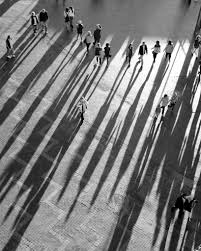
When was this picture most likely taken?
(Hint: think about the shadow's length)
morning or evening
night
noon
afternoon

Which of the following represents the longest shadow?


Why do the stars are moving in the night sky?
Earth's orbit the Sun
Earth's rotating at its axis
Moon's orbit the Earth
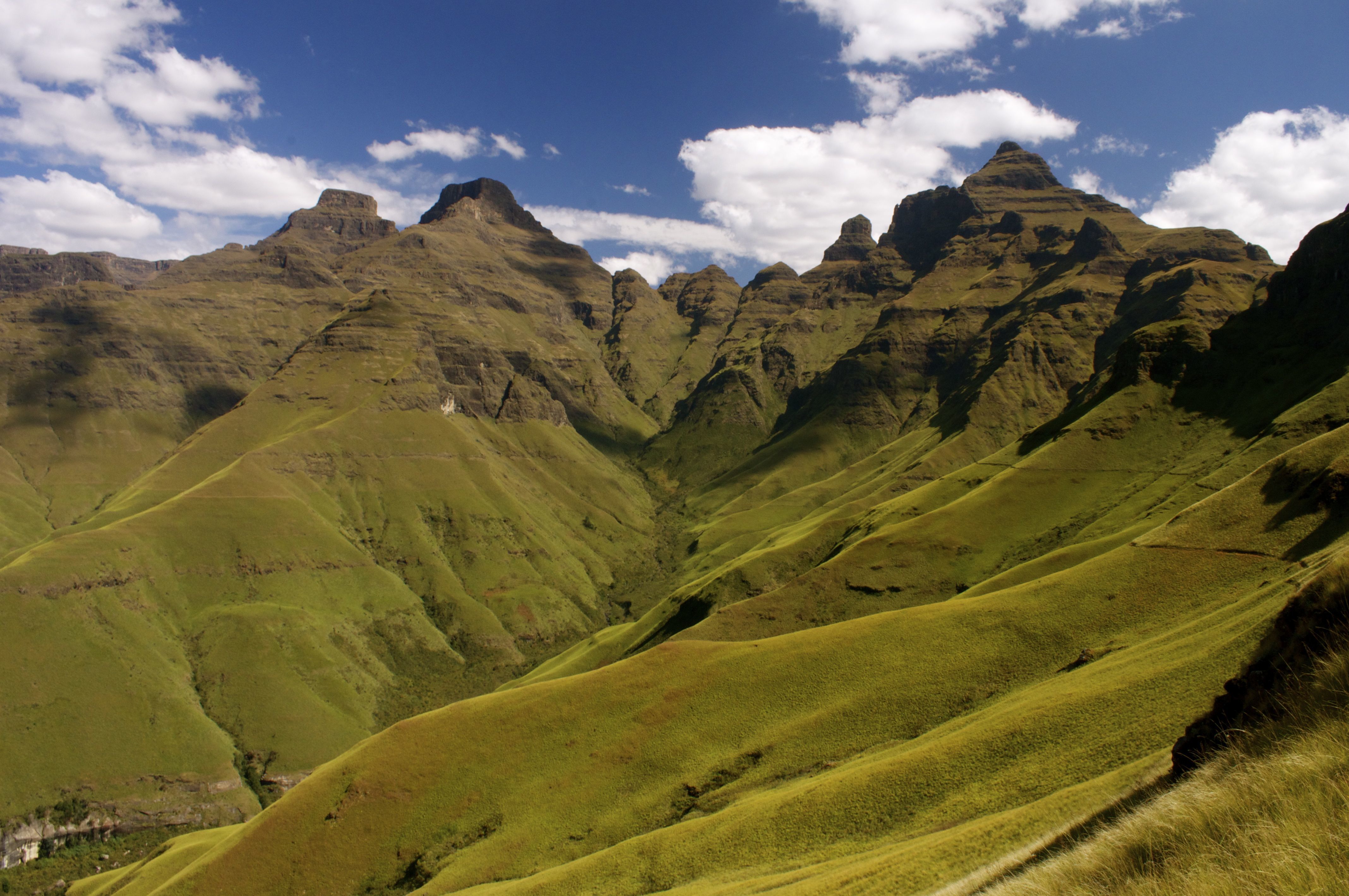

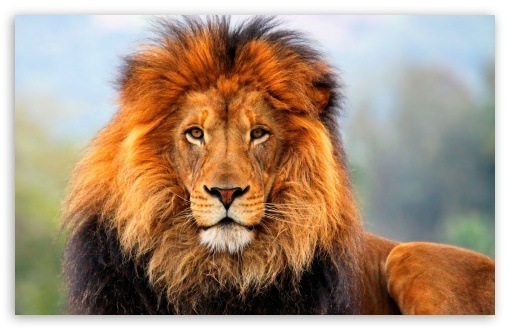


This is part of the....
Geosphere
Atmosphere
Hydrosphere
Biosphere

This is part of the....
Geosphere
Atmosphere
Biosphere
Hydrosphere

This is part of the....
Hydrosphere and Atmosphere
Biosphere
Biosphere and Geosphere
Geosphere & Atmosphere

What percent of Earth's freshwater is available for humans to use?
less than 1
97
3
79
Approximately what percent of earth water is salt water?
87
79
97
9
Most of Earth's surface is covered with water. Only 2.5% of Earth's global water is freshwater. Of all the freshwater on Earth, 78% is frozen. Where is most of Earth's non-freshwater found?
glaciers
lakes
oceans
rivers

This table shows sizes of Earth's oceans. Based on this table and the makeup of Earth's total water, which reasonable conclusion can be made?
Earth's seas contain more salt water than the oceans
Earth's land has more surface area than Earth's oceans
Earth's largest source of salt water is the Pacific Ocean
The Pacific Ocean is larger than all other oceans combined

