wayground logo

Free Printable Worksheets

Font size

S
M
L
XL
Worksheets

TCAP REVIEW #1 Modules 1 and 2 Chemistry

Total questions: 60

Worksheet time: 3615secs

Name
Class
Date
1.
This picture represents which of the following?
a)
element
b)
compound
c)
mixture
2.
This picture represents which of the following?
a)
element
b)
compound
c)
mixture
3.

The image above shows a...

a)

molecules

b)

compounds

c)

pure substance

d)

mixture of atoms

4.

In this diagram, X represents...

a)

A compound

b)

A mixture

c)

An atom

d)

An element

5.

In this diagram, Y represents...

a)

An element

b)

A molecule

c)

A compound

d)

A mixture

6.
An element is made up of only one kind of _____.
a)
isotope
b)
plastic
c)
atom
d)
metal
7.
Classify the picture with the correct label.
a)
Element
b)
Compound
c)
Mixture of Elements and Compounds
d)
Mixture of Elements
8.
Classify the picture with the correct label.
a)
Element
b)
Compound
c)
Mixture of Compounds
d)
Mixture of Elements
9.
Atoms combine to form _______. 
a)
electrons
b)
molecules
c)
nuclei
d)
neutrons
10.
Are these molecules also compounds?
a)
YES
b)
NO
11.
The element oxygen, represented by the symbol O, is classified as
a)
a pure substance
b)
a compound
c)
a mixture
d)
a solution
12.
What charge does a proton have?
a)
negative
b)
neutral
c)
no charge
d)
positive
13.
What is a valence electron?
a)
The sum of neutrons and protons.
b)
The # of electrons in the last shell.
c)
A type of bond.
d)
A popular compound.
14.

How many valence electrons does oxygen have?

a)

2

b)

3

c)

6

d)

4

15.
a)
2
b)
3
c)
5
16.

What is the difference between an elemental molecule and a compound molecule?

a)

Elemental have different types of atoms bonded together, compound have the same type of atoms bonded together.

b)

Elemental have the same type of atoms bonded together, compound have different types of atoms bonded together.

c)

No difference

17.
What does it mean if a mixture is heterogeneous?
a)
you can see the different parts
b)
cannot tell one part from another
c)
very well blended
d)
made of elements
18.
What does it mean if a mixture is homogeneous?
a)
you can see the different parts
b)
cannot tell one part from another
c)
chunks of particles
d)
made of elements
19.
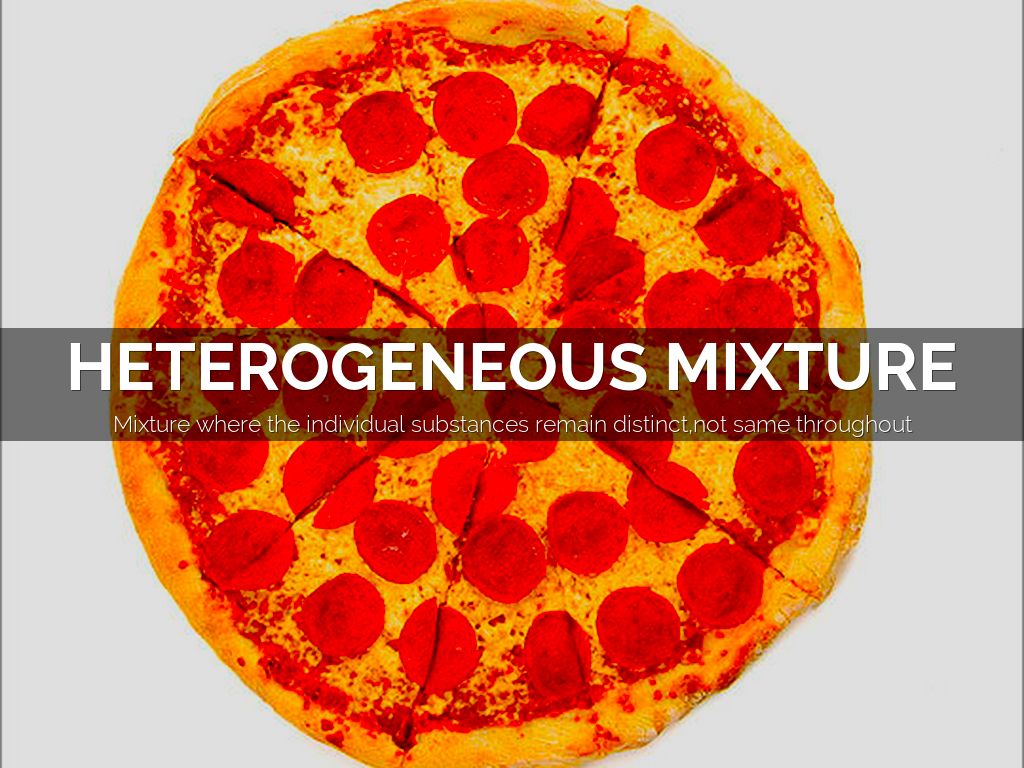
What type of mixture is this?
a)
heterogeneous 
b)
homogeneous
20.
What type of mixture is this?
a)
heterogeneous 
b)
homogeneous
21.
Elements and compounds are always ___.
a)
pure
b)
mixed
22.
Mixtures are always ___.
a)
pure
b)
mixed
23.
Salt water
a)
A. HOMOGENEOUS
b)
B. HETEROGENOUS
24.
Choose the particle that has no charge.
a)
nucleus
b)
neutron
c)
proton
d)
electron
25.
The particles of the atom you can find by knowing the atomic number.
a)
neutrons
b)
protons and electrons
c)
protons and neutrons
d)
atomic mass
26.
The subatomic particle that determines the identity of an element.
a)
neutron
b)
proton
c)
electron
d)
outer shell
27.
What is the number of protons that the element in this image contain?
a)
14
b)
7
c)
15
d)
18
28.
What two particles make up the ATOMIC MASS of an element? 
a)
Protons and Neutrons
b)
Protons and Electrons
c)
Electrons and Nucleus
d)
Electrons and Neutrons
29.
An element with a mass number of 11 and an atomic number of 5 has how many neutrons?
a)
11
b)
5
c)
6
d)
16
30.
An atom has 10 protons, 15 neutrons and 10 electrons what is its mass number.
a)
20
b)
10
c)
5
d)
25
31.

The Law of Conservation of Mass says that matter can neither be __________ or __________.

a)

created; destroyed

b)

recycled; renewed

c)

subtracted; added

d)

joined; separated

32.
Is this equation balanced or unbalanced? 
H2 + O2 --> H2O
a)
balanced
b)
unbalanced
33.

How many Hydrogen atoms are in 4H2O?

a)

6

b)

8

c)

2

d)

4

34.

Why does this picture demonstrate the Law of Conservation of Mass?

a)

the number of atoms of each element are the same on both sides

b)

they start out separate and end up combined

c)

the same elements are used

d)

it doesn't demonstrate the Law of Conservation of Mass

35.

An atom has 18 protons and 8 valence electrons. Which statement would best identify this element?

a)

The element is "happy" or stable because its outer energy level is filled.

b)

The element has an atomic mass of 18.

c)

The element is highly reactive with eight electrons in its outer shell.

d)

The element is a metal.

36.

Which pair of elements would most likely have similar properties?

a)

Calcium (Ca) and cobalt (Co)

b)

sodium (Na) and chlorine (Cl)

c)

boron (B) and phosphorus (P)

d)

oxygen (O) and sulfur (S)

37.
Molecules move quickest in which state of matter
a)
solid
b)
liquid
c)
gas
d)
solid, liquid and gas
38.
Which state of matter do the particles in this picture represent?
a)
solid
b)
liquid
c)
gas
d)
plasma
39.
When the temperature of matter decreases the particles ...
a)
speed up and move farther apart
b)
speed up and move closer together
c)
slow down and move farther apart
d)
slow down and move closer together
40.
When the temperature of matter increases the particles...
a)
speed up and move closer
b)
speed up and move farther apart
c)
slow down and move closer together
d)
slow down and move farther apart
41.
Particles slide past each other in this state of matter.  
a)
solid
b)
liquid
c)
gas
d)
solid, liquid and gas
42.
A sample of a gas in a cylinder as shown. If the temperature is kept constant and the piston moves down to decrease volume, the pressure increases because the gas particles...
a)
expand
b)
lose velocity within the container
c)
become smaller
d)
collide more frequently within the container
43.
Balloon B shown in the figure has a(n) --
a)
decrease in temperature
b)
increase in temperature 
c)
increase in pressure
d)
decrease in volume
44.

Records show that the incident of tire explosion is high during summer season. Which of the following gives the best explanation for this observation?

a)

there are more travellers during summer vacation

b)

high temperature during summer season causes the air inside the tire to expand

c)

vehicles' tires are no well maintained

d)

there is too much air inside the tires

45.
What happened to the volume between the two steps?
a)
volume increased
b)
volume decreased
c)
volume stayed the same
46.
In the modern periodic table elements are arranged by:
a)
atomic mass
b)
atomic number
c)
valence electrons
d)
number of isotopes
47.
Each column in the periodic table is called a 
a)
period
b)
group
c)
cluster
d)
unit
48.
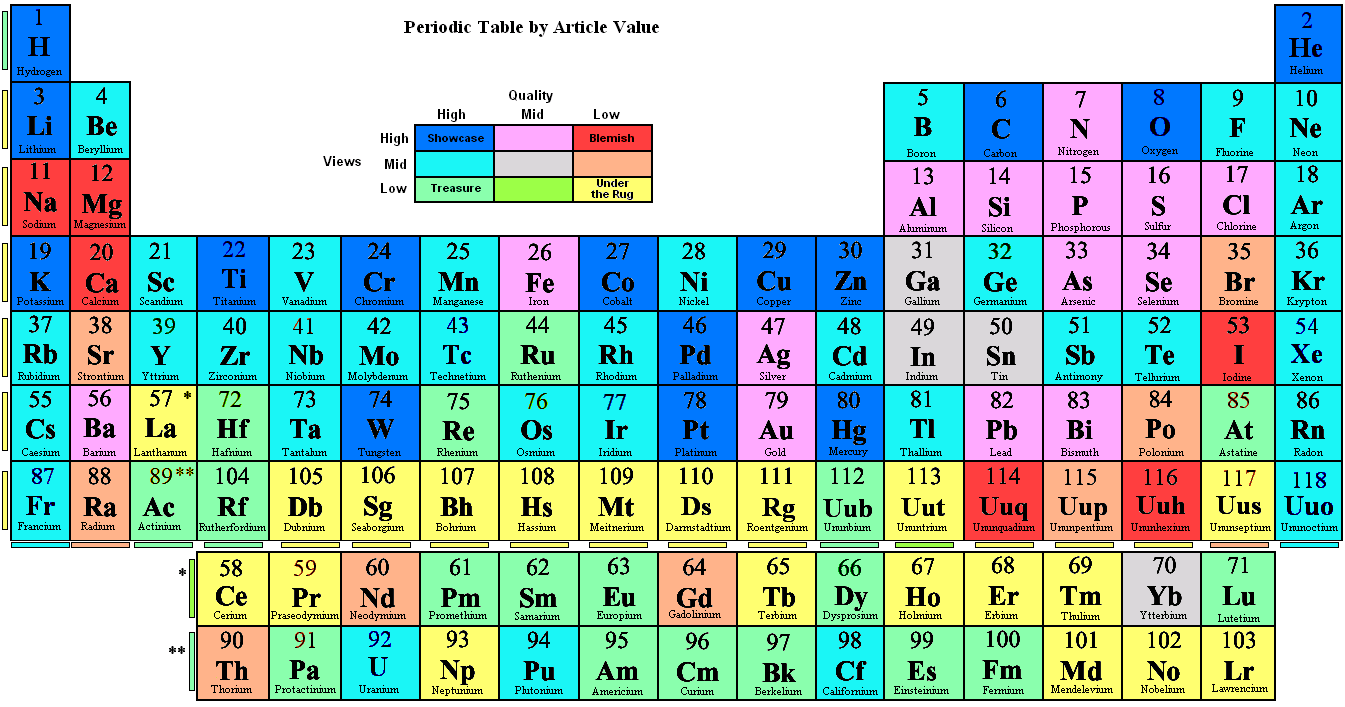
The period for Bromine is ___________.
a)
3
b)
2
c)
4
49.
Beryllium is in group number______.
a)
Group 2
b)
Group 3
c)
Group 4
d)
Group 7
50.
The periodic table has __ periods.
a)
18
b)
8
c)
2
d)
7
51.
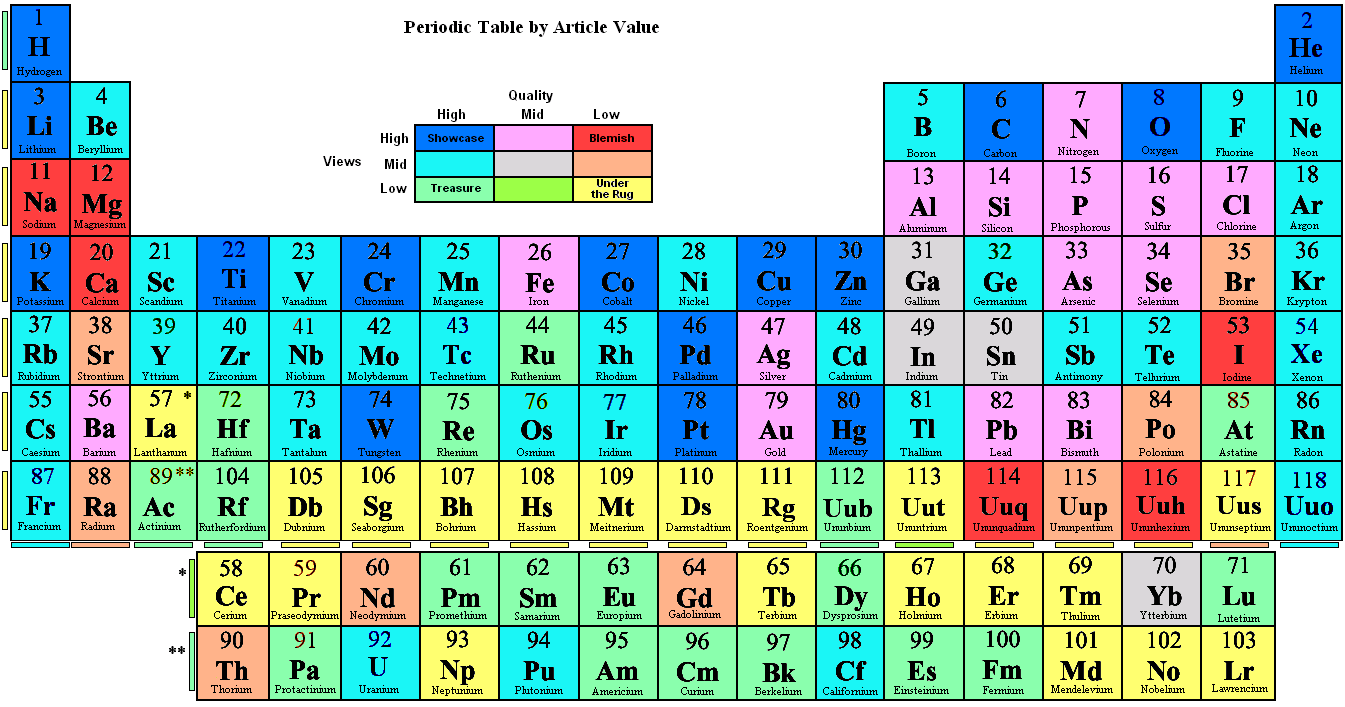
What period and group is Silver (Ag)? 
a)
Period 2, Group 1
b)
Period 3, Group 16
c)
Period 5, Group 11
d)
Period 2, 14
52.
The elements in this group have 5 valence electrons and include elements N, P, and As.
a)
Group 5
b)
Group 1
c)
Group 18
d)
Group 15
53.
The elements in this group only have 1 valence electron and include Li, Na, and K. 
a)
Group 11
b)
Group 1
c)
Group 3
54.
a)
Periods
b)
Groups
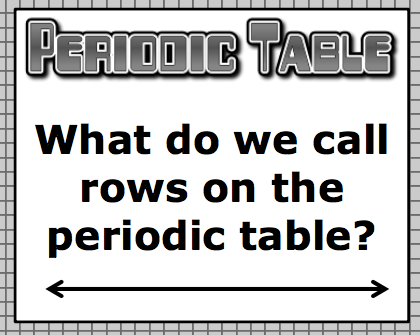
55.
a)
Periods
b)
Groups
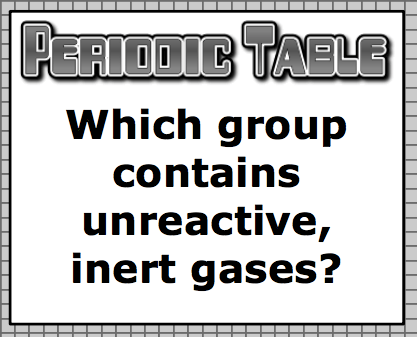
56.
a)
Group 1
b)
Group 17
c)
Group 2
d)
Group 18
57.
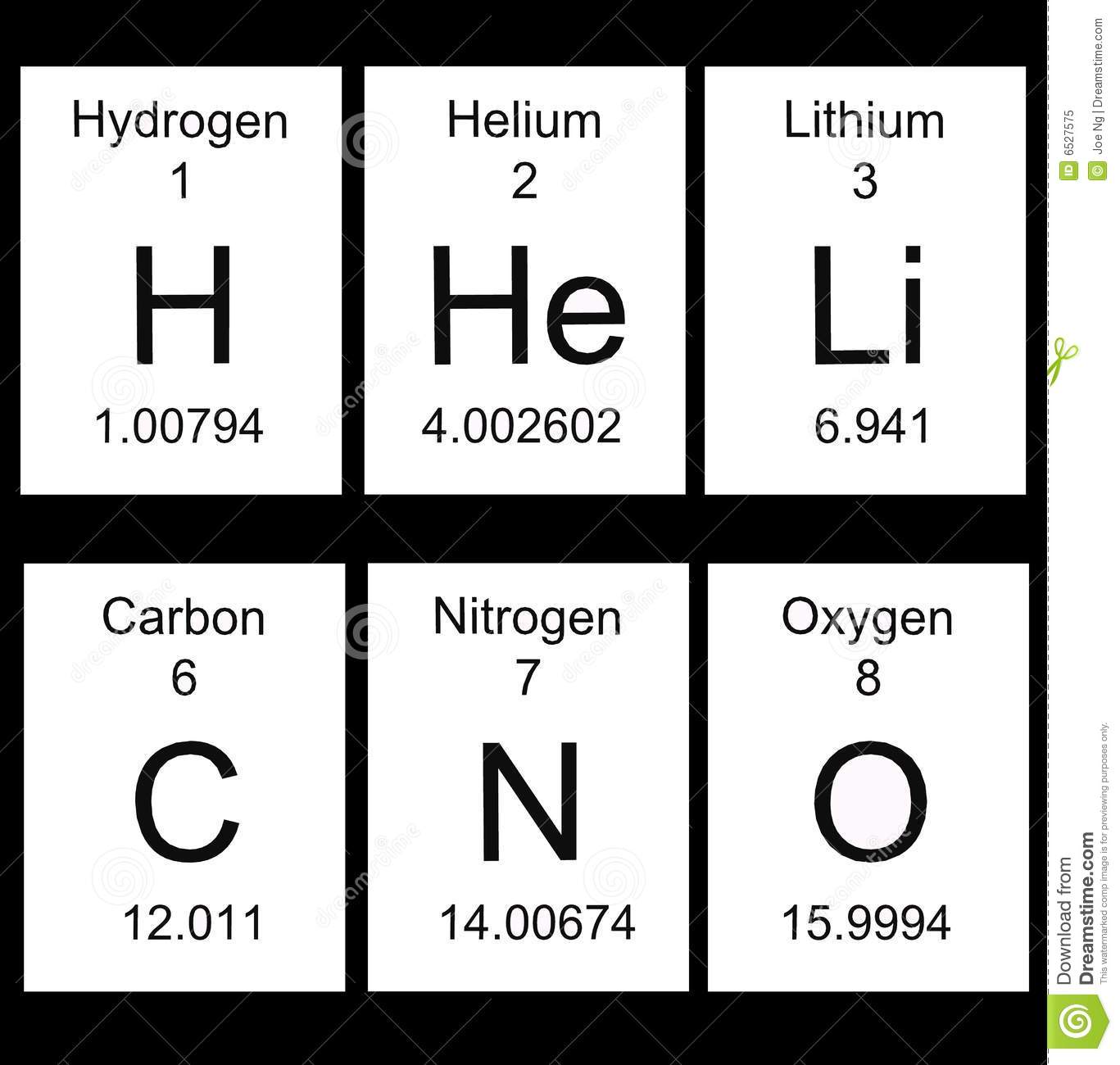
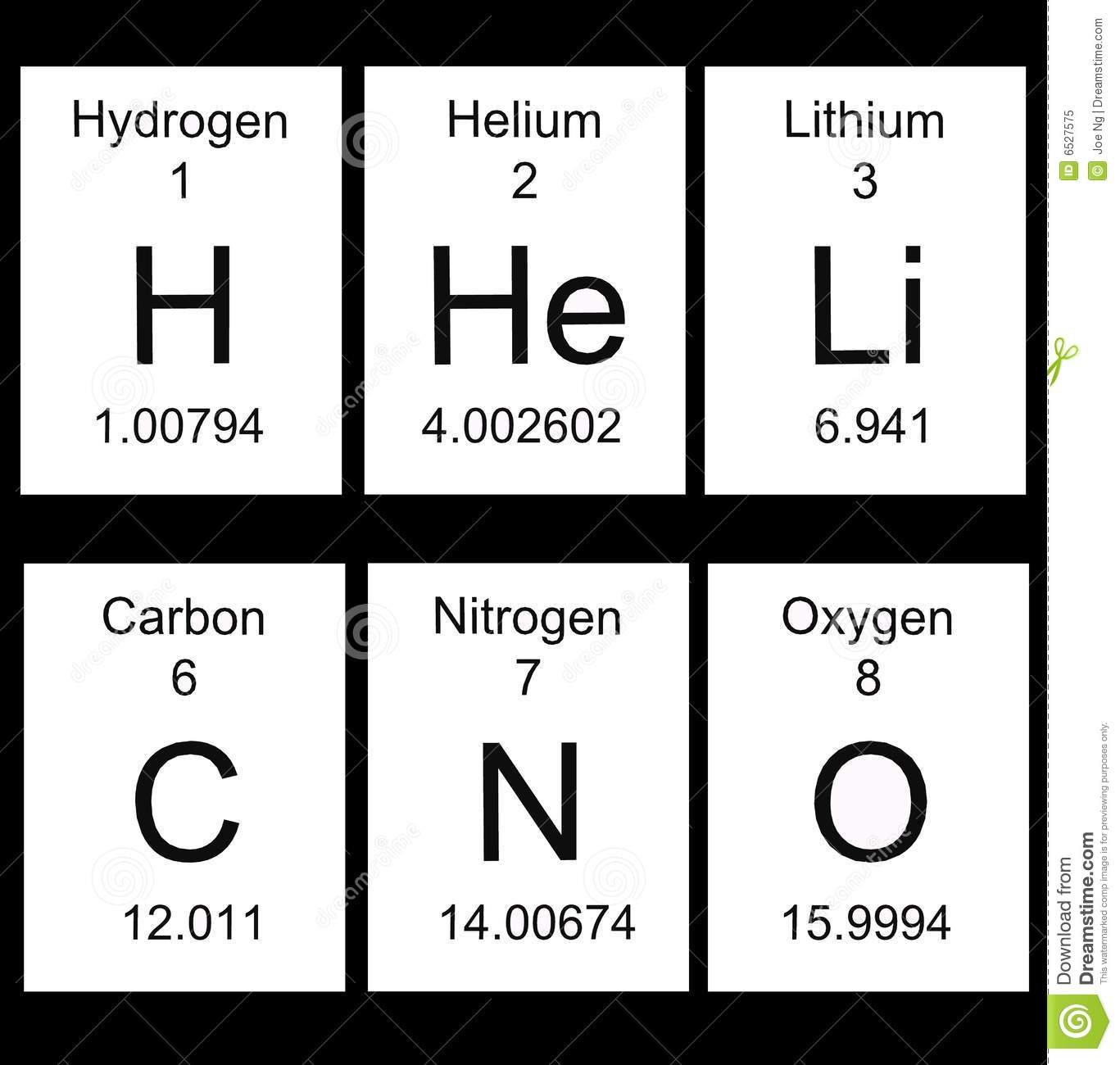
The number at the bottom of each square on the periodic table is the ...
a)
atomic number
b)
atomic mass
c)
chemical symbol
d)
element name
58.
The number at the top of each square on the periodic table is the ...
a)
atomic number
b)
atomic mass
c)
Chemical Symbol
d)
Element Name
59.
The subatomic particles in green are...
a)
Protons
b)
Neutrons
c)
Electrons
60.
How many electron shells/levels does this atom have?
a)
1
b)
2
c)
3
d)
4