
 Worksheets
Unit 8: Solar System
Total questions: 68
Worksheet time: 1hrs 3mins
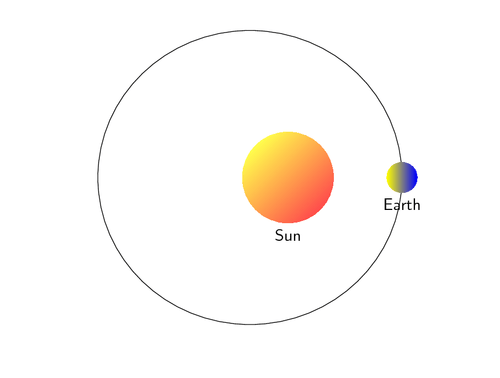
Which list shows the correct order of planets from the sun?
Mercury, Venus, Earth, Mars
Earth, Mars, Venus, Jupiter
Mars, Venus, Earth, Saturn
Uranus, Jupiter, Neptune, Saturn
Which is an object in the solar system that is a frozen mass of ice and dust?
an asteroid
a comet
a moon
a planet
What do Jupiter, Saturn, Uranus, and Neptune have in common?
They all have rocky surfaces.
They all appear to be similar to Earth.
They all are gaseous planets.
They all appear to be made of rock and ice.
The HOTTEST stars are usually what color
yellow
orange
blue
pink
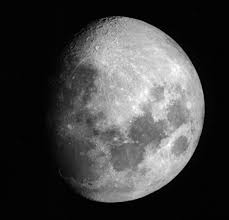
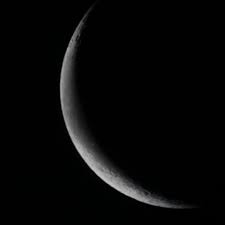


What are planets outside our solar system officially called?
Ecoplanets
Exoplanets
Alien Worlds
Exoworlds
What is the problem with seeing planets orbiting other stars?
They are faint.
They are hidden by the luminosity of their parent star.
They are really far away.
All of these answers are correct
The habitable zone is a specific distance from the sun where the temperature conditions are ideal for life:
True
False


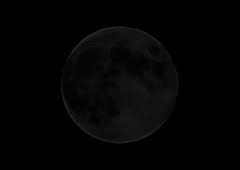
If you look up at the sky and see this, you are witnessing a....
solar eclipse
total eclipse
lunar eclipse
jupiter
Which of the following is not true about a total solar eclipse?
It can be viewed once a year from every spot on earth
It is dangerous to look at without the proper device
When it happens, the moon blocks all of the sun except the corona
You must be within the moon's umbra to see it


Why do shadows made by the Sun move throughout the day?
Because the weather changes
Because someone moves the objects
Because the sun appears to move across the sky
Because it's magic!
Shadows are shortest around______.
morning and evening
noon
night
Why did the lighter elements stay in the Gas Giants?
Just because the solar wind does not affect these planets
Because they less dense
Because the solar wind does not affect these planets AND their own gravity is strong enough
Just because their own gravity is strong enough
The percentage of incoming sunlight that a surface reflects; reflecting power
Mare
Albedo
Perigree
Ray
Heavily cratered regions of the moon that are light in color and mountainous
Highland
Regolith
Rille
Mare
Material that has fallen back to the Moon’s surface after being blasted out during impacts
Rille
Perigee
Regolith
Ejecta
Long trails of ejecta coming from craters
Ray
Regolith
Perigee
Apogee
Stronger high tide, lower low tides; occur when the Earth, moon, and Sun are in a line
Spring Tide
Neap Tide
Perigee
Albedo
Especially weak tides; occur when the Moon and the Sun are perpendicular to one another
Spring Tide
Neap Tide
Perigee
Apogee
Closest point in the Moon’s orbit to Earth
Perigee
Apogee
Regolith
Umbra
Farthest point in the Moon’s orbit to Earth
Perigee
Apogee
Mare
Regolith
The alternating rise and fall in sea level
Tides
Penumbra
Apogee
Umbra


