
NEW
Font size
S
M
L
XL
 Worksheets
Genetics Review
Total questions: 25
Worksheet time: 37mins
Name
Class
Date
1.

What do you call a section of DNA that codes for a specific trait?
a)
nucleus
b)
chromosome
c)
gene
d)
DNA
2.

An organism's phenotype describes its __________.
a)
genetic makeup
b)
physical appearance
3.

__________ worked with pea plants to prove that traits are passed from parent to offspring.
a)
Reginald Punnett
b)
Gregor Mendel
4.

An organism's genotype describes its __________.
a)
genetic makeup
b)
physical appearance
5.

A recessive trait only shows up when __________.
a)
two dominant alleles are present
b)
one dominant allele is present
c)
two recessive alleles are present
d)
at least one dominant allele is present
6.

If you cross two parents, both with genotype Bb, what percentage of children will have brown eyes?
a)
25%
b)
50%
c)
75%
d)
100%
7.

Purebred is another word for __________, while hybrid is another word for __________.
a)
dominant; recessive
b)
recessive; dominant
c)
homozygous; heterozygous
d)
heterozygous; homozygous
8.

The two different forms of a gene are called _________.
a)
zygotes
b)
traits
c)
phenotypes
d)
alleles
9.

What word describes how traits are passed from parent to offspring?
a)
Alleles
b)
Dominance
c)
Probability
d)
Heredity
10.
In a heterozygous genotype, the ___________ allele takes over in the phenotype.
a)
recessive
b)
dominant
c)
lower case letter
d)
both
11.
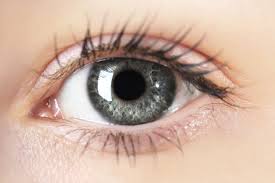
What you see, or the physical appearance.
a)
Genotype
b)
Phenotype
c)
Homozygous
d)
Heterozygous
12.
B = brown eyes
b = blue eyes
One brother has genotype BB and the other brother has genotype Bb.
Which statement is true about these two brothers?
a)
They have same phenotype and genotype
b)
They have different phenotypes and genotypes
c)
They have same phenotype, but different genotypes
d)
They have different phenotypes, but the same genotype
13.
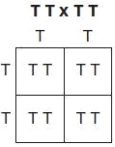
What ratio of the offspring from the cross shown will be homozygous recessive for the trait of tallness?
a)
0 in 4
b)
1 in 4
c)
2 in 4
d)
4 in 4
14.
Which of the following genotypes is heterozygous?
a)
Bb
b)
BB
c)
bb
d)
B
15.
Which of the characteristics is a lion least likely to pass on to its offspring?
a)
fur color
b)
length of tail
c)
scars on leg
d)
body size
16.
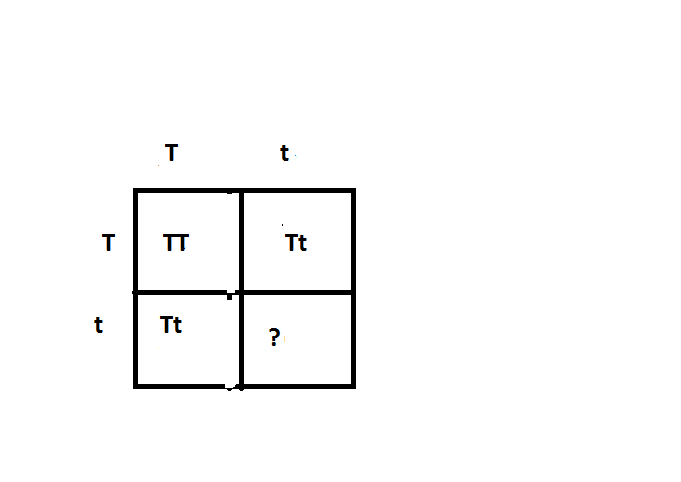
T - tall and t = short
In the punnett square below, what belongs in the missing square
In the punnett square below, what belongs in the missing square
a)
tt
b)
Tt
c)
Bb
d)
TT
17.

B = brown fur b = white fur
In the punnett square, what is the probability for white fur?
In the punnett square, what is the probability for white fur?
a)
0%
b)
25%
c)
50%
d)
75%
18.
In plants, tall (T) is dominant to short (t). Perform the following cross: Tt x Tt. What is the probability of producing a short plant?
a)
0%
b)
25%
c)
50%
d)
75%
19.

What allele combination should go in the missing box?
a)
AA
b)
Aa
c)
aa
d)
none of these
20.
In a flowering plant species, red flower color (R) is dominant over white flower color (r). What is the genotype of any red-flowering plant resulting from this species?
a)
rr
b)
R
c)
RR
d)
RR or Rr
21.
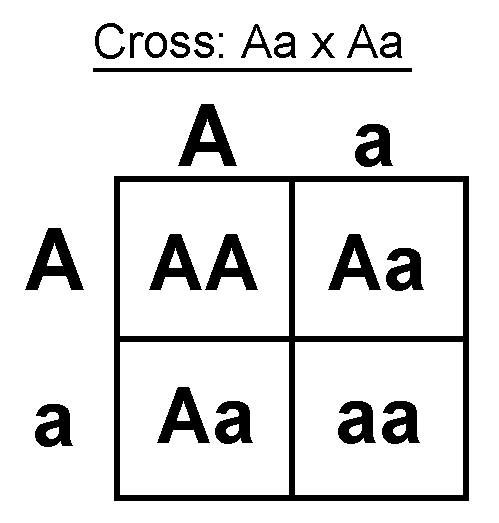
What is the phenotype of the offspring? (A-Brown hair; a-blond hair)
a)
50 % Brown Hair and 50% Blond Hair
b)
25 % Brown Hair and 75% Blond Hair
c)
75 % Brown Hair and 25% Blond Hair
d)
0% Brown Hair and 100% Blond Hair
22.
A homozygous dominant brown mouse is crossed with a heterozygous brown mouse (tan is the recessive color).
a)
100 % tan
b)
100 % brown
c)
50 % brown and 50% tan
d)
75 % brown and 25 % tan
23.
If a heterozygous parent and a homozygous recessive parent mate, what percentage of their offspring will be dominant?
a)
25%
b)
50%
c)
75%
d)
100%
24.
Two brown eyed parents (Bb) have a baby. What is the chance the baby is blue eyed?
a)
0 %
b)
25%
c)
50%
d)
75%
25.

What would the ratio for genotypes be for this Punnett Square?
a)
2Bb:2bb
b)
2BB:2Bb
c)
1BB:2Bb:1bb
d)
4Bb
Reset

