
 Worksheets
Ecology Review
Total questions: 55
Worksheet time: 55mins


Which of the following is abiotic?
A tree in a forest.
Wood from the tree on the forest floor.
A termite on the tree.
The soil the tree is growing in.
If there are not enough predators and too many prey, the prey population may eventually starve.
True
False

Who could be affected if the number of birds decreased?
only the birds
only the grasshoppers and grains
only the foxes
all of the organisms shown

Which of the following organisms compete for the same food source?
grasshoppers and grains
rabbits and mice
mice and grasshoppers
foxes and owls

Who could be affected if the number of leaves decreased?
only the caterpillars
only the grasshoppers and rabbits
only the grass
all of the organisms shown
Snakes eat other animals for food. Snakes are considered __________.
Autotrophs
Prey
Carnivores
Herbivores
Which of the following is an example of deposition?
Water wearing away the edge of a cliff
Sand particles being added to a beach
A boulder splitting in two
Soil sliding down the valley side of a mountain
What is the ultimate source of energy in an ecosystem?
The sun
Producers
Glucose
Decomposers
Which of the following is a heterotroph?
Mushroom
Wheat grass
Phytoplankton
Spider
What belongs at the bottom of an energy pyramid?
Producer
Predator
Consumer
Decomposer
Which of the following is an example of secondary succession?
An island emerging from the sea
A farmland regrowing after a tornado
A volcano spewing lava on land
A glacier retreats to reveal new land
Plants are producers and make their own food by...
eating other organisms
photosynthesis
cellular respiration
breaking down decaying matter
What's the greatest benefit to having strong biodiversity?
Organisms will constantly compete for resources.
The food web is small but strong.
The ecosystem will be strong and resilient.
There is no benefit.
Which shows a correct transfer of energy?
grass - sun - rabbit - snake - soil
water - rabbit - flower - hawk - ants
worm - rabbit - snake - hawk - clouds
sun - grass - rabbit - snake - hawk

What best describes a food web?
A less complex food chain.
A more complex food chain that shows how orgainsms digest food.
A combination of food chains.
A single food chain.
Which includes all biotic factors?
rock, soil, air
plants, animals, fungi
water, air, soil
bacteria, viruses, decaying debris

Daylight hours are decreased in winter. How does this affect the rate of photosynthesis?
The rate of photosynthesis decreases.
The rate of photosynthesis increases.
The rate of photosynthesis stays the same.
The rate of photosynthesis remains the same.

Which BEST explains what would happen if decomposers disappeared in an ecosystem?
everything would stop functioning immediately.
everything would function normally.
the ecosystem would become cleaner
the ecosystem would be overrun with dead matter.
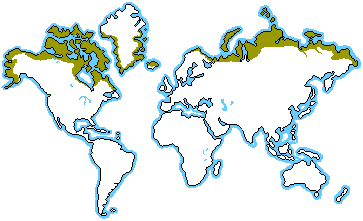
The area of the map shaded in green represents which of the following biomes?
Coniferous Forrest
Deciduous Forrest
Desert
Tundra

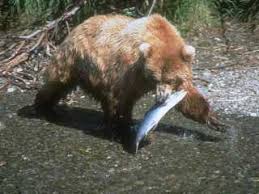
What is this biome?
Coniferous Forest
Desert
Rainforest
Tundra
Plants and animals in the tundra must be able to adapt to the extremely ___________ weather
small
cold
hot
inconsistent

Which biome has many trees that lose all their leaves to save water
coniferous forest
tundra
temperate grassland
temperate deciduous forest
Includes marshes and swamps, high humidity and warm temperatures. waves cause mechanical weathering. sand dunes, sand bars.
Texas Gulf Coast
High Plains
Trans Pecos
Piney Woods
Which ecoregion has limestone hills, many streams and springs, shallow soil. Land forms include Enchanted rock
Edward's Plateau
Trans Pecos
South Texas Plains
Cross Timbers

Why would there be less erosion in this ecoregion of Texas?
Not enough rain
Tree and plant roots holds onto the soil
Water is not common in this ecoregion
There are no rivers in this ecoregion and erosion only happens on rivers

The map shows the various ecoregions of Texas. Which ecoregion is most vulnerable to wind erosion from hurricanes?
Post Oak Savannah
Blackland Prairies
Edwards Plateau
Gulf Prairies and Marshes
_____________ includes rivers, creeks, lakes, and streams.
Surface water
Ground water
Aquifers
Wetlands
What Catastrophic Event in the panhandle plains causes the most wind erosion?
Hurricanes
Tornadoes
Flooding
Humans

This is a picture of the __________ ecoregion
Edwards Plateau
Trans Pecos
High Plains
Piney Woods
Which of these processes best matches this event: rain washing away soil from a hillside?
Weathering
Erosion
Deposition
Flood

What is it called when creeks and smaller rivers join together to make a larger river?
River Systems
Topography
Watershed
Groundwater
What is a watershed?
Land that collects and channels water to a larger body of water
The shape of the land determined by elevation
A natural stream of water of considerable volume
A river and all its tributaries

If a person dumps oil down the drain by their home (even miles away), it can end up in far away places like a bay or ocean.
True
False

Where are you most likely to find a watershed?
In a lake
On a mountain top
At the bottom of a valley
Everywhere
Which statement about water pollution is TRUE?
Pollution only affects surface water.
Pollution can be dissolved in water.
Pollution affects both surface and groundwater.
Pollution cannot travel through soil to groundwater.


Which of these occurs in an area with no soil?
climax community
primary succession
secondary succession
pioneer species

