wayground logo

Free Printable Worksheets

NEW

Font size

S
M
L
XL
Worksheets

Topic 4 Earth Science Test Review

Total questions: 55

Worksheet time: 3hrs 45mins
Name
Class
Date
1.
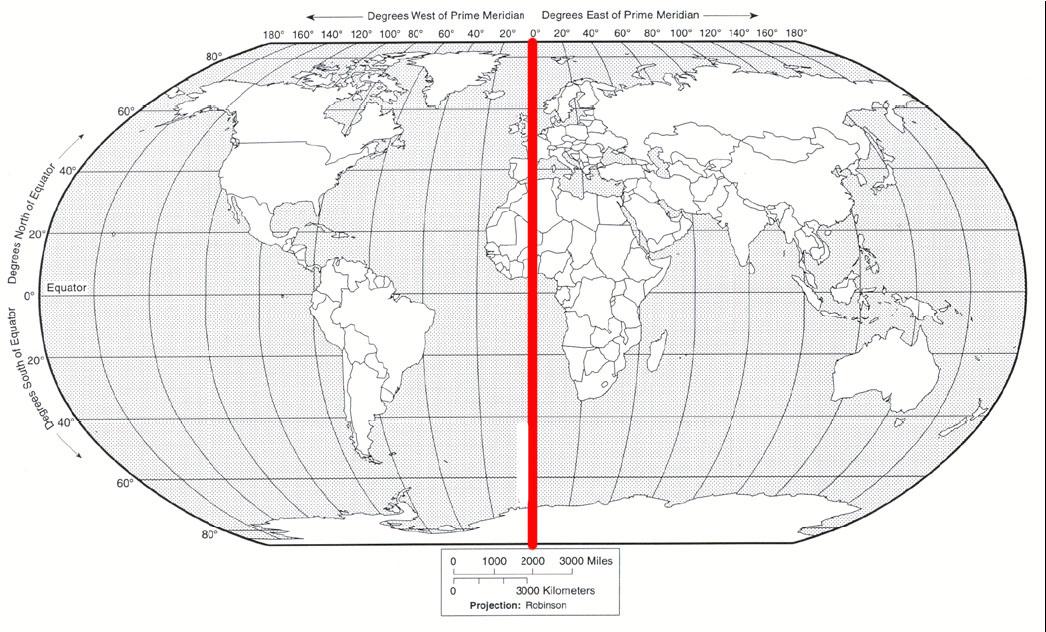
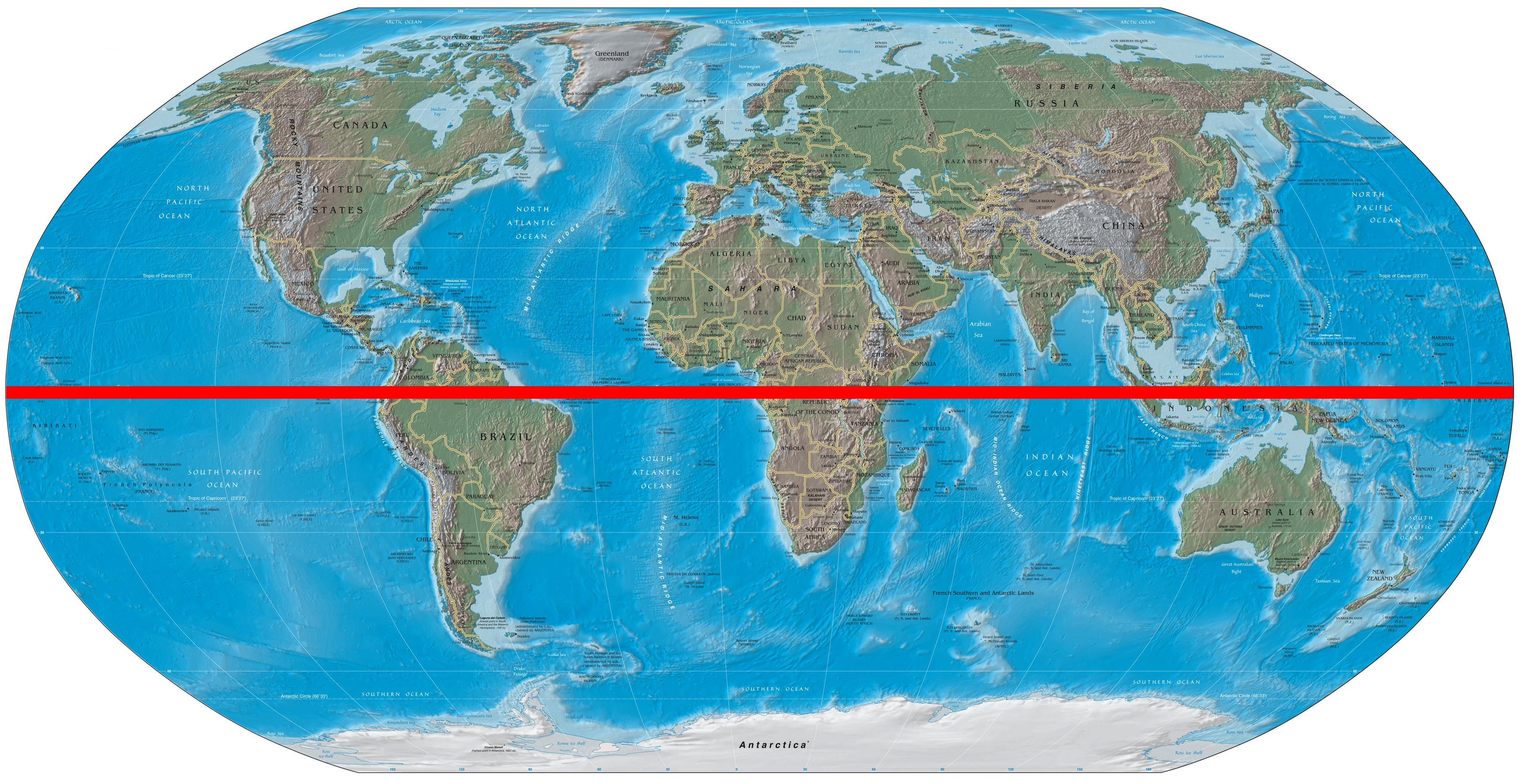
What is the name of this line at 0 degrees latitude?
a)
Prime Meridian
b)
Equator
c)
North Pole
d)
South Pole
2.
What is the name of the line at zero degrees longitude?
a)
Equator
b)
Prime Meridian
c)
North Pole
d)
South Pole
3.
What city is located at 32 degrees south and 150 degrees east?
a)
Shanghai
b)
Sydney
c)
Durban
d)
Calcutta 
4.
Which city is located at 38 degrees north and 120 degrees west?
a)
San Fransisco 
b)
New York
c)
New Orleans
d)
London
5.

What are these maps called?

a)

Line Maps

b)

Topographic Maps

c)

Circle Maps

d)

Mountain Maps

6.

If sea level always equals (0), and the contour interval is 10 feet how tall is this mountain?

a)

30 ft

b)

40 ft

c)

50 ft

d)

60 ft

7.

What is the contour interval?

a)

1 ft

b)

5 ft

c)

10 ft

d)

60 ft

8.

Which side is steeper?

a)

The left side of the hill

b)

The right side of the hill

9.
What is the elevation of Y?
a)
Between 120-140 meters
b)
Between 100-120 meters
c)
Between 140-160 meters
d)
Between 80-100 meters
10.
In which direction is Mill River flowing?
a)
Southeast
b)
Southwest
c)
Northeast
d)
Northwest
11.
What is the highest elevation this hill could possibly have? (might not be labeled)
a)
1040
b)
1060
c)
1079
d)
1009
12.

Which layer of the Earth is the thinnest?

a)

Crust

b)

Mantle

c)

Outer core

d)

Inner core

13.
What is the correct order (starting from the surface) of Earth's layers?
a)
crust, mantle, inner core, outer core
b)
mantle, outer core, inner core, crust
c)
inner core, outer core, mantle, crust
d)
crust, mantle, outer core, inner core
14.
How does temperature change as you move from the crust to the core?
a)
it gets cooler
b)
it gets hotter
c)
it stays the same
d)
the core is frozen
15.

A diagram of Earth's layers is provided. Which letter in the diagram identifies the layer scientists believe to be in a liquid state?

a)

Location A

b)

Location B

c)

Location C

d)

Location D

16.
Which layer of Earth is located above the outer core?
a)
crust
b)
inner core
c)
mantle
d)
lithosphere
17.
Temperature _____________________ as you go deeper into the earth.
a)
increases
b)
decreases
c)
goes up and down depending on the layer
d)
stays the same
18.
Pressure ______________________ as you go deeper into the Earth
a)
increases
b)
decreases 
c)
goes up or down depending on the layer
d)
stays the same
19.

How do scientists know about the layers of the Earth?

a)

by digging down deep into the core and bringing up samples

b)

by studying the seismic waves made by earthquakes

c)

by studying and measuring temperature of lava from volcanoes

d)

by taking a facebook poll

20.
A giant landmass that existed 200 million years ago
a)
Wegener
b)
Pangaea
c)
Archyopteryx
d)
Ammonite
21.
Which piece of evidence did Wegener use to prove continental drift?
a)
The shape of the continents
b)
Similar fossils found on separate continents
c)
Tree fossils found in odd places
d)
All of the above
22.
This boundary is described by two plates moving away from eachother along the edges and separating. The resulting gap allows magma to rise and create new crust, forming new lithosphere. 
a)
Convergent Boundary 
b)
Divergent Boundary  
c)
Transform Boundary
23.
This boundary is described as two plates moving past eachother ALONG THE EDGES horizontally.  These boundaries will get stuck or lock against eachother causing earthquakes when they slip and release. 
a)
Convergent Boundary
b)
Divergent Boundary
c)
Transform Boundary
24.
This boundary is described as moving toward one another  When the plates are both continental plates the will crumple up and form a mountains. When they are continental and oceanic plates, subduction occurs  and earthquakes and volcanoes form. 
a)
Convergent Boundary
b)
Divergent Boundary
c)
Transform Boundary
25.

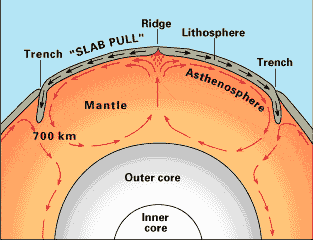
The movement of the tectonic plates is caused by

a)

the rotation of the Earth.

b)

convection currents in the Asthenosphere

c)

the gravity of the iron-nickel core.

d)

the Moho discontinuity.

26.

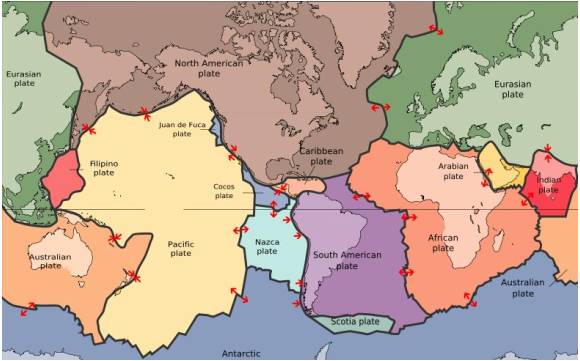
The map in the picture shows tectonic plate boundaries. This map would be useful in predicting the location of future

a)

droughts

b)

hurricanes

c)

earthquakes

d)

tornadoes

27.

Where are earthquakes MOST LIKELY to occur?

a)

close to the equator

b)

close to the center of tectonic plates

c)

at divergent or convergent plate boundaries

d)

at transform plate boundaries

28.

What is the source of energy that drives plate movement?

a)

the subducton of the sea floor

b)

the different densities of the oceanic and crustal plates

c)

convection currents in the asthenosphere

d)

the friction force between the plates that move past each other

29.
The layers of the atmosphere in order from bottom to top are
a)
troposphere, stratosphere, mesosphere, thermosphere, exosphere
b)
troposphere, mesosphere, atmosphere, thermosphere
c)
mesosphere, thermosphere, troposphere, stratosphere, exosphere
d)
thermosphere, stratosphere, mesosphere, troposphere, exosphere
30.
The layer of the atmosphere containing the ozone layer is
a)
troposphere
b)
stratosphere
c)
thermosphere
d)
mesosphere
31.
The layer of the atmosphere containing our weather is
a)
thermosphere
b)
stratosphere
c)
troposphere
d)
mesosphere
32.

What is the term for the day to day conditions of the atmosphere?

a)

weather

b)

climate

c)

hurrican

d)

global wind

33.

Which gas makes up the largest portion of air?

a)

oxygen

b)

nitrogen

c)

carbon dioxide

d)

methane

34.

What is weather?

a)

The amount of moisture in the air

b)

The number of clouds in the sky

c)

The speed of the wind

d)

The state of the atmosphere at any particular time.

35.
a)
Warm Front
b)
High Air Pressure
c)
Cold Front
d)
High Temperatures
36.
a)
Low Clouds
b)
Low Temperatures
c)
Light Wind
d)
Low Air Pressure
37.
a)
High Air Pressure
b)
High Temperatures
c)
Heavy Rain
d)
Hail
38.
a)
High Pressure
b)
Warm Front
c)
Cold Front
d)
Mountains
39.
High Pressure is associated with this type of weather...
a)
Cloudy/Overcast Weather
b)
Cold Weather
c)
Warm Weather
d)
Fair Weather
40.
Low Pressure is associated with this type of weather...
a)
Cloudy/Overcast Weather
b)
Cold Weather
c)
Warm Weather
d)
Fair Weather
41.
What direction is the cold front moving?
a)
Northwest
b)
Southeast
c)
Northeast
d)
Southwest
42.

The cold front is moving

a)

east and southeast

b)

west and northwest

c)

north

d)

south

43.
a)
Warm Front
b)
High Air Pressure
c)
Cold Front
d)
High Temperatures
44.
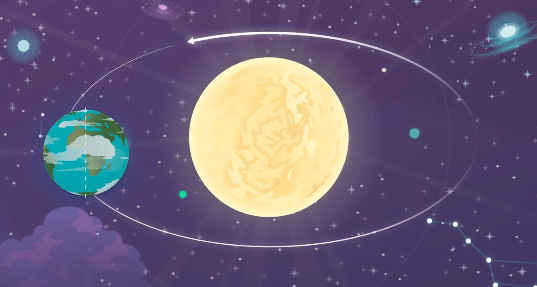
How long does it take for the Earth to make one full orbit around the Sun?
a)
one day
b)
one week
c)
one month
d)
one year
45.
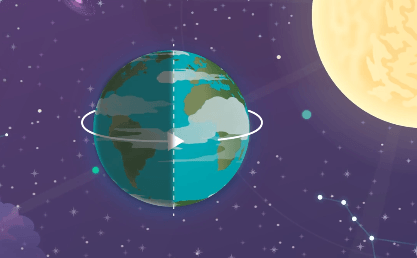
The Earth is rotating on its axis, creating _____
a)
the 12 months
b)
the years
c)
the seasons
d)
day and night
46.
The process of Earth spinning on its axis is referred to as
a)
revolution
b)
ionization
c)
rotation
d)
ellipse
47.

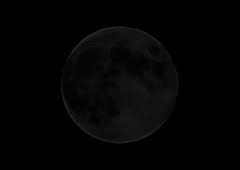
Name the moon phase

a)

First Quarter

b)

Third Quarter

c)

New Moon

d)

Full Moon

48.

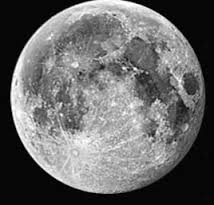
Name the moon phase

a)

First Quarter

b)

Third Quarter

c)

New Moon

d)

Full Moon

49.

Name the phase of the moon for letter a

a)

First Quarter

b)

Third Quarter

c)

Waxing Gibbous

d)

Waning Gibbous

50.

What is the source of the moon's light?

a)

Earth

b)

the sun

c)

the moon

d)

Mars

51.

The moon phase cycle repeats about every

a)

365 days

b)

20 days

c)

29 days

d)

15 days

52.
What part of the moon do we see from Earth?
a)
all of it
b)
the same side
c)
none of it
d)
only one quarter
53.
What season is letter A?
a)
Winter
b)
Summer
c)
Spring
d)
Fall
54.
When the Northern Hemisphere is pointing towards the sun, what season is the Southern Hemisphere?
a)
Winter
b)
Spring
c)
Fall
d)
Summer
55.

At which location is it winter in the northern hemisphere?

a)

Location 1

b)

Location 2

c)

Location 3

d)

Location 4