
 Worksheets
Pollution and Green living
Total questions: 62
Worksheet time: 2hrs 4mins
In what habitat would pollution most affect turtles, fish, and birds?
a desert habitat
a grassland habitat
a pond habitat
a rainforest habitat
How does the recycling of trash help marine animals?
It increases the temperature of the ocean.
It gives more ways for the animals to find shelter.
It reduces water pollution.
It provides more food.
Which of these is NOT a way recycling can protect the natural environment?
It reduces the amount of waste going to the landfill.
It increases the amount of waste being dumped in the ocean.
It requires less energy to recycle most products then find new resources.
It reduces the amount of new natural resources that have to be found.
Which of the following would most likely cause a loss of clean drinking water?
a potato chip bag that is thrown from a car onto the road
a power plant with chemicals that seep into the ground
a plastic soda bottle that is thrown into the ocean
a cloth diaper that is dumped into a pile in a landfill

The picture shows a beach with a lot of trash.
How does the trash affect ocean animals?
Ocean animals can use the trash for food.
Ocean animals can get caught in the trash.
Ocean animals can make tools out of the trash.
Ocean animals can use the trash to build homes.
Which of the following is NOT a natural resource?
fish
cows
plants
computers
Which of the following is NOT an example of a renewable resource?
water
trees
sun
gasoline
This is an example of reusing:
refilling a water bottle instead of taking another one
picking up trash off the ground
riding a bike instead of driving a car
This is an example of reducing:
turning off the water while brushing teeth
using a plastic bag twice
riding with a friend to school instead of taking another car
This is an example of recycling:
using both sides of your paper instead of one
throwing a wrapper on the ground
dumping paint into a storm drain
Which of the following causes pollution?
driving cars and trucks
spilling chemicals in rivers
oil spills in oceans
all of the above
Which of these conserves resources?
Keep radio on low volume all day
Turn off the water when brushing teeth
Which of these does NOT conserve resources?
Throwing out your bike and buy a new one each year.
Taking short showers

What does this symbol mean?
Conservation
Nature
Renew
Recycle
Choose all choices that happen when people dump waste from homes or factories into lakes, oceans, or rivers?
it helps plants to grow
it kills animals and plants living there
it causes water pollution
it causes the water to be toxic
it dries up the water
People cause land pollution by __________.
spilling water into the water
recycling
littering on the ground
conserving energy
It is important to conserve water because ____________.
it makes our yard look nice
it is fun to swim
it is nice to drink on a hot day
we all need it to survive
Choose all of the ways to conserve water.
leaving the shower on when it's not being used
turning off the faucet when it's not being used
fixing leaky sinks and faucets
doing full loads of laundry
Choose all the ways you can reduce pollution.
Carpool
take the bus
leave trash on the ground
recycle
throw trash out of a car window
What are the 3 R's?
rain, reduce, renew
resource, review, recycle
reduce, reuse, recycle
reduce, reward, review
Which of these could cause breathing problems?
acid rain
an oil spill
litter
smoke from a factory
Making a swing out of an old tire is a way to conserve resources.
true
false
Smoke given off by a car is an example of _____________.
recycling
water pollution
fog
air pollution
Throwing trash out of a car window is an example of _______.
reducing pollution
littering
smog
pesticides
Dumping toxic waste in a field is an example of land pollution.
true
false
Throwing glass bottles on the ground at the park is an example of air pollution.
true
false
Which is an example of water pollution?
smog
an oil spill in the ocean
littering
car exhaust
Planting new trees where old ones were cut down is a way of protecting natural resources.
true
false
How can we save electricity?
Walking
Riding a bike
Using public transport
Riding a motorbike

Are fossil fuels Renewable or Nonrenewable resources
Renewable
Nonrenewable

Which of the following are negative impacts of burning fossil fuels?
They contribute to environmental degradation and pollution
They harm local communities
They contribute to human health problems
All of the above
Solar energy is energy from __________
Moon
Wind
Stars
Sun

Q. __________ is an energy resource that WILL NOT run out in the next several hundred years.
Renewable Energy Resources
Nonrenewable Energy Resource

Wind is a __________ energy resource.
Renewable
Nonrenewable

Which is NOT one of the 3 R's?


What ecological problem is it?
littering
destruction of natural resaurses
air pollution
water pollution
What does decompose mean?
to rot away
to make something new
to build up
to use again

______________ is fog that has mixed with smoke and chemical fumes.
Smog
Frog
Wind
Air
Which of the following is a potential effect of air pollution?
Heart Disease
Water Treatment
Hearing Loss
Easier Breathing

True or false. High noise levels can lead to stress and problems sleeping.
True
False
what is environment?
A place for enjoyment.
Everything that is in our surounding
Our neighbors.
A place that we visit every nonth.
What is a healthy environment?
Eating healthy food.
Living in a desert away from pollution.
A place where water, air and soil are free from pollution.
A green clean area close to the factories.
What pictures describe pollution.


The Earth can be protected by increasing more factories.
False
True

What does it mean to "reduce"?
Limit the amount something is being used
maximize the amount something is being used
to use again
use the same amount something is already being used

What does it mean to "reuse"?
to use again
to use
to stop using
none of the above

What does it mean to "recycle"?
convert waste into useful materials
move in circles
throw trash away
keep waste as trash/ not useful materials

Is it recyclable?
Yes
No

Is it recyclable?
Yes
No

Is it recyclable?
Yes
No
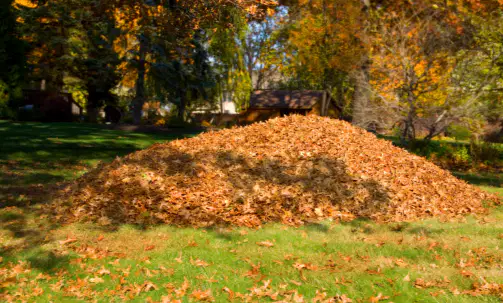
Is it recyclable?
Yes
No

