wayground logo

Free Printable Worksheets

NEW

Font size

S
M
L
XL
Worksheets

Matter HW Quiz

Total questions: 45

Worksheet time: 2hrs 15mins
Name
Class
Date
1.
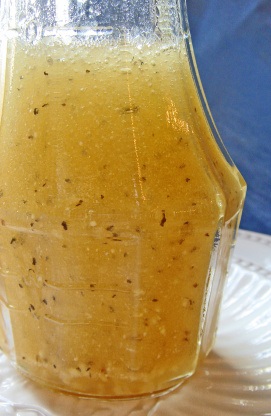
Italian Salad Dressing is a . . .
a)
heterogeneous mixture
b)
homogeneous mixture
c)
Pure Substance
d)
Compound
2.
A combination that can be separated by physical processes is a .....
a)
Pure Substance
b)
Glucose
c)
Element
d)
Mixture
3.
Substance with atoms that are all alike.
a)
element
b)
compound
c)
homogeneous mixture
d)
heterogeneous mixture
4.
This picture represents: 
a)
Element
b)
Compound
c)
Mixture of Elements
d)
Mixture of Compounds
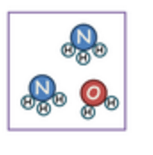
5.
This picture represents: 
a)
Element
b)
Compound
c)
Mixture of Elements
d)
Mixture of Compounds
6.
All matter is made up of .....
a)
Compounds
b)
Atoms
c)
Molecules
d)
Sunshine
7.
Which of the following is an element?
a)
Sugar
b)
Salt
c)
Water
d)
Oxygen
8.
A mixture that is so evenly mixed you can't see the parts.  Such as Kool-Aid
a)
Homogeneous Mixture
b)
Heterogeneous Mixture
c)
Pure Substance
9.
A gold coin is an example of a.....
a)
pure element
b)
pure compound
c)
heterogeneous mixture
d)
homogeneous mixture
10.
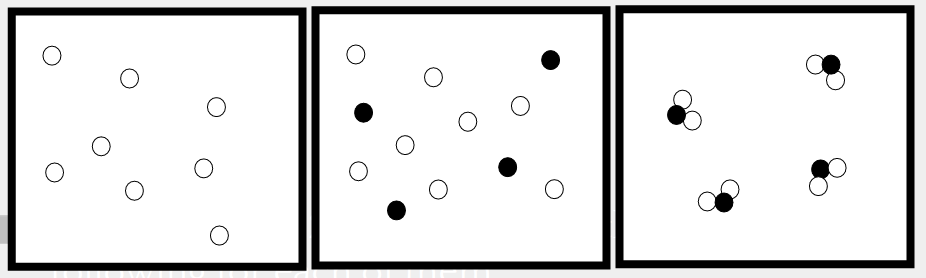
Which one of these pictures represents a pure substance? 
a)
1 and 2
b)
1 and 3
c)
2 and 3
d)
1, 2 and 3
11.
Which one of these pictures represents a mixture? 
a)
1
b)
2
c)
3
d)
1, 2 and 3
12.
Are made from a combination of 2 or more elements in a constant ratio...
a)
Atome
b)
Mixture
c)
Compounds
d)
Elements
13.
What is a homogeneous mixture?
a)
a mixture that is the same throughout.
b)
a mixture that is made up of one type of atom.
c)
a mixture that is made up of one type of compound
d)
a mixture that cannot be separated through physical changes
14.
Chicken soup is an example of what kind of substance?
a)
homogenous mixture
b)
solution
c)
heterogeneous mixture
d)
compound
15.
Carbon
a)
Element
b)
Compound
c)
Homogeneous Mixture
d)
Heterogeneous Mixture
16.
Lucky Charms
a)
Element
b)
Compound
c)
Homogeneous Mixture
d)
Heterogeneous Mixture
17.
O2
a)
Element
b)
Compound
c)
Homogeneous Mixture
d)
Heterogeneous Mixture
18.

What is a pure substance that cannot be broken down into any other substances by chemical or physical means (Ex. Oxygen)?

a)

Element

b)

Compound

c)

Colloid

d)

Suspension

19.

What is a mixture in which particles can be seen seen and settle out over time (Ex. Muddy water)?

a)

Solution

b)

Suspension

c)

Colloid

d)

Element

20.

A ____________ substance has a definite volume and shape.

a)

gas

b)

liquid

c)

solid

21.

A ___________ substance has a definite volume but not a definite shape.

a)

gas

b)

liquid

c)

solid

22.

A _______________ does not have a definite volume or shape.

a)

gas

b)

liquid

c)

solid

23.

The particles in a ______________ can move easily in any direction.

a)

gas

b)

solid

c)

liquid

24.

What happens to a substance with an increase in temperature?

a)

it gains energy

b)

it loses energy

c)

its energy stays the same

25.
Liquids....
a)
have a definite shape
b)
are always clear
c)
take the shape of their container
d)
are not matter
26.
Evaporation is
a)
Gas changing to a liquid
b)
Solid changing to a liquid
c)
Liquid changing to a solid
d)
Liquid changing to a gas
27.
A solid changing to a liquid is...
a)
melting
b)
freezing
c)
condensing
d)
evaporating
28.
Water vapor cooling and turning into water droplets/steam is an example of......
a)
Condensation
b)
Melting
c)
Freezing
d)
Evaporation
29.
When boiling water creates steam.
a)
condensation
b)
melting 
c)
freezing
d)
vaporization
30.
A change in which the form or shape of a substance changes but the chemical makeup of the substance remains the same.
a)
chemical change
b)
reaction
c)
physical change
d)
solution
31.
A change in one or more substances, caused by a reaction, that forms new and different substances.
a)
mixture
b)
physical change
c)
element
d)
chemical change
32.

Which is a chemical property of matter?

a)

Reactivity

b)

Color

c)

Density

d)

Solubility

33.

Which is NOT an example of a chemical property?

a)

Water is a liquid at room temperature.

b)

Vinegar bubbles when baking soda is added.

c)

Wood burns when exposed to fire.

d)

Apple slices turn brown.

34.

A student pours one liquid into another. The mixture changes color to a bright red and then becomes cold. In this process, what is the FIRST evidence that a new substance has formed?

a)

The liquids were mixed.

b)

The mixture turns a bright red.

c)

The temperature decreases.

d)

There is more liquid now.

35.

Which of the following is NOT an example of a physical change?

a)

dissolving sugar in water

b)

bending a metal rod

c)

melting an ice cube

d)

burning paper

36.

flammability of a substance

a)

physical change

b)

physical property

c)

chemical change

d)

chemical property

37.

sharpening a pencil

a)

physical change

b)

physical property

c)

chemical change

d)

chemical property

38.

inflating a tire

a)

physical change

b)

physical property

c)

chemical change

d)

chemical property

39.

freezing point

a)

physical change

b)

physical property

c)

chemical change

d)

chemical property

40.

formation of water when hydrogen burns

a)

physical change

b)

physical property

c)

chemical change

d)

chemical property

41.

boiling water

a)

physical change

b)

physical property

c)

chemical change

d)

chemical property

42.

fragrance of a flower

a)

physical change

b)

physical property

c)

chemical change

d)

chemical property

43.

a change in size, shape, or state of matter

a)

physical change

b)

physical property

c)

chemical change

d)

chemical property

44.

a characteristic that can be observed without changing the substance

a)

physical change

b)

physical property

c)

chemical change

d)

chemical property

45.

boiling an egg

a)

physical change

b)

physical property

c)

chemical change

d)

chemical property