
 Worksheets
Cold War to present day - US History
Total questions: 100
Worksheet time: 1hrs 10mins
Dramatic increase in birth rate, especially in the years following WWII. This was due to so many people working and making a better living.
Baby Boom
Baby Gap
GI Bill
Transistor
The Supreme Court recognized as a Constitutional
right in its 1966 decision that requires suspects be informed of their Fifth & Sixth Amendment rights "prior to interrogation" if their statements are to be used against
them in court.
Roe Decision
Wade's Rule
Miranda Rule
Equal Rights
Commission made by LBJ after the assassination of John F. Kennedy.The point was to investigate if someone paid for the assassination of Kennedy. This concluded that Oswald killed Kennedy on his own.
Black Commission
Warren Commission
Justice Commission
Johnson Commission
Brown V. Board of Education
Court ruled that segregation was unconstitutional
Supreme Court decision which legalized state ordered segregation so long as the facilities for blacks and whites were equal.
All state laws prohibiting abortions were made unconstitutional based on a woman's right to privacy
Ruled that a defendant in a felony trial must be provided a lawyer free of charge if the defendant cannot afford one.
_____________ rode in interstate buses into the segregated southern United States to test the ruling of unsegregated public places.
Freedom Rides
National Organization for Women
United Farm Workers
Counterculture
What president assured the nation that "we shall overcome" when he signed the Voting Rights Act of 1965. He also took steps to end discrimination earlier when he signed the Civil Rights Act of 1964.
Abraham Lincoln
Lyndon B. Johnson
John F. Kennedy
Harry Truman
When soldiers returned home from World War II, what helped them get lower mortgage rates and paid for their continued education?
The Consitution
Veteran's Fund
G.I. Bill of Rights
Military Service Reimbursement Bill
Click on all the consumer products of the 1950s that Americans bought after WWII (3 answers)


This planned communities sprang up after WWII. They were usually located outside major market cities; families would commute to work with their new luxury cars and homes were "cookie cutter" and affordable
Suburbs
Inner City
Ultraburbs
Shopping Malls


What body was created for the nations near the end of World War II to try to prevent future global wars?
League of Nations
Allied Powers
Axis Powers
United Nations

Extended educational, housing, and employment benefits to veterans; Which of the following is being described?
Civil Rights legislation
19th Amendment
G.I. Bill
Prohibition

Wartime or Peacetime: Ration Books/Coupons
Wartime
Peacetime
What is a sit in?
Sitting on a bus
Sitting in an area where you are not allowed as a form of protest
Sitting on the floor rather than a chair
Sitting rather than standing at a lunch counter

On February 1, 1960, four African-American students of North Carolina Agricultural and Technical State University asked to be served at a lunch counter inside the Greensboro, North Carolina Woolworth’s store. This protest in Greensboro began a wave of nonviolent protest against segregation in the United States. Was is the name for this important event?
Greensboro Sit Ins
March on Greensboro and Beyond
March to Selma
Greensboro Protests for better service at Woolworths
The Marches against the Civil Rights Act of 1960

The Space Race was considered important because...
it showed the world which country had the best science, technology, and economic system.
the Soviet Union was much more advanced in science and technology.
the United States is the largest country in the world.
we had an opportunity to win many medals.
Which country placed the first man in space and orbited the Earth?
The United States
The Soviet Union
England
France
Did the United States launch their first satellite into space before or after the Soviet Union?
Before
After

Which communist country did Richard Nixon open relations with in the early 70s?
Cuba
China
Soviet Union
North Korea

What was the outcome of the SALT I talks?
It created a ceasefire between the U.S. and North Vietnam
The US and USSR reduced how many ballistic missiles they had
The U.S. and China opened a trading treaty
Communist China was admitted as a full member of the U.N.

Nixon's efforts to ease tensions with the Soviet Union was called-
Cooling the Cold War
Detente
Strategic Negotiation
Ceasefire

Which describes the Watergate scandal (1972)?
The President was having an affair with a White House intern
The U.S. sold weapons to Iran and gave money to the Contras
Nixon ordered a break-in at the Democratic HQ and a cover up
The President secretly ordered Cambodia bombed

What was the Supreme Court's ruling in U.S. v Nixon about Executive Privilege?
Nixon could not use it to hide the Watergate Tapes
Nixon was able to keep the Watergate tapes classified
Nixon, as President, was above the law while in office
Nixon could use it to classify the Pentagon Papers

What did Nixon do after his cover up of Watergate was discovered after U.S. v Nixon?
Nixon was impeached by Congress on August 8, 1974
Nixon was removed from office by the Supreme Court
Nixon pardoned himself from crimes he did during Watergate
Nixon resigned on August 8, 1974 to avoid being impeached

Why was the nation of Israel founded in 1948?
It was created for the Jews after the Holocaust
It was open land that no one else lived in
It was created a refugee sanctuary nation
It was the capital headquarters for the United Nations

This international organization took control of oil prices and oil supply in the 1970s
International Monetary Fund (IMF)
World Trade Organization (WTO)
OPEC (Organization of Petroleum Exporting Countries)
International Petroleum Confederation

How did the oil embargo effect the U.S. during the 1970s?
The U.S. used its own energy reserves to fight the embargo
Prices of everything increased and gas shortages happened
The U.S. was forced to abandon Israel as prices went down
It caused the stagflation outbreak in the U.S.

What was the impact of Jimmy Carter's work at the Camp David Accords?
It established Israel as the leader of Middle East Nations
It ended of OPEC oil embargo and stopped stagflation
It established the U.S. as a leader of the free world
Egypt recognized Israel and Israel made peace with Egypt

What is the purpose of the Environmental Protection Agency (EPA)
It creates and enforces regulations for pollution in the US
It researches diseases and health in the US
It manages an emergency oil supply in the United States
It oversees the National Parks Service

What did the Community Reinvestment Act do?
It made banks give credit to low income communities
It created low income housing for needy families
It expanded Medicare and Medicaid
It provided job training for at-risk teenagers

What happened to the 52 captives of the Iran Hostage Crisis?
They were given to the Soviet Union and returned in 1987
They disappeared and were never seen from again
They were publicly executed in 1981 in Tehran
They were returned to the US 444 days

What was the response in Tehran to the US helping the former Shah of Iran in 1979?
The new government of Iran declared war on the U.S.
The embassy was attacked and 52 people were taken hostage
The Shah of Iran was put back in power
Iran invaded Israel and Iraq who were US allies
Broad tax cuts, cuts to the federal budget, and increased military spending, Reagan believed all of these would promote economic expansion, these are examples of what policy:
Reaganomics
Strategic Defense Initiative
Containment
Fiscal Responsibility
What word best describes Ronald Reagan?
Liberal
Conservative
Progressive
Socialist


What company did Bill Gates start?
Apple
Microsoft
Samsung
LG
What does impeachment mean?
removal from office
conviction of a crime
formal accusation of wrongdoing
Who can formally initiate the impeachment process?
the House of Representatives
any citizen of the United States
the President
Where does the impeachment trial take place?
The White House
The Senate
The Supreme Court
The Twin Towers fell on this date:
September 11th
December 9th
November 8th
March 11th
What year did 9/11 happen in?
1947
1999
2001
2020
Two airplanes flew into the Twin Towers in which city?
Delaware
Maine
Florida
New York
Terrorists HIJACKED the planes. What does HIJACK mean?
To forcibly take over
To decorate
To jump up and down
To prop up
Another plane crashed into the:
Statue of Liberty
Eiffel Tower
Pentagon
Empire State Building
A fourth plane crashed into:
The ocean
The Grand Canyon
The Leaning Tower of Pisa
A field in Pennsylvania
The 9/11 attacks were acts of:
Terrorism
Kindness
Drama
Peace

When was 9/11
September 11 2000
September 11 2001
September 11 2018
September 11 2030

Who was the president during 9/11
John F Kennedy
George W. Bush
George W.H. Bush
Donald Trump

What was the name of the Islamic terrorist group who conducted the attacks?
Al Qaeda
Isis
Boko Haram
Daech
This ruling explicitly outlawed racial segregation of public education facilities (legal establishment of separate government-run schools for blacks and whites), ruling so on the grounds that the doctrine of "separate but equal" public education could never truly provide black Americans with facilities of the same standards available to white Americans
Brown vs Board of Ed
Escobedo vs ILL
Dred Scott vs Sanford
Gregg vs Georgia


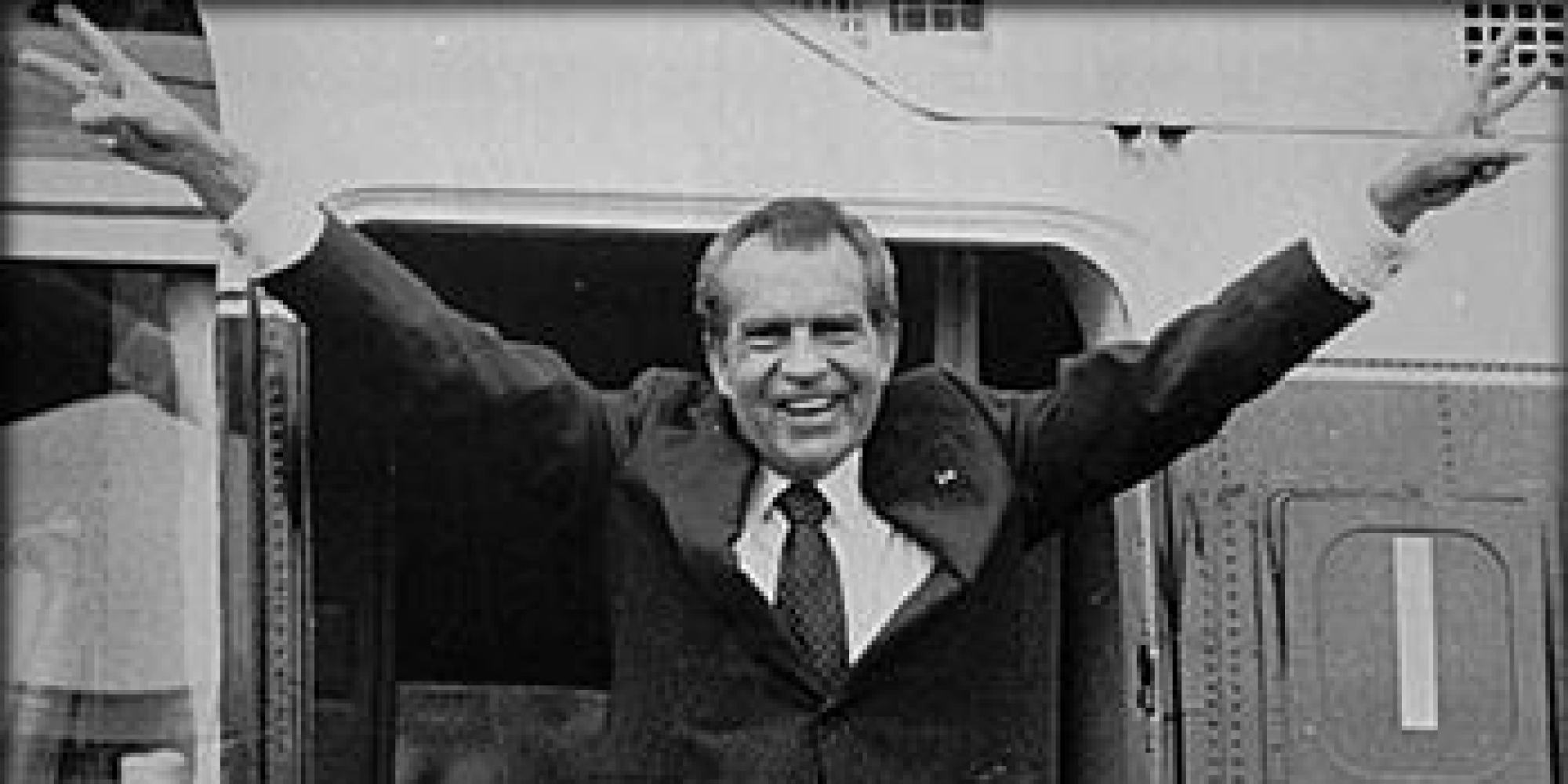
No one is above the law...not even the president.
Bush v. Gore
Marbury v. Madison
Miranda v. Arizona
U.S. v. Nixon
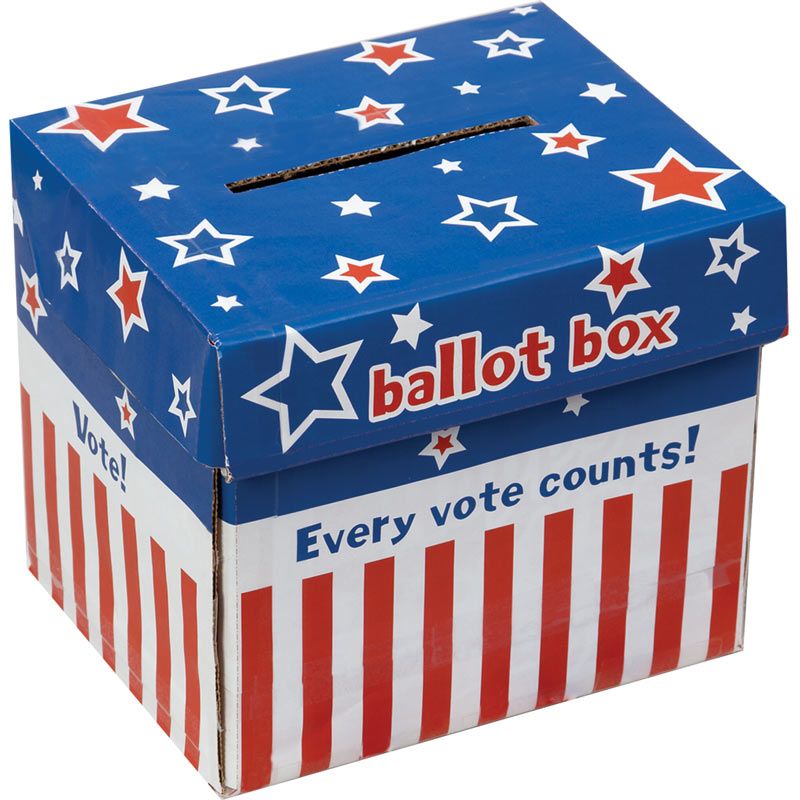
Determined the FL Supreme Court could not order a recount of ballots.
Marbury v. Madison
Bush v. Gore
U.S. v. Nixon
Hazelwood v. Kuhlmeier
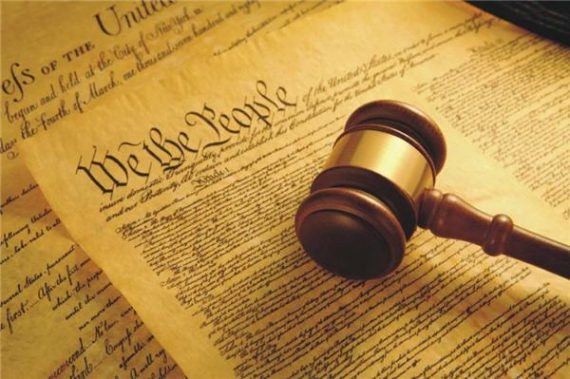
What is it called when the U.S. Supreme Court decides whether something is legal or illegal (unconstitutional)?
supreme court review
due process
segregation
judicial review
Suspects cannot be questioned (interrogated) until they are informed of their rights (right to remain silent, right to an attorney, etc.)
Brown v Board of Education
Miranda v Arizona
Tinker v Des Moines
Bush v Gore
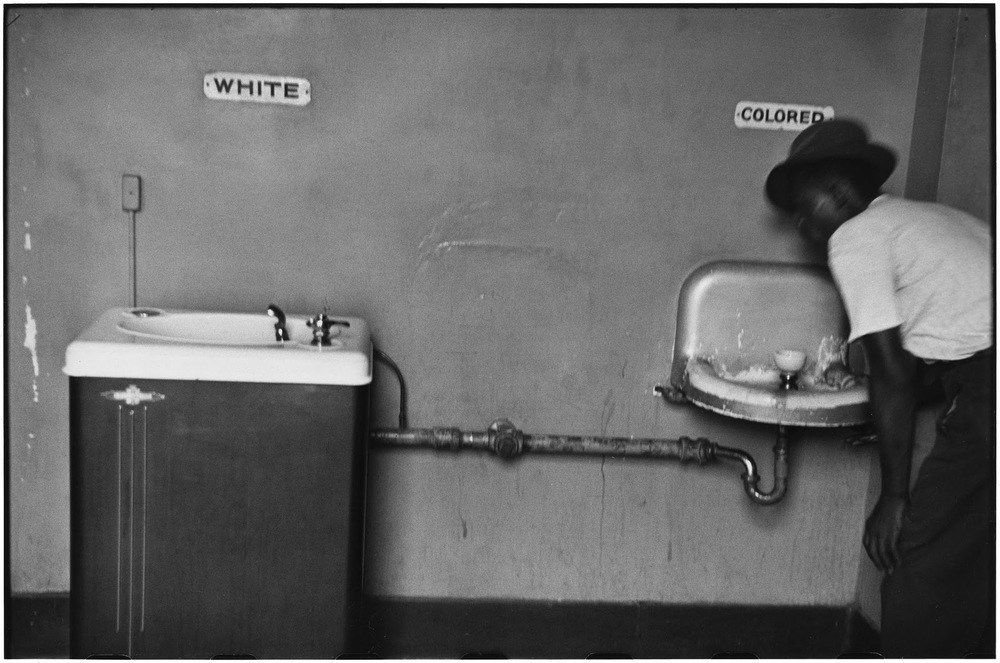
Established “Separate but Equal”, which provided separate public facilities for both whites and blacks as long as they were equal.
District of Columbia v Heller
In Re Gault
Brown v Board of Education
Plessy v Ferguson
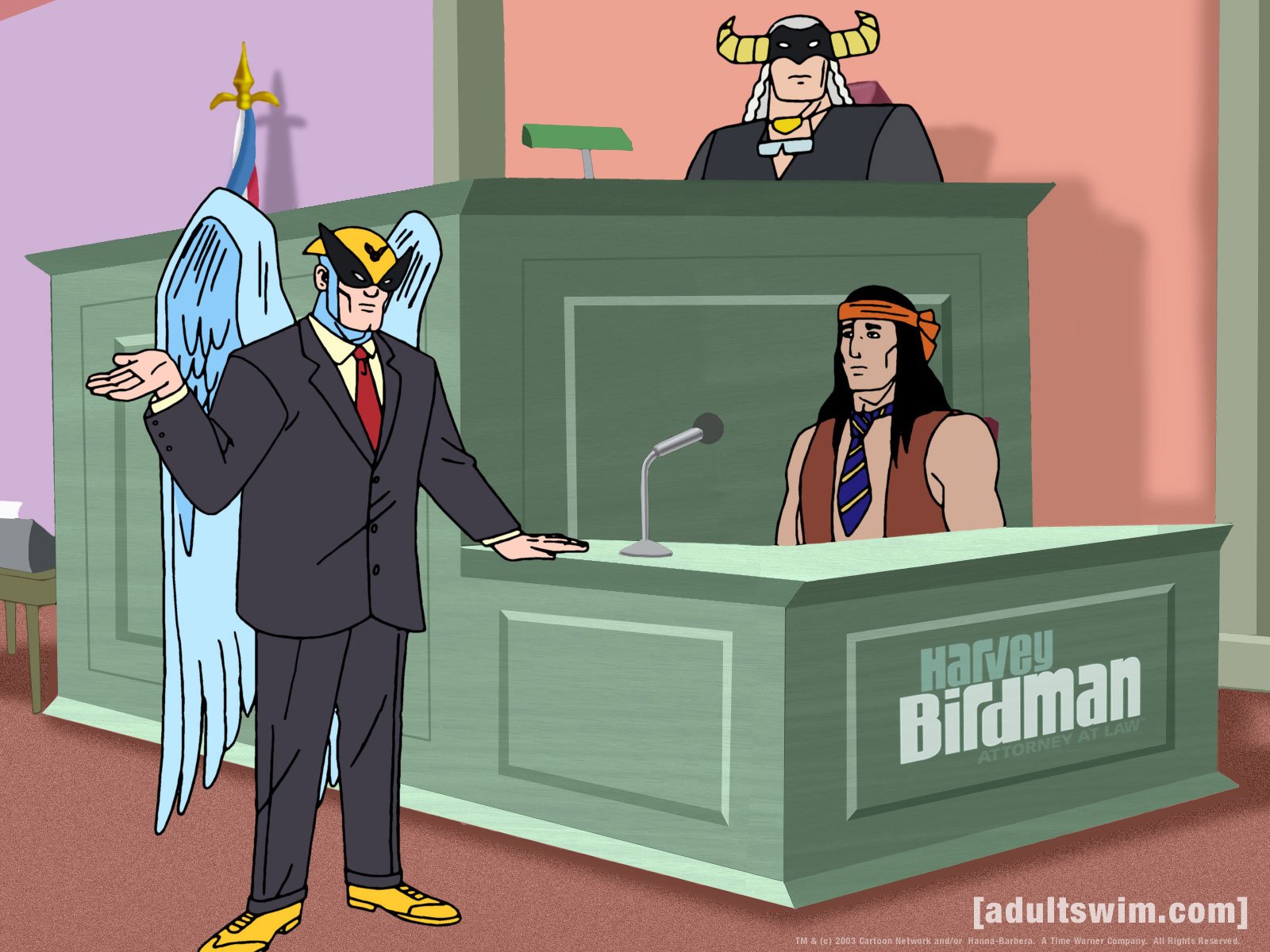
A person accused of a crime no matter how poor has the right to an attorney during trial. Enforces the 6th Amendment.
Tinker v Des Moines
Gideon v Wainwright
Miranda v Arizona
United States v Nixon
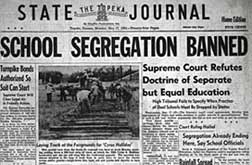
Ruled that “Separate but Equal” was Unconstitutional.
Hazelwood v Kuhlmeier
Marbury v Madison
Plessy v Ferguson
Brown v Board of Education
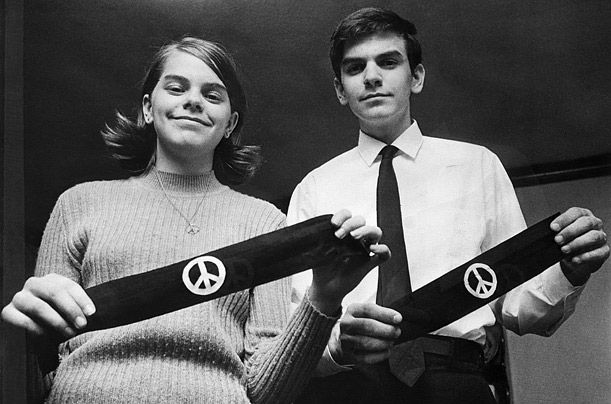
Students have the right to free speech at school as long it doesn’t disrupt school activities. (wearing black armbands in protest)
In Re Gault
District of Columbia v Heller
Hazelwood v Kuhlmeier
Tinker v Des Moines
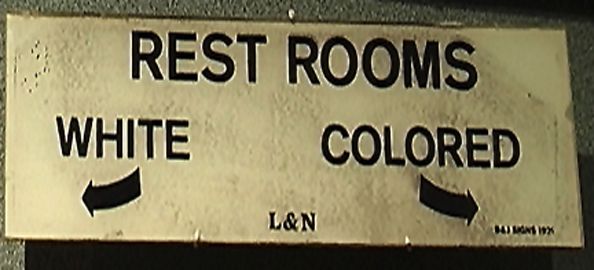
Legal or social separation of races.
Segregation
Lobbying
Boycotting
Allowed for the censorship (blocking) of materials / stories written in school newspapers.
Plessy v Ferguson
Tinker v Des Moines
Marbury v Madison
Hazelwood v Kuhlmeier
Ended Slavery
13th
14th
15th
19th
gave African-American men the right to vote
13th
14th
15th
19th
Women's Suffrage = gave women the right to vote
13th
14th
15th
19th
made all former slaves citizens = equal rights under the law
13th
14th
15th
19th
Do you feel ready and prepared for the US History EOC?
yes
no
somewhat
What was your favorite area of history to study this year?
Where do you see your life 5 years after high school? Then 10 years? What goals and career do you think you would like? What kind of car and house would you like? Family? How much money would you like to have saved? Do you want to own your own business?

