
NEW
Font size
 Worksheets
Classification of Matter and Periodic Table
Total questions: 59
Worksheet time: 34mins
The Tyndall effect can be seen with a __________.
Solution
Suspension
Colloid
Substance
Matter can be divided into two categories: ______ and _______.
Elements and compounds
Mixtures and substances
Substances and plasma
Solutions and colloids
A ____ can be physically separated.
Mixture
Element
Compound
Plasma
Sodium is an example of a(n) ___________.
Element
Compound
Homogeneous Mixture
Heterogenous Mixture
Salt (NaCl) is an example of a(n) ___________.
Element
Compound
Homogeneous Mixture
Heterogenous Mixture
Water (H2O) is an example of a(n) ___________.
Element
Compound
Homogeneous Mixture
Heterogenous Mixture
Tap water is an example of a(n) ___________.
Element
Compound
Homogeneous Mixture
Heterogenous Mixture
Chocolate Ice Cream is an example of a(n) ___________.
Element
Compound
Homogeneous Mixture
Heterogenous Mixture
Chocolate chip cookies are an example of a(n) ___________.
Element
Compound
Homogeneous Mixture
Heterogenous Mixture
Flammability is an example of a(n) ___________.
Physical Property
Chemical Property
Physical Change
Chemical Change
Solubility (ability to dissolve) is an example of a(n) ___________.
Physical Property
Chemical Property
Physical Change
Chemical Change
Heating water until it becomes steam is an example of a(n) ___________.
Physical Property
Chemical Property
Physical Change
Chemical Change
Baking soda reacts with vinegar is an example of a(n) ___________.
Physical Property
Chemical Property
Physical Change
Chemical Change
Sour taste is an example of a(n) ___________.
Physical Property
Chemical Property
Physical Change
Chemical Change
Iron rusting is an example of a(n) ___________.
Physical Property
Chemical Property
Physical Change
Chemical Change
Alcohol evaporating is an example of a(n) ___________.
Physical Property
Chemical Property
Physical Change
Chemical Change
Wood rotting is an example of a(n) ___________.
Physical Property
Chemical Property
Physical Change
Chemical Change
Having no odor is an example of a(n) ___________.
Physical Property
Chemical Property
Physical Change
Chemical Change
Luster (shininess) is an example of a(n) ___________.
Physical Property
Chemical Property
Physical Change
Chemical Change
Reacts with air is an example of a(n) ___________.
Physical Property
Chemical Property
Physical Change
Chemical Change
Blue color is an example of a(n) ___________.
Physical Property
Chemical Property
Physical Change
Chemical Change
Paper towels absorbing water are an example of a(n) ___________.
Physical Property
Chemical Property
Physical Change
Chemical Change
A candle wick burning is an example of a(n) ___________.
Physical Property
Chemical Property
Physical Change
Chemical Change
Wax melting is an example of a(n) ___________.
Physical Property
Chemical Property
Physical Change
Chemical Change
Two substances being combined to produce light is an example of a(n) ___________.
Physical Property
Chemical Property
Physical Change
Chemical Change


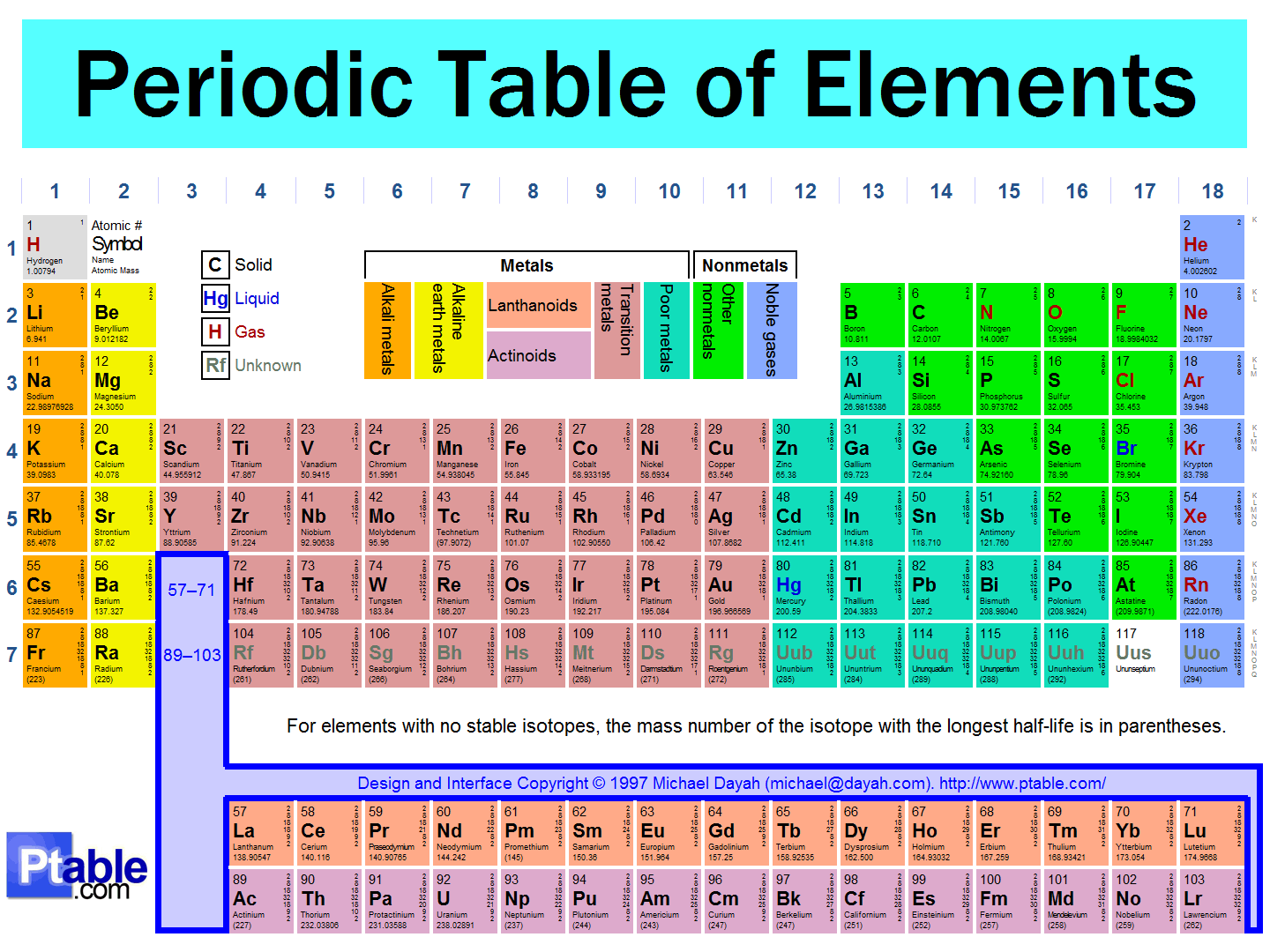
The vertical (up and down) columns in the Periodic Table are called
groups
towers
periods
atomic numbers
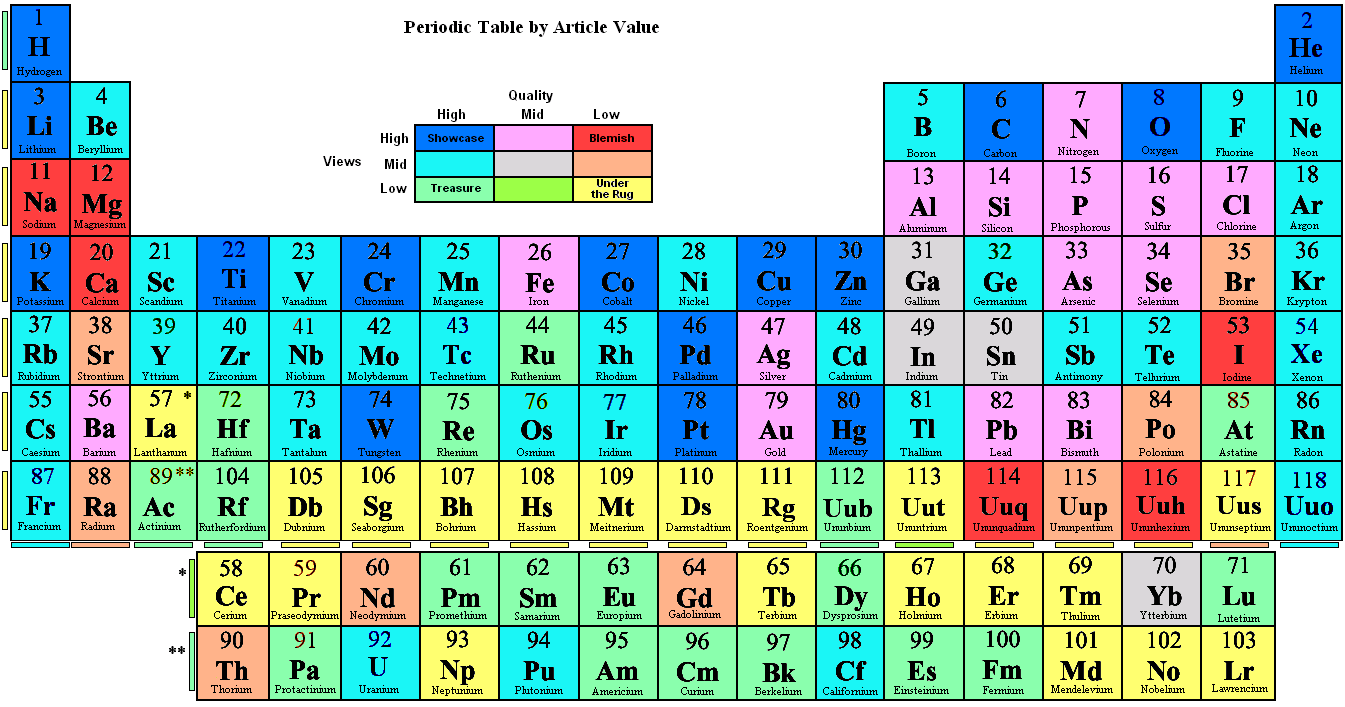
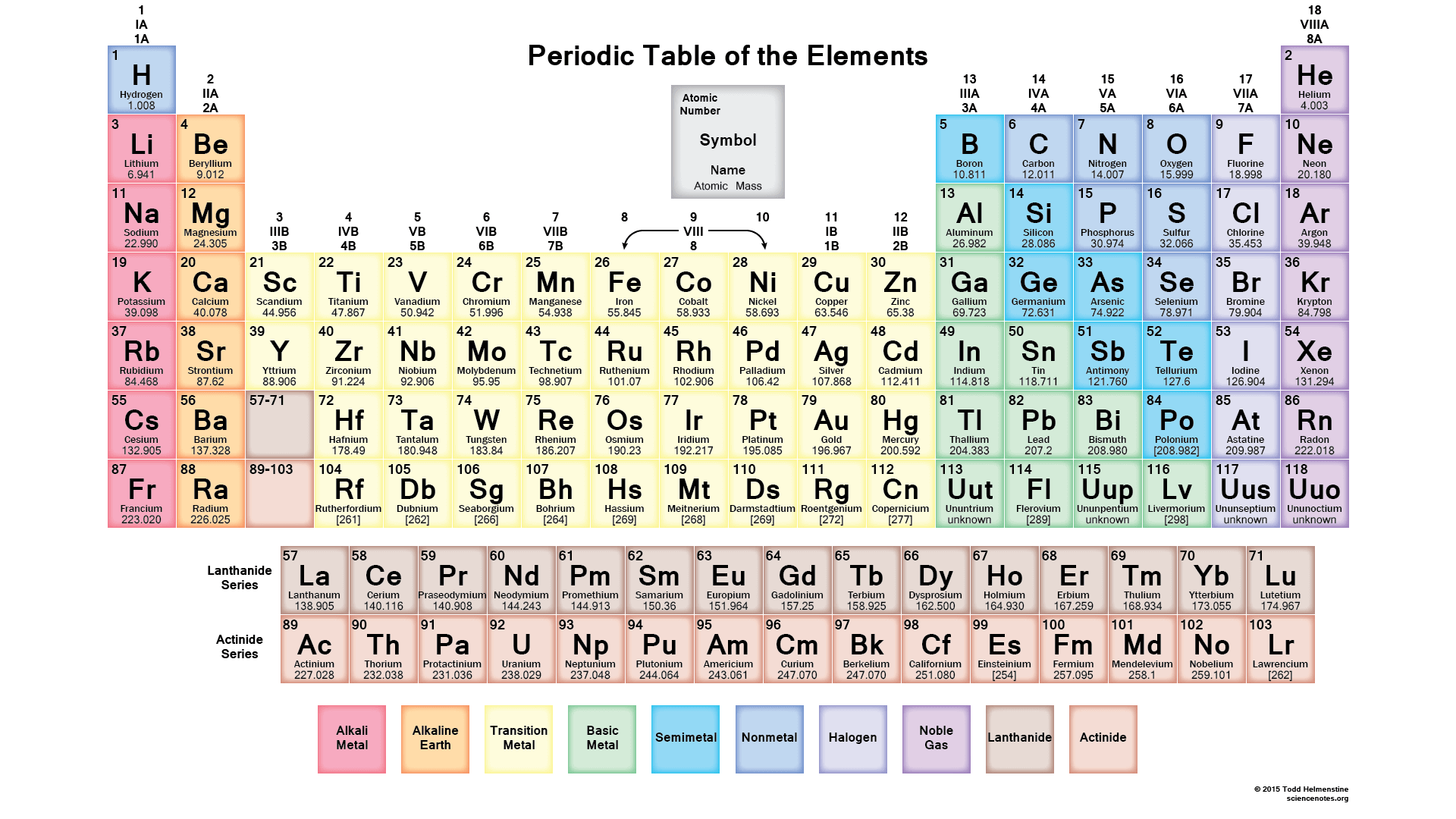
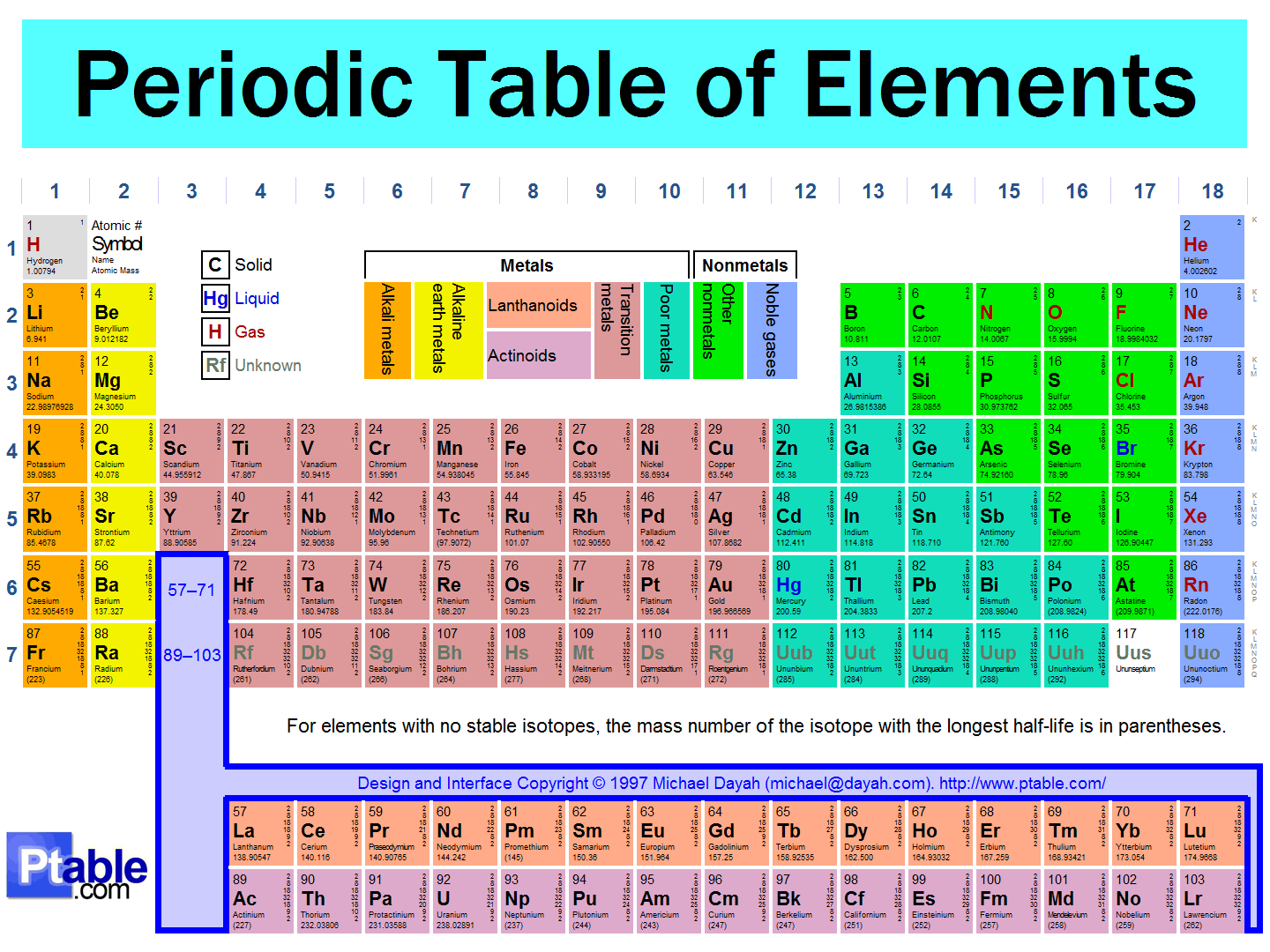
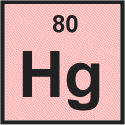
The horizontal (side to side) rows in the Periodic Table are called
groups
families
periods
atomic numbers


Which of the following is something that Alkali Metals are NOT used for?
Psychiatric Medicine
Light Bulbs (Vapor lights - Street Lights)
Atomic Clocks
Fertilizing Lawns and Fruit Trees
Which of these describe alkali metals?
Soft, Brittle and Smelly
Silver, Soft, and Reactive
Dark Grey - Black, Liquid, Heavy
Yellow, Crumbly, Non-Reactive
What is the most common type of element? (By Far)
Halogen
Noble Gas
Metals
Man-Made Elements
What is one of the most common uses of Lathenide elements?
Corrective Lenses
Magnets
Table Salt
Smoke Detectors
To which group does Aluminum belong?
Alkali Metals
Transition Metals
Post-Transition Metals
Metaloids
What industry has only been possible because of the study of metaloids?
Sham-Wow Industry
Flex-Seal Industry
Slap-Chop Industry
Computers (Specifically Microchips)

