wayground logo

Free Printable Worksheets

Font size

S
M
L
XL
Worksheets

Final Exam Coming At You!

Total questions: 52

Worksheet time: 1hrs 8mins

Name
Class
Date
1.

The method of heat transfer coming from the sun is

a)

conduction

b)

convection

c)

radiation

2.

Which image represents a full moon?

a)
b)
c)
3.
The Cell Theory states...
a)
atoms create all matter
b)
living things evolve
c)
the cell is the backbone of all matter
d)
cells are the basic unit of structure and organization of organisms
4.

Which of these are part of the Cell Cycle?

a)

Mitosis

b)

Interphase

c)

Prophase

d)

Metaphase

e)

Cytokines

5.

During what phase of Mitosis do the chromosomes line up in the Middle

a)

Metaphase

b)

Prophase

c)

Telophase

d)

Anaphase

6.
A group of similar cells that come together to perform a specific function is a/an
a)
organ
b)
organism
c)
organ system
d)
tissue
7.
The cell is the building block of all living things.
a)
True
b)
False
8.

Organisms, like bacteria, insects and worms, that break down waste are called ___

a)

carnivore

b)

herbivores

c)

decomposers

9.

What is an example of a decomposer?

a)

a squirrel

b)

a fox

c)

a mushroom

d)

a hawk

10.

Which of the following are reactants of photosynthesis?

a)

CO2 and H2O

b)

O2

c)

H2O and Glucose

d)

None of the above

11.

Which part of a plant anchors the plant to the ground and soaks up water and minerals?

a)

stem

b)

leaves

c)

roots

d)

petals

12.

What is the bottom layer of the an energy pyramid?

a)

producer

b)

tertiary consumer

c)

Secondary consumer

d)

primary consumer

13.

What does an energy pyramid show?

a)

Energy flow in a community

b)

Longest lifespans

c)

The stronger animal the higher it is on the pyramid

14.

herbivores like to eat?

a)

meat

b)

grass

c)

meat and grass

d)

pizza

15.
Cattle egrets forage (feed) in fields among cattle. The egret gets easy access to flying insects stirred up by the cattle, and the cattle don't care if they are there or not.
a)
mutualism
b)
commensalism
c)
competition
d)
parasitism
16.
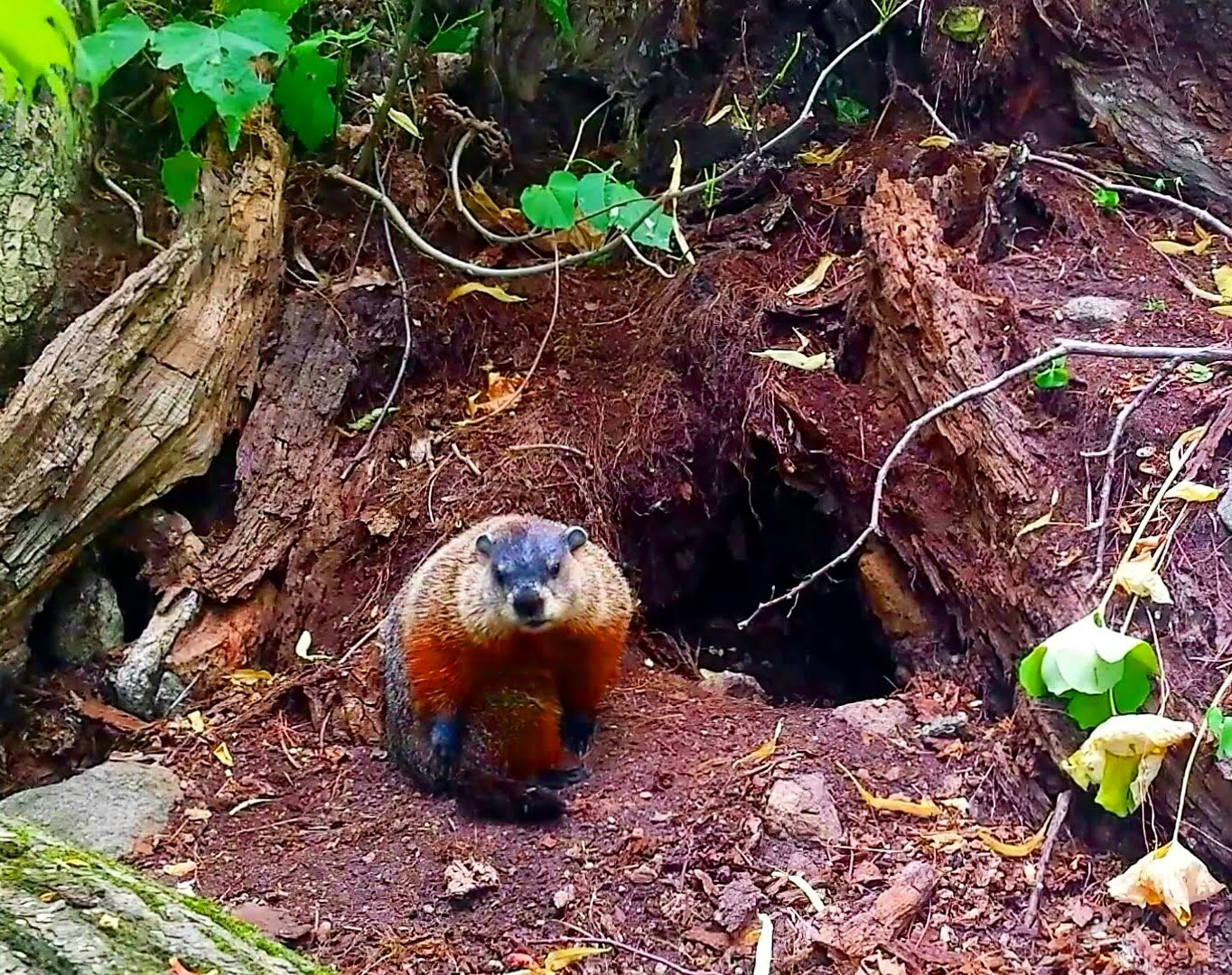
What type of symbiosis?  Skunks often live in burrows that have been dug and abandoned by woodchucks.  
a)
commensalism
b)
mutualism
c)
parasitism
d)
predation
17.
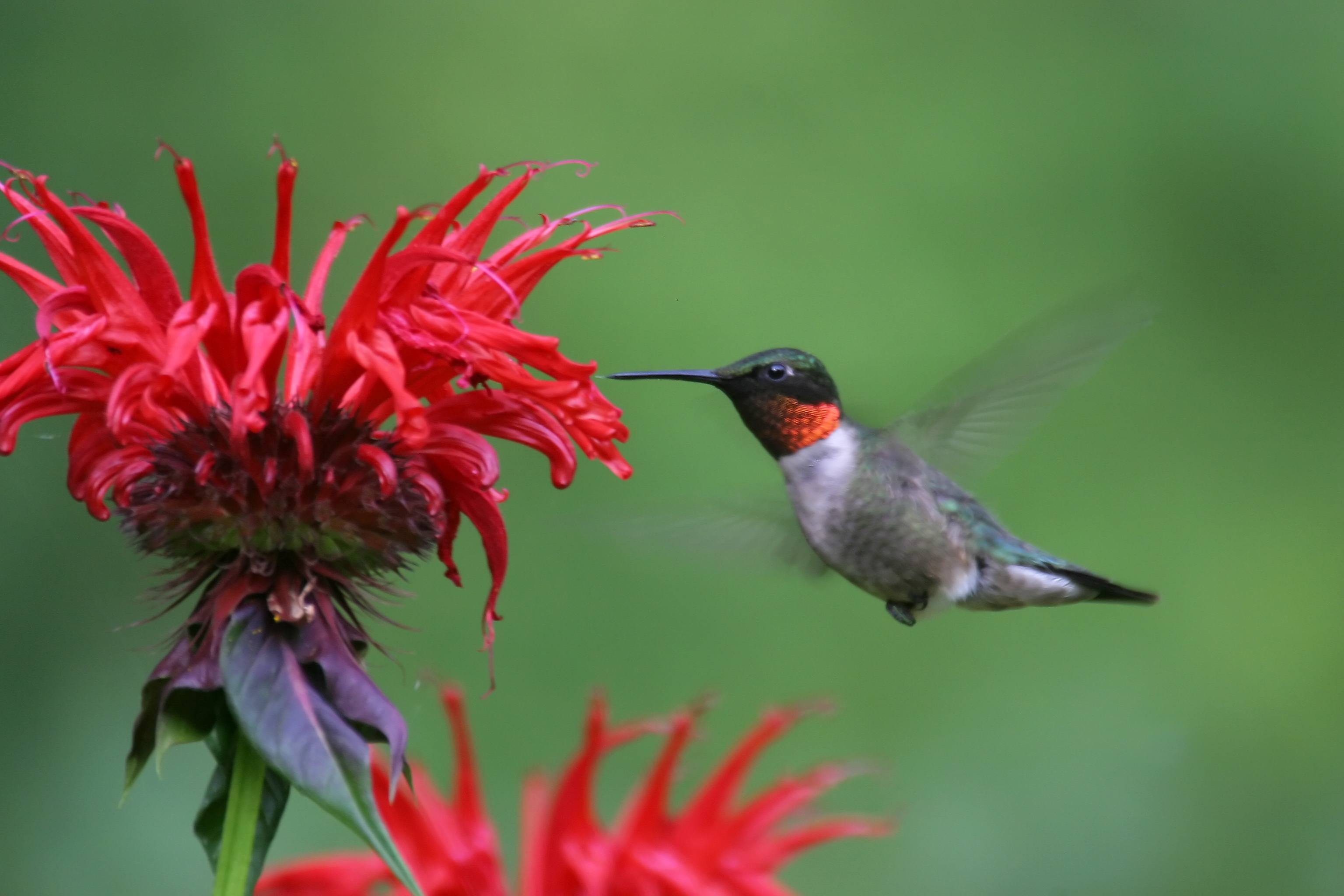
What type of symbiosis?  Hummingbirds feed on nectar from flowers.  The flowers are pollinated by hummingbirds as they move from flower to flower.
a)
commensalism
b)
mutualism
c)
parasitism
d)
predation
18.

Aphids are tiny insects that live on and eat the leaves of plants, removing vital nutrients from the plants.

a)

Predation

b)

Parasitism

c)

Commensalism

d)

Mutualism

19.

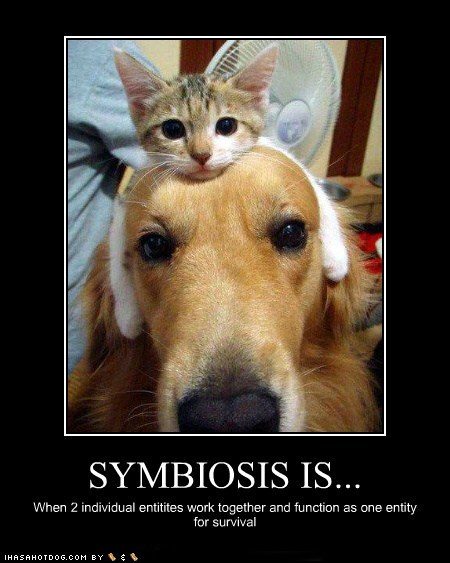
A relationship in which two species live closely together.

a)

resource

b)

mutualism

c)

succession

d)

symbiosis

20.
A frog eats a fly. The frog and fly are demonstrating ________.
a)
mutualism
b)
competition
c)
predator/prey
d)
parasitism
21.
An organism's _________ is defined as the environment in which it lives.
a)
habitat
b)
niche
c)
social structure
d)
ecosystem
22.
Study of interactions between organisms and their environment 
a)
niche
b)
community 
c)
ecology
d)
ecosystem
23.
The traits of an organism are passed to its offspring on small coded strands of DNA material called
a)
meiosis
b)
recessive traits
c)
genes
d)
heredity
24.
Alternative forms of a gene are called
a)
Alleles
b)
Homozygous
c)
DNA
d)
Genetics
25.
The physical appearance of an organism based on traits
a)
Genotype
b)
Phenotype
c)
Meiosis
d)
Genetics
26.
How tall you are is an example of
a)
genotype
b)
phenotype
27.

Define biodiversity

a)

variety of life in Earth's land, freshwater, and marine ecosystems

b)

variety of ecosystems in a given area

c)

the number of different species in a given area and the number of individuals of each species that are present

d)

the variation of genes within a species or population in a given area

28.
What is formed during primary succession that doesn't need to be formed during secondary succession?
a)
pioneer species
b)
soil
c)
climax community
d)
lichens
29.
What type of succession is shown going from figure A to figure B?
a)
primary succession
b)
eutrophication
c)
secondary succession
d)
intermediate
30.

Which experiences the least change over time?

a)

Pioneer Species

b)

Primary Succession

c)

Aquatic Succession

d)

Climax Community

31.

The outermost layer of a plant cell and animal cell is...

a)

Plant cell - cell membrane, animal cell - cell wall

b)

Plant cell - cell wall; animal cell - cell membrane

c)

Plant and animal cell - cell wall

d)

Plant and animal cell - cell membrane

32.
What state of matter consists of tightly packed atoms?
a)
Solid
b)
liquid
c)
gas
d)
plasma
33.
Liquid has a definite ___________, but a variable _____________.
a)
shape, volume
b)
mass, area
c)
smell, taste
d)
volume, shape
34.
What factor describes when populations increase because animals are moving into a population?
a)
Emigration
b)
Limiting Factors
c)
Immigration
d)
Exponential Growth
35.
Which limiting factor would increase due to the number of individuals in a population?
a)
Unusual weather
b)
Natural disaster
c)
Births
d)
Disease
36.

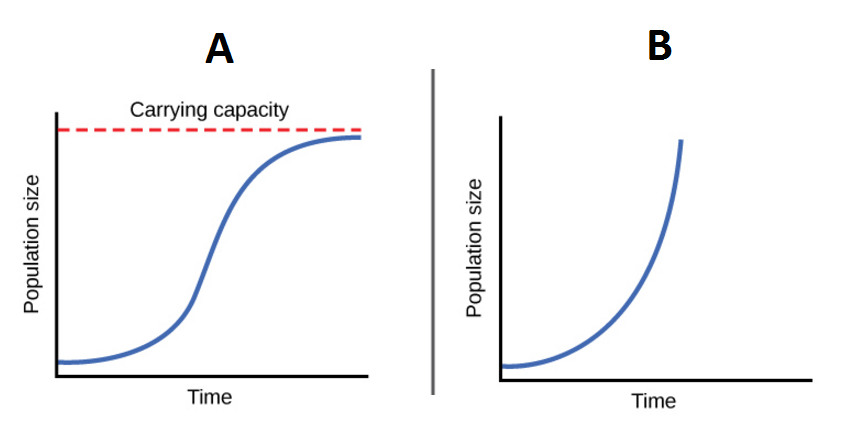
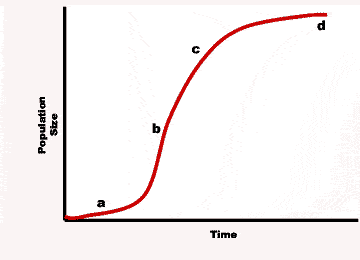
What type of growth model is shown in image A?

a)

Exponential

b)

Logistic

37.

What point on the graph represents carrying capacity?

a)

a

b)

b

c)

c

d)

d

38.

What type of population measurement is it when organisms are captured and marked then captured again?

a)

Estimate by sampling

b)

Count every individual

c)

Mark and Recapture

d)

Population Density.

39.

A mutation is defined as:

a)

A change in the cell's structure

b)

Anything that changes in an embryo

c)

Any change in the physical features of a human

d)

A change in the DNA sequence

40.
The survival of a species depends on its ability to adapt to changes in the environment. Which statement correctly describes a way that mutations increase the likelihood that a species will survive in a changing environment?
a)
Mutations are a source of variation in the species
b)
Mutations are the cause of disease in the species
c)
Mutations are not harmful when they occur in somatic cells
d)
Mutations are always passed on to subsequent generations
41.

What is weight?

a)

It is the measure of how much material an object contains.

b)

It is a measure of the force of gravity pulling down on an object.

42.

What is the law of conservation of mass?

a)

It states that the mass of a whole object is equal to the sum of the masses of its parts.

b)

It states that the mass of a whole object is unequal to the sum of the masses of its parts.

c)

It states that the mass of part of an object is equal to the sum of the masses of its parts.

d)

It states that the mass of part of an object is unequal to the sum of the masses of its parts.

43.
Joseph and Caitlin were choosing the players for their teams. It was Caitlin's turn to choose, and only Jason was left. Caitlin said, "Jason."

We can infer that…
a)
Jason was the best player.
b)
Caitlin wanted Jason on her team.
c)
Jason was not a very good player.
d)
Caitlin had a hard time choosing a team member.
44.
B = brown fur  b = white fur
In the punnett square, what is the probability for white fur? 
a)
0%
b)
25%
c)
50%
d)
75%
45.

In which ways can genetic engineering can improve crops

a)

Make them pest or drought resistant

b)

Make them more nutritious

c)

Make them larger

d)

All answers are correct

46.
When DNA is manipulated and moved from one source to another it is known as
a)
genetic engineering
b)
electrophoresis
c)
gene therapy
d)
GMO
47.

What is the process of combining nitrogen gas with other elements to make nitrogen into usable compounds?

a)

nitrogen composition

b)

nitrogen fixation

c)

ammonia

d)

denitrification

48.

The process in which nitrogen circulates and is recycled is called

a)

The nitrogen cycle

b)

The carbon cycle

c)

The water cycle

d)

The phosphorus cycle

49.

Which layer of soil has low organic material and has clay in the form of aluminum and iron compounds?

a)

Topsoil

b)

Humus

c)

Subsoil

d)

Bedrock

50.

Which layer of soil contains lots of roots and minerals for growing plants?

a)

Topsoil

b)

Humus

c)

Subsoil

d)

Bedrock

51.

Selective breeding is...

a)

a process to create an organism with desired traits from parents with those desired traits

b)

natural method of producing offspring with desired traits

c)

creating a new species

d)

making organisms reproduce during times of stress

52.
the first organisms that appear in an ecological community
a)
ecological succession 
b)
primary succession 
c)
secondary succession
d)
pioneer speciles