
 Worksheets
Unit #3 Energy
Total questions: 36
Worksheet time: 33mins
Which is TRUE about nuclear waste?
we use the waste for making bombs and there is no waste
We have no safe place to dispose of waste
We burn the waste
We dispose of the waste in the ocean

Defined as the form of energy that is stored within bonds between atoms
kinetic
radiant
chemical
thermal
Which alternative fuel can be used passively through direct heat or actively using devices like photovoltaic cells?
geothermal energy
hydroelectric energy
solar energy
wind energy
Nuclear energy uses a process called ____________ where the nucleus is split when hit with neutrons.
Nuclear explosion
Binary fission
Uranium explosion
Nuclear fission
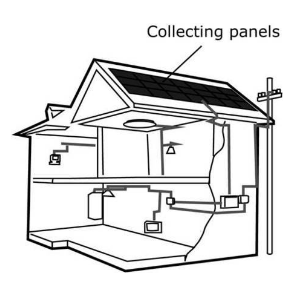
Which alternative energy source does this house use?
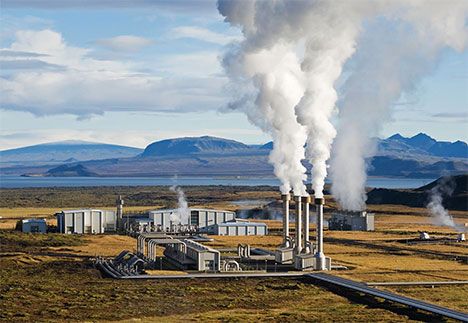
All of the following are considered renewable energy sources EXCEPT –
Wind
Coal
Biomass
Solar


A home is built with clear glass panels that allow sunlight to pass through. This is an example of
Active solar
Passive solar
Parabolic collector
Photovoltaic Cells
Which type of energy produces Carbon Dioxide, which can be harmful to our planet and cause pollution?
Solar Energy
Wind Energy
Fossil Fuels (Coal, oil, and gas)
Nuclear Energy
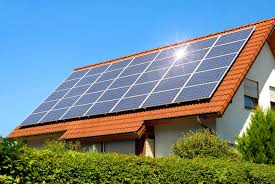
Plant materials or animal waste used as fuel
Coal
Geothermal
Wind
Biomass
Hydropower uses the _______________ of water to produce __________________.
Kinetic energy, electricity
Potential energy, motion
Electricity, kinetic energy
Motion, potential energy
Using vegetable oil extracted from soybeans, sunflowers, used oil from restaurants can be used to form what compound?
Ethanol
Solid biomass
Biodiesel
Bacteria
Hydrogen is a very abundant chemical on Earth. Which of the following is problem with this form of energy?
Fuel cells are cheap
Can reduce pollution emissions
Hydrogen is not typically found alone, but combined in other compounds)
Provides more energy per gram than any other fuel source
In the ___________________ form of hydropower, a structure is built across a river to harness the water's kinetic energy.
Run of the river
Wind turbine
Dam blocks river
Ocean Thermal Energy Conversion
Why do we convert energy in fuels to electricity?
It is an easy process
It is cheaper to do it that way
It produces zero greenhouse gas emissions
Convenience
All fossil fuels have what in common?
Mostly made of hydrogen and sulfur
They contribute to greenhouse gas emissions
Only produced when there is an abundance of oxygen
They are renewable
What happened at Three Mile Island in Pennsylvania in 1979?
A large dam was built
A tsunami led to a nuclear plant exploding
They ran out of oil
A technical problem led to nuclear disaster but no one was hurt
What are the main fossil fuels?
Coal
Oil
Natural Gas
Nuclear Energy
True or False: There is more energy in one pellet of Uranium than there is in 1 barrel of oil
True
False
Which element is used in nuclear power plants for energy?
Carbon
Oxygen
Uranium
Methane
The Hoover Dam uses ________ energy
Hydropower
Solar
Geothermal
Water
a home is fitted with pumps that pipe water to the roof of the home to be heated by the sun. This is an example of
passive solar
active solar
parabolic collector
photovoltaic cell
what is a drawback of using ethanol as a fuel alternative to gasoline?
it is produced from a food item
produces more pollution than gas
nonrenewable and comes from the ground
burns worse than gasoline

during which years would gas prices be increasing?
1980
1990
1995
2000

