Worksheets
CHAPTER 4 PERIODIC TABLE
Total questions: 47
Worksheet time: 24mins
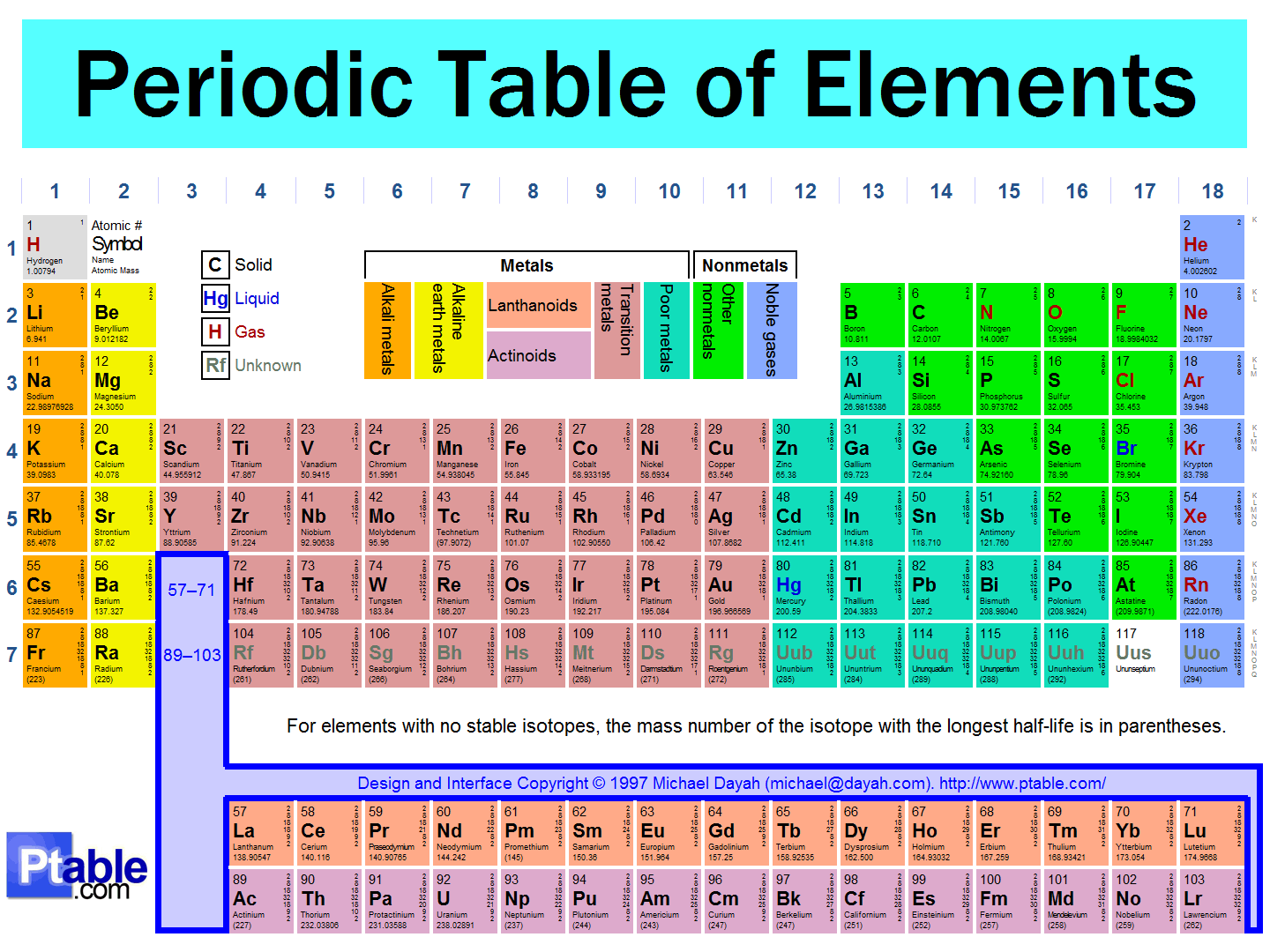
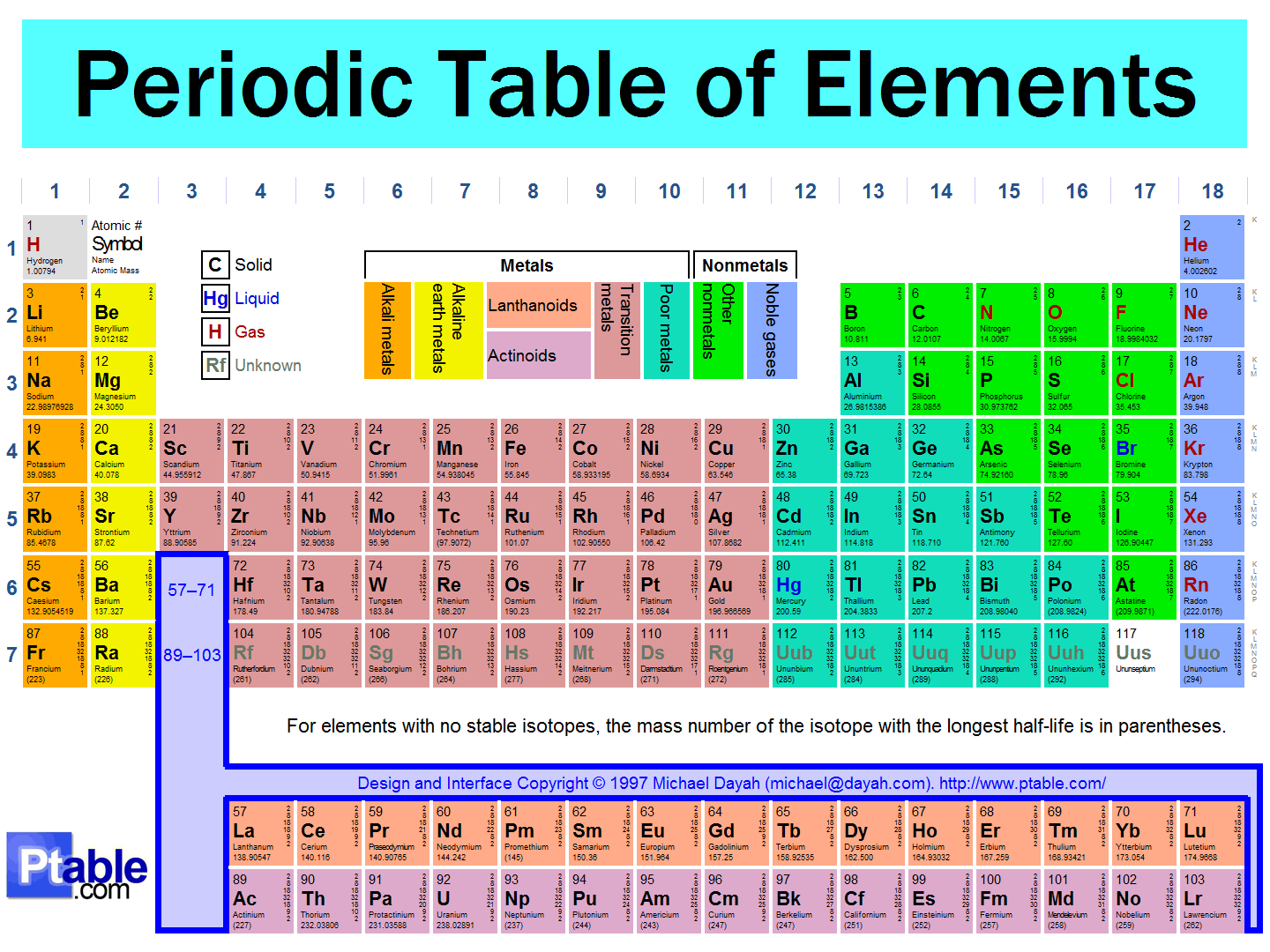
The Alkali Metals are group(s) ___________.
1
2
3-12
17
The Transition Metals are group(s) ______.
1
2
3-12
17
Who created the first periodic table?
Mendel
Mendeleev
Moseley
None of these men did!
Carbon has an atomic number of 6. What is the proton number?
6
8
10
12
Where are metals found on the periodic table?
only in periods 3 and 4
the the right of nonmetals
on the left side of the table
between metalloids and nonmetals
Which of the following statements is true about the Periodic Table of Elements?
There are 18 Groups and 8 Periods in the Periodic Table of Elements
Groups are the horizontal rows of elements
Periods are the vertical columns of elements
Elements that have the same number of valence electrons are arranged in the same group
The following statements refer to the contributions of a scientist in the development of the Periodic Table. Plotted the graph of the atomic volume against the atomic mass the elements. Successful in showing the properties of the elements formed a periodic pattern with their atomic masses.
Who was the scientist?
Lothar Meyer
Henry Moseley
John Newlands
Dmitri Mendelev
The size of atoms in Group 18 get larger down the group. This is caused by
the increase in the number of electrons
the decrease in melting point and boiling point of the elements
the increase in solubility rate in water
the increase in the number of shells filled with electrons
During a chemical reaction, every alkali atom in Group 1
releases one valence electron to achieve duplet or octet electron arrangement
releases two valence electrons to achieve duplet or octet electron arrangement
releases three valence electrons to achieve duplet or octet electron arrangement
releases four valence electrons to achieve duplet or octet electron arrangement
The reactivity of Group 17 elements decrease down the group. This is caused by
the decrease in atomic size down the group
the decrease in boiling point and melting point
the colour of element getting darker down the group
the attractive force of the nucleus on the electron getting weaker
This element has two or more oxidation numbers and forms compounds that have different colour. This element is
metalloid element
amphoteric element
transition element
alkaline earth metal element
Name the element that is used as a catalyst in the Ostwald Process to produce nitric acid.
Nickel
Platinum
Metal
Vanadium(V) oxide

Diagram above shows the electrons arrangement of an atom of Y.Y is not the actual symbol of the element. Which of the following is the position of element Yin the Periodic Table?
Group 2, Period 2
Kumpulan 2, Kala 2
Group 2, Period 3
Kumpulan 2, Kala 3
Group 12, Period 2
Kumpulan 12, Kala 2
Group 12, Period 3
Kumpulan 12, Kala 3
Helium gas is used to fill weather balloons because of its inert property. Which of the following is the
best explanation of the property?
Has low density
Exists as monoatomic gas
Achieved stable electron arrangement
Placed in Group 18 in the Periodic Table
Which of the following is a monoatomic gas?
Oxygen
Fluorine
Helium
Nitrogen
Which statement explains why the reactivity of Group 1 elements increases when going down the group?
The physical state of the elements changes from gas to liquid then to solid at room temperature
The attractive force between valence electron and the nucleus becomes stronger
The valence electron gets further away from the nucleus
The melting points of the elements decrease

Diagram above shows the method used to store an element. Which of the following explains why the method is used?
To avoid from reaction with sunlight
The element is toxic and dangerous
The element is reactive and volatile
To avoid from reaction with oxygen in the air
What are the elements in group 18 (the far right) of the periodic table called?
Alkali metals
Alkaline earth metals
Halogens
Noble gases
What are the elements in group 17 of the periodic table called?
Alkali metals
Alkaline earth metals
Halogens
Noble gases
Which of the following statements is true of the periodic table?
It is based on nucleon number.
The elements are divided into five blocks.
There are eight groups in the periodic table.
There are seven periods in the periodic table.
What is valence electron?
electron in the second electron shell
electron in the outermost electron shell
The atomic number
An electron in the innermost electron shell
Elements in the same period have the same number of
neutrons
valence electrons
electrons
electron shells
What group number are the Halogens?
18
1
2
17
State the Group for atom X if the valence electron is 7
17
16
2
1
The proton numbers of chlorine, potassium and calcium are given below.
C = 6, N = 7, O = 8, F = 9
Which atom will have the largest radius?
C
N
O
F
In the Periodic Table of Elements, R and S are placed in the same group. If the proton number of R is 19, what is the electron arrangement of element S?
2.8.1
2.8.7
2.8.8.2
2.8.8.5
The change in physical properties of the elements across Period 3 from left to right in the Periodic Table of Elements is due to
the increase in proton number
the increase in the radius of atoms
the decrease in electronegativity
the change in physical state from gas to liquid and finally to solid

Which element is a metal?
Unsur yang manakah merupakan suatu logam?
P
Q
R
S
How are the elements arranged in the Periodic Table of Elements?
Bagaimanakah unsur-unsur disusun dalam Jadual Berkala Unsur?
According to nucleon number
Mengikut nombor nukleon
According to proton number
Mengikut nombor proton
According to number of electrons
Mengikut bilangan elektron
According to number of neutrons
Mengikut bilangan neutron

Which of the following elements is element Y?
Antara unsur berikut, yang manakah unsur Y?
Iron/ Ferum
Chlorine / Klorin
Potassium / Kalium
Zinc / Zink
Atom P is in Period 3 and has one valence electron. Which of the following chemical equations is the correct reaction between element P and oxygen gas?
Atom P berada dalam Kala 3 dan mempunyai satu elektron valens. Antara persamaan berikut, yang manakah tindak balas yang betul antara unsur P dengan gas oksigen?
P2+ O2 →2PO
4P+ O2 → 2P2O
2P2+ O2 → 2P2O
4P+ 3O2 → 2P2O3
Element Z is located in the same group as bromine in the Periodic Table of Elements Which of the following is correct about Z?
Unsur Z terletak dalam kumpulan yang sama dengan bromin dalam Jadual Berkala Unsur. Antara yang berikut, yang manakah betul tentang Z?
Forms z+ ion
Membentuk ion z+ ion
Forms basic oxide
Membentuk oksida bes
Exists as monoatomic
Wujud sebagai monoatom
Has seven valence electrons
Mempunyai tujuh elektron valens
The boiling point of chlorine is lower than bromine. Why?
Takat didih klorin adalah lebih rendah daripada bromin. Kenapa?
The atomic size of chlorine is smaller.
Saiz atom klorin adalah lebih kecil
The number of electrons in chlorine is lesser.
Bilangan elektron dalam klorin adalah lebih sedikit
The covalent bond between chlorine atoms is weaker.
Ikatan kovalen antara atom klorin adalah lebih lemah
The force of attraction between chlorine molecules is weaker. Daya tarikan antara molekul klorin adalah lebih lemah

Diagram shows a flow chart for the reaction of the oxide of an element in Period 3 of the Periodic Table. What is X?
Rajah menunjukkan carta alir bagi tindak balas oksida suatu unsur dalam Kala 3 Jadual Berkala. Apakah X?
Sodium
Natrium
Sulphur
Sulfur
Magnesium
Magnesium
Aluminium
Aluminium

Based on Diagram, which is the transition element?Berdasarkan Rajah, yang manakah unsur peralihan?
K
L
M
N
Element W is located at the same group as copper in the Periodic Table of Elements. Which of the following are the characteristics of W?
Unsur W terletak dalam kumpulan yang sama dengan kuprum dalam Jadual Berkala Unsur. Antara yang berikut, yang manakah ciri-ciri bagi W?
Low melting point
Takat lebur yang rendah
Poor heat conductor
Konduktor haba yang lemah
Acts as a catalyst
Bertindak sebagai mangkin
Forms coloured compound
Membentuk sebatian benvarna

A
B
C
D
Which of the following statements about the properties of oxides of Period 3 is true?
The acidic properties of the oxides increases across the period.
The amphoteric properties of the oxides increases across the period.
The basic properties of the oxides increases across the period.
The neutral properties of the oxides increases across the period.
Which of the following is an amphoteric oxide?
aluminium oxide
silicon dioxide
sodium oxide
sulphur dioxide
Which of the following statements about amphoteric oxides is true?
They react only with acids.
They react only with bases.
They react with both acids and bases.
They do not react with either acids or bases.

Rajah menunjukkan susunan elektron ion X2+. Apakah susunan elektron atom X?
Diagram shows the electron arrangement for the X2+ ion. What is the electron arrangement of atom X?
2.5
2.8
2.8.2
2.8.8