
Font size
 Worksheets
Adv. Biology Final
Total questions: 95
Worksheet time: 58mins

The part of the skull that encloses the brain and is composed of multiple smaller bones
cranium
humerous
mandible
femur

The largest bone in the arm and the only bone in the upper arm.
phalanges
humerous
fibula
cranium

The large wedge shaped vertebra at the inferior end of the spine.
vertebrae
sacrum
femur
tibia

The lateral and larger of the two bones of the forearm.
ulna
radius
femur
scapula

The eight small bones that make up the wrist.
phalanges
carpals
tarsals
fingers

Group of bones in the human hand, between the wrist and the finger bones
phalanges
tarsals
fingers
metacarpals

The finger bones
phalanges
femurs
carpals
mandibles

The bones of the toes
phalanges
tarsals
metatarsals
carpals

A cluster of seven articulating bones in each foot
craniums
tarsals
carpals
phalanges

The long bones in the foot between the toes and tarsals.
carpals
metatarsals
phalanges
vertebrae

What bone of the arm is this (pinky side)??
radius
femur
ulna
tibia

Your breast bone
ribs
sacrum
clavicle
sternum

Elongated, slender, curved bone lying horizontally at the
root of the neck
clavicle
sacrum
vertebrae
scapula

Commonly referred to as the shoulder blade. It connects the humerus bone of the arm to the collarbone
scapula
metatarsal
sternum
scarum

Strongest and lowest bone in the human face
cranium
humerous
mandible
zygomatic

The longest and the strongest bone in the human body, extending from the hip to the knee.
fibula
tibia
femur
radius

The shin bone, the stronger of the two long bones in the lower leg.
tibia
radius
fibula
ulna

The lateral and smaller of the two bones of the lower leg
fibula
tibia
radius
ulna

Commonly known as the kneecap
tibia
mandible
patella
maxilla


Identify the highlighted part of this bone
Iliac crest
Pubis
Ilium
ischium

Identify the highlighted part of this bone
Iliac crest
Pubis
Ilium
Ischium

What bone of the pelvic girdle is colored pink (#3)?
ilium
ischium
pubis
sacrum
coccyx
What bone of the pelvic girdle is colored blue (#4)?
ilium
ischium
pubis
sacrum
coccyx

Which pelvis in the illustration is the male pelvis?
Pelvis A
Pelvis B

Thoracic
Sacrum,
Coccygeal

What's the name of this muscle?
Pectoral
Deltoid
Bicep
Abdominal

What's the name of this muscle?
Tricep
Hamstring
Latissimus Dorsi
Trapezius

What's the name of this muscle?
Tricep
Pectoral
Glutes
Quadricep

What's the name of this muscle?
Quadricep
Abdominal
Gastrocnemius
Pectoral

What's the name of this muscle?
Pectoral
Gastrocnemius
Tricep
Trapezius

What muscle do you sit on and is highlighted in red?
Gluteus Maximus
Hamstring
Gastrocnemius
Deltoid

Name the highlighted muscle
rectus abdominals
transverse abdominals
external obliques
internal obliques


name the muscle
Vastus Medialis
Vastus Intermedius
Rectus Femoris
Vastus Lateralis

name the muscle
Vastus Medialis
Vastus Intermedius
Rectus Femoris
Vastus Lateralis

Identify the muscle
Rectus femoris
Biceps brachii
Biceps femoris
Vastus medialis
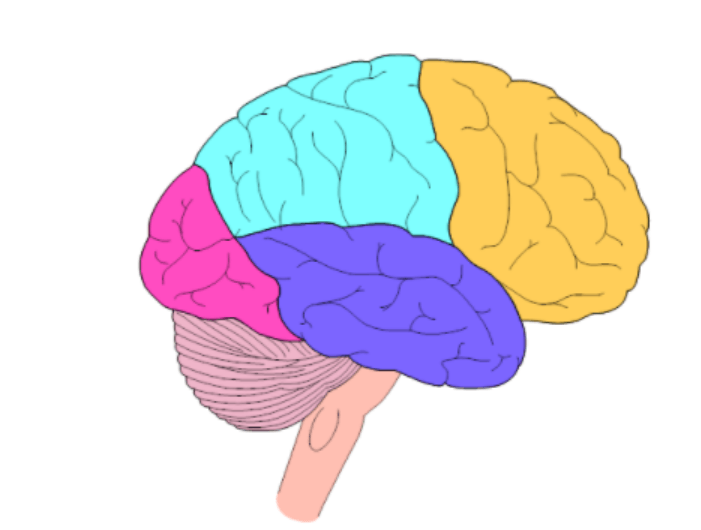
What lobe is orange in this picture?
Frontal
Parietal
Temporal
Occipital
What lobe is bright pink in this picture?
Frontal
Parietal
Temporal
Occipital
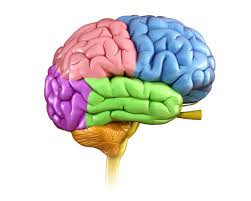
What lobe is green in this picture?
Frontal
Parietal
Temporal
Occipital
What lobe is pink in this picture?
Frontal
Parietal
Temporal
Occipital
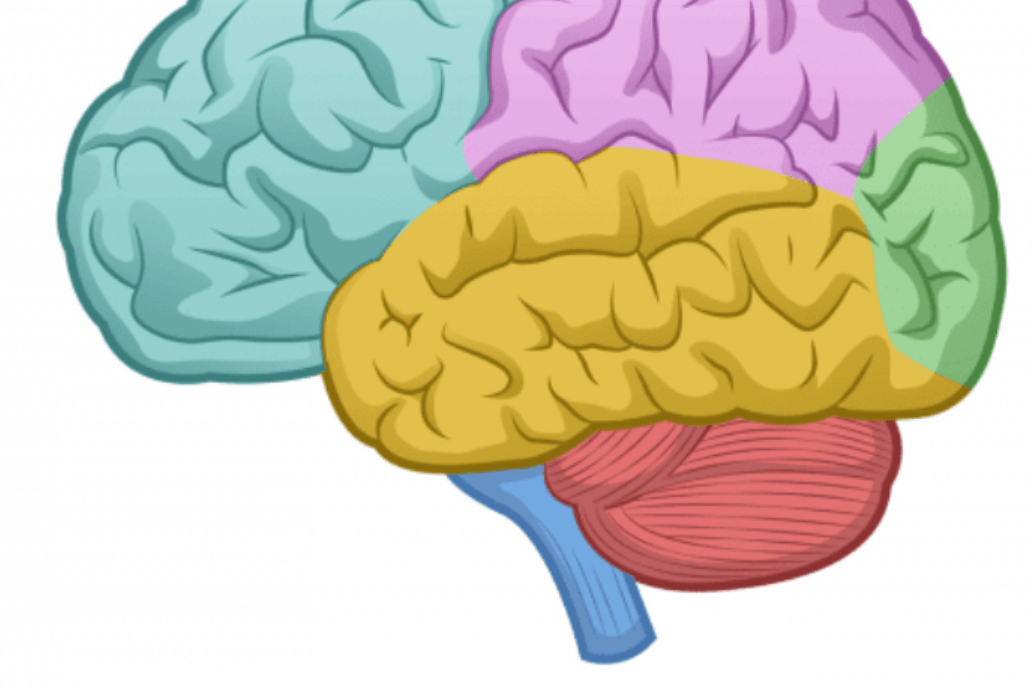
What structure is blue in this picture?
Cerebrum
Cerebellum
Brain Stem
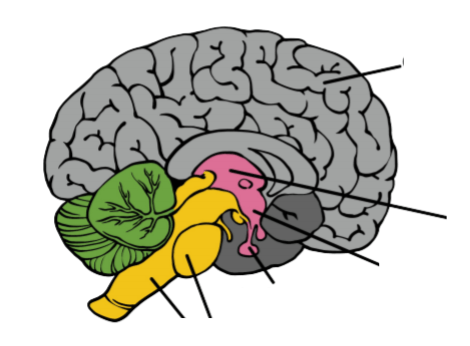
What structure is grey in this picture?
Cerebrum
Cerebellum
Brain Stem

What does the blue lobe do?
Processes your hearing
Processes your vision
Contains your personality
Processes your sense of touch
What does the green lobe do?
Processes your hearing
Processes your vision
Contains your personality
Processes your sense of touch
What does the pink lobe do?
Processes your hearing
Processes your vision
Contains your personality
Processes your sense of touch

Which part of the brain controls your blood pressure and heart rate?
brain stem
occipital lobe
cerebellum
frontal lobe

Which part of the brain controls your balance and coordination?
brain stem
occipital lobe
cerebellum
frontal lobe
What part of the brain connects the Right and Left hemispheres?
Corpus Callosum
Frontal Lobe
Temporal Lobe
Cerebrum
What lobe is responsible for sensing touch, language and memory?
Temporal Lobe
Frontal Lobe
Occipital Lobe
Parietal Lobe

optic chiasma
pineal gland
pituitary gland
olfactory bulb

pineal gland
hypothalamus
thalamus
pons
A clear fluid that helps the cornea keep its rounded shape
aqueous humor
blind spot
cones
cornea
The place where all nerves from the retina join to form the optic nerve. Each eye has a _____ _____ where there are no light-sensitive cells
aqueous humor
blind spot
cones
cornea
A muscle that controls how much light enters the eye. It is suspended between the cornea and the lens. Human ________ come in many colors, including brown, blue, green, and gray.
iris
lens
myelin
optic nerve
One kind of light-sensitive cell in the retina. ________ respond in dim light.
pupil
retina
rods
sclera
The thick, tough, white outer covering of the eyeball.
pupil
retina
rods
sclera
The colorful, shiny material located behind the retina. Found in animals with good night vision, the ________ reflects light back through the retina.
tapetum
vitreous humor
The thick clear jelly that helps give the eyeball its shape
tapetum
vitreous humor

Identify the chamber labeled #1
right atrium
left atrium
left ventricle
right ventricle

The structure labeled #4 is
septum
apex
left ventricle
papillary muscle

The structure labeled #6 is
left auricle
right auricle
left ventricle
adipose tissue
If you inserted a probe into the aorta, which chamber of the heart would it lead to?
left ventricle
right ventricle
left atrium
right atrium
If you were to insert your finger into the superior vena cava, you would be feeling inside which chamber?
right atrium
left atrium
left ventricle
right ventricle
The pulmonary artery connects to which heart chamber?
right ventricle
left ventricle
right atrium
left atrium
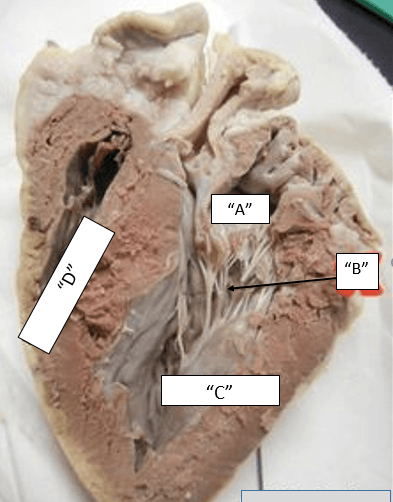
Identify "B" in this diagram.
chordae tendinae
interventricular septum
right ventricle
right atria
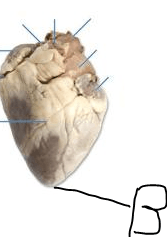
Identify this pointy part of the sheep heart.
apex
interventricular sulcus
auricle
base

Name the 4 valves in the correct order that the blood will flow through from the vena cava to the aorta.
aortic semilunar valve, bicuspid (mitral) valve, pulmonary semilunar valve, tricuspid valve
tricuspid valve, bicuspid (mitral) valve, aortic semilunar valve, pulmonary semilunar valve
tricuspid valve, pulmonary semilunar valve, bicuspid (mitral) valve, aortic semilunar valve
bicuspid valve, tricuspid (mitral) valve, aortic semilunar valve, pulmonary semilunar valve

Muscle # 7 is the...
tricep brachii long head
spinotrapezius
latissimus dorsi
levator scapulae ventralis

#9
latissimus dorsi
trapezius
triceps
biceps

#6
triceps
acromiotrapezius
clavotrapezius
latissimus dorsi

#15
external oblique
pectoralis major
pectoralis minor
pectoantebrachialis

To which muscle is #2 pointing?
Pectoantebrachialis
Pectoralis major
Pectoralis minor
Clavotrapezius
To which muscle is #4 pointing?
Pectoantebrachialis
Pectoralis major
Pectoralis minor
Clavotrapezius
To which muscle is #3 pointing?
Pectoantebrachialis
Pectoralis major
Pectoralis minor
Xiphihumeralis

To which muscle is #2 pointing?
Rectus abdominus
External oblique

To which muscle is #3 pointing?
Clavotrapezius
Acromiotrapezius
Spinotrapezius
Spinodeltoid



