
 Worksheets
MP4 4 Weeks Test Review
Total questions: 93
Worksheet time: 2hrs 10mins
The ` (a) ` attract pollinators. Pollen is deposited on the ` (b) `. The pollen grain grows through pollen tube and fuses with the ` (c) ` .
Match the part of a flower to its function

egg production and embryo development

production of pollen

attraction of pollinators
Match the function of the plant system to a body system with the similar function.
Plants exchange carbon dioxide and oxygen through the stomata,
Respiratory System
Plants can reproduce sexually or asexually.
Reproductive System
The xylem of plants transports water and minerals to different areas fo the plant.
Circulatory System
Plants produce hormones that affect growth and development.
Endocrine System
Provides structure for the plant to hold leaves and branches upright.
Skeletal System

Plants curling around a pole or mailbox is an example of:
Phototropism
Germination
Turgor pressure
Thigmotropism

When plants grow in towards the light, this is called:
Phototropism
Geotropism
Germination
Thigmotropism


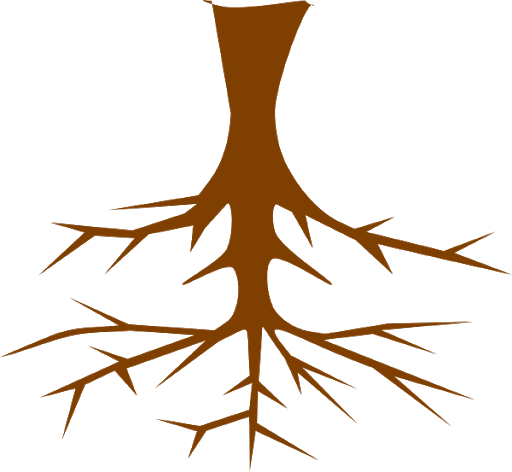
The roots in this plant are exhibiting (showing)
Hydrotropism & Geotropism
Photoropism
Only geotropism
Thigmotropism & Phototropism
What does Negative Tropism mean?
Not growing at all
Growth toward the stimulus
Growth away from the stimulus
What does Positive Tropism mean?
Not growing at all
Growth toward the stimulus
Growth away from the stimulus
All of the following are characteristics of plants except: (a)
Which of the following is not a function of the roots? (a)
These structures are surrounded by guard cells that allow carbon dioxide to enter and oxygen & water to leave. (a)

Which part of a plant is this? (a)
True or False: All plants produce flowers. (a)

Which part is this? (a)

What is this? (a)
The part of the plant that absorbs water is (a) .
What do the leaves of a plant do?
They make the food for the plant.
They take in the water from the ground.
They transport water to the other parts of the plants
They support the plant upright.
What do plants need?

Which part of the plant supports the leaves?

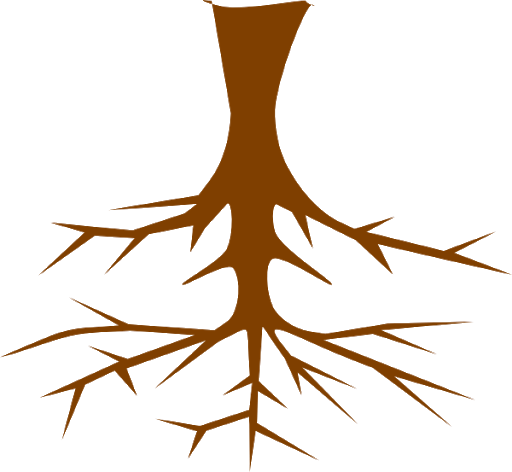


Which part of the plant absorbs water and nutrients?




which part of the plant holds it upright and makes it towards the light?
leaves
flowers
stem
Which conducting tissue transports and helps circulate water and dissolved minerals from the roots to the leaves of a plant? (a)
Plants are (a) which means they make their own food.
What chemical is located in the chloroplast of plants that gives them the green pigment? (a)
The waxy waterproof layer on the leaves and some stems of plants is called the _________________.
root
stomata
petal
cuticle
The vascular tissues of the plant are the ____________ which brings water up from the roots to the
rest of the plant and the _______________ which transports water and sugars up and down the plant.
(a)
What does germinate mean? (a)
What do plants get from the soil?
sunlight
water
carbon dioxide
glucose
Which is a producer? (a)

What is this called? (a)

An animal that eats other animals is a (a)
In a food web, arrows point at: (a)

A community of living and nonliving things in their natural environment makes up a (a)

If the grasshopper were to be removed completely from the food web, what organism would be most effected? (a)
All energy on Earth ultimately comes from what source? (a)

Click on the imgae to make it larger-- Choose the herbivores in the food web....
hawk
mouse
rabbit
snake

Click on the image to make it larger-- Choose the living things that are producers...
wildflowers
rabbit
snake
grass

Click on the image to make it larger-- Choose all that apply: The hawk gets energy from...
mouse
rabbit
wildflowers
snake
Which food chain is in the correct order? (a)
Which term means an organism that can make its own food? (a)
Which term means an organism that has to consume other organisms to gain nutrients and energy? (a)
An organism that eats small bits of broken-down matter from organisms that were once alive is called a (a) .

What is an individual?
One individual member of a species
a group of individuals of a species
all the different populations of a species that live in an area together
a community of organisms and their physical environment

What is a population?
One individual member of a species
a group of individuals that belong to the same species and live in the same area
all the different populations of species that live together in an area
a community of species and the physical environment

What is a community?
One individual of a species
a group of individuals living together in an area
all the different populations living together in an area
different communities and their physical environment

What is an ecosystem?
One individual of a species
a group of individuals of a species that live in the same area
all the different species in an area
all the communities in an area and the physical environment

What is a biome?
one individual of a species
all the different populations of species that live together in an area
all the biological communities and their physical environment
a group of similar ecosystems that share similar climates and animales

What is a biome?
A group of individuals that belong to the same species and live in the same area
A biological community of interacting organisms and their physical environment
part of Earth in which life exists including land, water, and air or atmosphere
A group of ecosystems that share similar climates and animals
All food webs and food chains begin with (a) .

In this energy pyramid, which organisms have the most energy available? (a)

In an ecological pyramid, which type of organism always has the least amount of energy available? (a)

How much of the energy in each level of a ecological pyramid gets lost as heat or used by the organism so that it cannot be passed on to the next trophic level? (a)

The diagram represents a pyramid of energy in an ecosystem. Which level would most likely contain organisms that do photosynthesis? (a)
The number of organisms (a) with each successive (higher) trophic level.

If there are 100 Kcal of energy available in the producers, how much energy would be available in the herbivores? (a)
What does Primary Succession start with ?
Soil
Small grasses and shrubs
Rock
Climax Community
Which of these disturbances causes Primary Succession
Flash Flood
Windy day
Minor human construction
Volcanic eruption
Which of these occurs first in Primary Succession
Animals arrive
Climax Community
lichens and mosses
Large trees
Which of these does a wildfire start
Primary Succession
Secondary Succession
A drought
Climax Community

Starts with BARE ROCK followed by lichens and mosses.
primary succession
secondary succession
both types of succession
What is ecological succession?
Competition between plants in a society
A natural disaster such as a flood or fire
The cycle of a tomato plant
The change an ecosystem experiences over time

Which of the following is true in a climax community?
The community will constantly evolve and change.
If one species dies, a new species will fulfill the same role.
They are stable for a long time, with the same species maintaining their population.

The first organisms that appear in an ecological community are called
climax community
primary succession
secondary succession
pioneer species


After a volcanic eruption, lava covers the land. What is the order that plants grow to repopulate the area?
Lichens → Shrubs → Grasses → Trees
Lichens → tree → shrubs→Grasses
Grasses → Lichens → Shrubs → Trees
Lichens → Grasses → Shrubs → Trees


Which of the following are found in the rich soil made from composting and are very important for plants and life in general?
carbon and ntrogen
sulfur and carbon
water and carbon dioxide
oxygen and nitrgoen
What is carbon found in? Check all that apply.
proteins
carbohydrates
lipids
nucleic acids
What takes in carbon dioxide from the atmosphere?
fungi
people
animals
photoynthetic organisms (plants, algae)
How does an animal get carbon? Select all that apply.
It eats another animal that ate a plant.
It eats a plant or other photosynthetic organsim
It takes in carbon dioxide from the atmosphere when it breathes.
How does carbon dioxide get back into the atmosphere?
It is released by plants and animals in the process of cellular respiration.
It is released by plants in the process of photosynthesis.
It is released by solid waste excreted by animals.
After a long, long time, the carbon from the remains of dead organisms can be stored in:
fossil fuels
rocks
water
What biomolecules contain nitrogen? Select all that apply.
Proteins
Nucleic Acids
Carbohydrates
Lipids
What type of organism is responsible for fixing nitrogen?
Animals
Fungi
Bacteria
Plants
Where are these nitrogen fixing organism found? Select all that apply.
In the soil or in the roots of plants
In the digestive tract of animals
In the leaves of plants
What do the nitrogen-fixing bacteria in the soil/roots of plants convert the nitrogen gas to? Select all that apply.
Ntrite and nitrate
Ammonium and Ammonia
What type of bacteria convert the ammonia and ammonium into nitrates and nitrites
Nitrifying bacteria
photosynthesic bacteria
nitrogen-fixating bacteria
How do animals get nitrogen?
They breathe in nitrogen gas.
They have bateria in their gut to fix he nitrogen.
They eat plants.
What is found in fertilizer for plants?
oxygen
carbon
nitrogen

